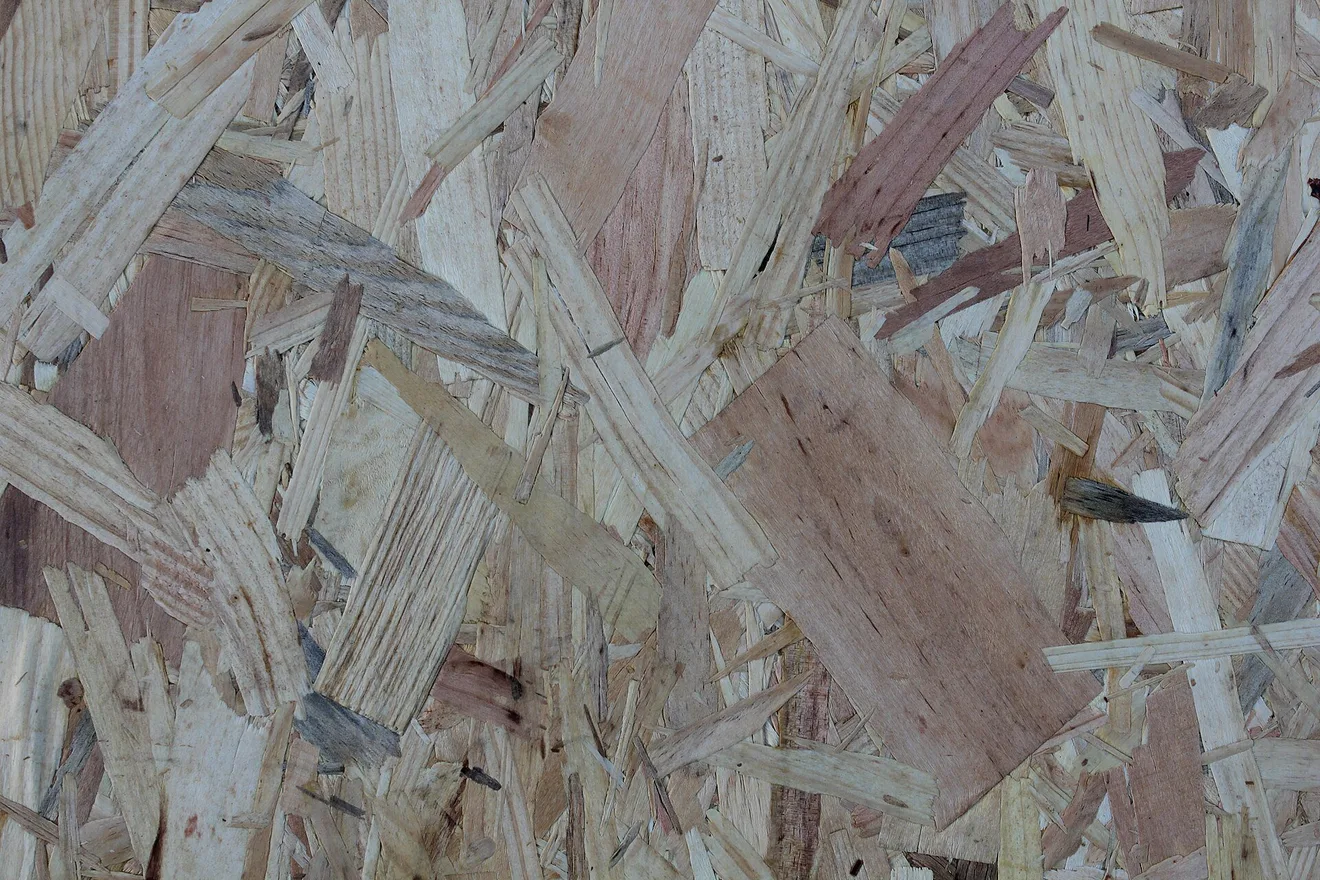
One of North America's biggest lumber and panel makers is taking more capacity offline. West Fraser said it will indefinitely curtail its Huguley OSB mill in Lanett, Alabama, and its Leola southern yellow pine sawmill in Arkansas during the fourth quarter, after what it called orderly wind-downs (via West Fraser).
Together the two mills account for about 500 million square feet of OSB (3/8-inch basis) and 225 million board feet of SYP lumber a year. The company blamed continued weak demand for wood products used in both new home construction and repair and remodeling. CEO Sean McLaren said there's "no near-term visibility on an improvement in demand," and that "housing affordability continued to be a key constraint for wood products demand, which remains soft." West Fraser didn't say how many workers are affected.
This isn't the company's first cut this year. Last December, West Fraser announced it would indefinitely curtail its OSB mill in High Level, Alberta, starting in spring 2026, taking out about 860 million square feet of capacity and affecting about 190 employees. It also said an idled line at its Cordele, Georgia, OSB plant would stay down.
The cost side is where contractors may notice it. West Fraser said rising diesel prices have added roughly $15 per thousand board feet to its SPF and SYP lumber costs since the start of the year, on top of higher logging and trucking costs and a shortage of transportation labor, especially in the South. The company said it has passed much of the higher outbound freight cost on to customers through surcharges. In OSB, lower pulpwood prices partly offset the diesel hit.
West Fraser also told investors it now expects 2026 shipments at the low end of its earlier ranges: about 2.4 billion board feet of lumber and 5.9 billion square feet of North American OSB.
The demand numbers back up the gloomy tone. The Census Bureau reported that U.S. housing starts ran at a seasonally adjusted annual rate of 1.221 million in September, 5.2% below August and 7.4% below a year earlier. Single-family starts came in at 859,000, and single-family permits fell 4% from August to 845,000.
One more item for anyone who buys panel products: West Fraser noted that the scope of the 50% Section 338 tariffs on certain Canadian products was revised effective Oct. 30 to include MDF 5 millimeters thick or thinner. The company said its softwood lumber and OSB shipments to the U.S. aren't affected by those tariffs.
Why it matters for Contractors
Mill curtailments don't move your lumberyard's prices overnight, and with demand this soft, there's no shortage today. But producers pulling capacity while their delivery costs climb can set the market up for a faster price move once building picks back up. If you're pricing spring jobs, don't assume today's OSB and framing lumber prices will hold.
The freight surcharges matter now. If your supplier has started adding fuel or freight surcharges to lumber deliveries, that's consistent with what West Fraser describes, and it's worth asking your yard how those are being passed through and whether they're likely to stick.
For small builders and remodelers, the practical moves are simple: put an expiration date on material pricing in your bids, consider locking in packages on jobs that are ready to go, and if you use thin MDF for trim, cabinets or millwork, ask your supplier whether any of their stock is Canadian-made and affected by the new tariff scope.