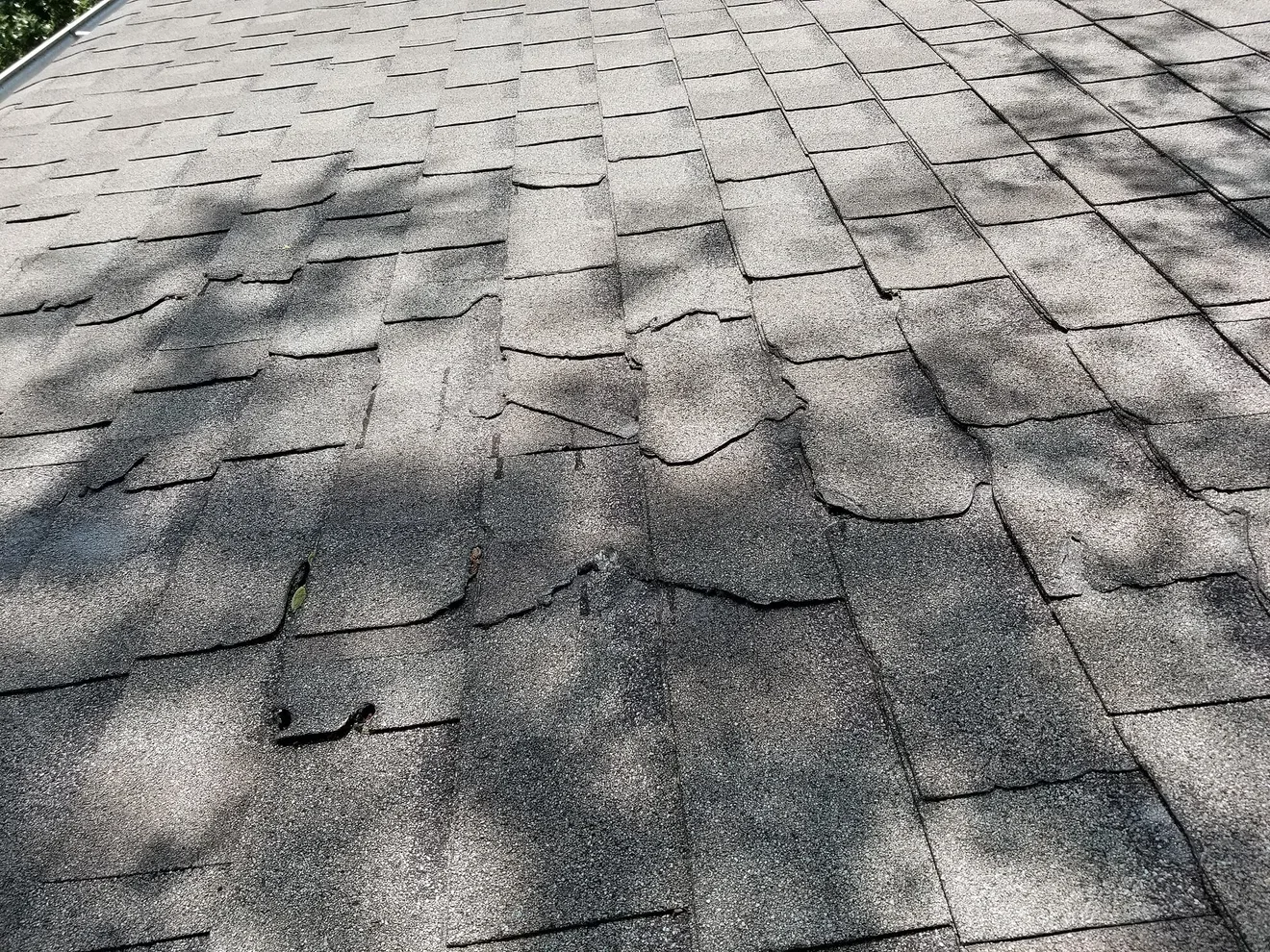
The trade group for asphalt shingle makers is pushing back hard on a new insurance-funded study of how shingles hold up in the wind, and it's asking insurers not to use the research to set roof-age limits (via IKO North America). The Asphalt Roofing Manufacturers Association posted a technical review in October picking apart the Insurance Institute for Business & Home Safety report "10-Year Wind Performance of Asphalt Shingles," and IKO republished the statement in its newsroom on Oct. 28.
ARMA's bottom line: it "strongly cautions against relying on the IBHS report for broad market decisions." The group wants carriers and standards bodies to avoid citing the study to justify underwriting limits, market restrictions or caps on product age.
The IBHS report, posted Aug. 31 and announced in a Sept. 23 release, comes out of the institute's Roof Material Aging Farm program, which started in 2013 and is slated to run through at least 2045. Researchers pulled shingles that had weathered outdoors for 10 years at sites including South Carolina, Wisconsin and Ohio, then compared their wind resistance with lab baseline samples and with shingles that had aged five years at the same locations.
IBHS says many products actually got stronger against wind in their first few years, but most lost ground between years five and 10, and how fast and how far they slipped varied widely from product to product. The biggest single factor, according to the institute, was unsealing, when the adhesive strip that holds a shingle tab down lets go. Products most prone to unsealing had the highest odds of wind failure. IBHS also noted that every product tested carried the top wind classification under current standards, yet they aged very differently. Sun exposure, temperature swings, latitude and roof orientation all played a role.
"What matters most is whether shingles remain sealed and retain a consistently strong sealant bond over time," said Jake Sorber, an IBHS research project scientist and engineer, in the institute's release. The report's summary page concludes that standard test methods don't adequately predict real-world performance and that roof age is a crucial factor in how shingles handle wind.
ARMA's review says IBHS set aside recognized ASTM consensus test standards in favor of its own methods, and that the institute's lab isn't independently audited, which ARMA frames as a conflict of interest because IBHS is funded by the insurance industry. The group also argues the study covered just 14 products from seven manufacturers, a small slice of the market, without true baseline or replicate testing.
On the field side, ARMA says the report pins unsealing and tearing on aging while overlooking installation and site issues: misaligned nails, nail pops, deck warping, a lack of routine maintenance, and moisture from test stands raised only about 4 feet off the ground. It also says IBHS borrowed oxidation models built for pavement asphalt, which ARMA calls a poor fit for modified roofing asphalt, and didn't account for modern factory sealants or products designed for regional seal-down conditions.
ARMA further claims IBHS withheld raw test data, annual observation reports and weather records, and left products that passed wind and uplift testing out of its conclusions. According to the group, roughly a third of the specimens held or increased their uplift resistance. ARMA says it welcomes dialogue with IBHS but "will not endorse inaccurate or unproven testing." IBHS's report page and release don't address ARMA's specific criticisms.
This fight didn't start with this report. IBHS presented earlier research at an NAIC insurance summit in 2023 finding that shingle age signaled wind vulnerability on roofs as young as 10 years old, drawing on damage from Hurricane Laura and the 2020 Midwest derecho. And in early 2025, an IBHS official told a Florida Senate committee that asphalt shingle roofs won't survive 100 mph winds after 10 years, FOX 13 reported. Asphalt shingles cover about 80% of U.S. roofs, according to ARMA, so the outcome matters.
Why it matters for Contractors
For roofers and remodelers, the practical risk is on the insurance side. If carriers lean on the IBHS findings, homeowners with 10-year-old shingle roofs could face tougher underwriting, reduced coverage or pressure to replace, and that can show up fast as rushed reroof calls or stalled sales. Keep an eye on your state insurance department and the carriers active in your market for any new roof-age rules.
Both sides agree on one thing that's squarely in your control: how well the shingles stay sealed. Nail placement, deck condition and following the manufacturer's installation instructions, including any enhanced high-wind instructions, matter whichever study you trust. Document the product and installation details on every job. IBHS says knowing exactly what's on a roof matters for risk, and a clean paper trail can help a homeowner when an insurer starts asking questions.