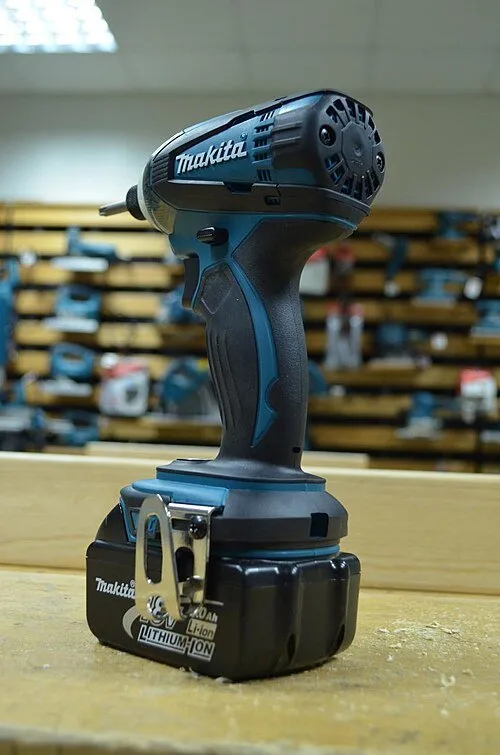
Starting Dec. 1, lithium-ion batteries can't go into any landfill in North Carolina. That covers the packs that run your drills, saws and impact drivers. Mecklenburg County put out a reminder this week ahead of the change, asking residents and businesses to keep rechargeable batteries out of the trash and get them to a proper drop-off (via Mecklenburg County).
The ban comes from the state's solid waste law, G.S. 130A-309.10, which keeps a list of materials no one may knowingly dispose of in a landfill. Lead-acid batteries have been on that list since 1991, according to the N.C. Department of Environmental Quality. Lithium-ion batteries join it on Dec. 1, 2026. The same statute also adds them to the list of materials that can't be burned in a permitted incinerator.
The reason is fires. Mecklenburg County says it's averaging two fires a week at its solid waste facilities from lithium-ion batteries that were thrown out the wrong way. When a battery gets crushed in a garbage truck, a compactor or a sorting line, it can catch fire. The county's disposal page says several of those fires have started at its Pence Road materials recovery facility and at its full-service drop-off centers.
"Fires involving lithium-ion batteries can be especially dangerous because they can spread quickly," Mecklenburg County Fire Marshal Matt Bixler said in the county's release. He called proper disposal "a simple step residents and businesses can take to help protect workers, firefighters, and our community."
Mecklenburg already banned the batteries at its Foxhole Landfill in 2025. The state law now reaches every landfill in North Carolina, including Foxhole and Speedway Landfill in the Charlotte area.
The ban isn't limited to loose battery packs. DEQ's guidance for local governments says a device shouldn't go in the trash or recycling either if its lithium-ion battery is still inside. For a contractor, that's a long list: cordless tools, phones, tablets and laptops, lawn equipment, scooters and e-bikes. Regular single-use alkaline batteries (AA, AAA, C and D) aren't part of this ban, and Mecklenburg says those can still go in the trash.
The statute applies to any "person," and DEQ's guidance for businesses lists construction contractors by name among the kinds of operations that end up with used lithium-ion batteries. DEQ's handling tips are simple: store spent batteries somewhere dry and cool, away from heat; tape the terminals or use anti-static bags; use a fire-resistant container; keep damaged, swollen or recalled batteries apart from the good ones; and don't toss batteries loose into scrap metal bins.
For getting rid of them, DEQ points businesses to mail-in and retail drop-off programs, hazardous and universal waste vendors, electronics recyclers and battery recyclers. It also warns that retail take-back programs vary in what types and how many batteries they'll accept, so check before you show up with a bucket.
The law does leave a little room for mistakes. Accidental or occasional disposal of small amounts of a banned material isn't treated as a violation. Neither the statute section nor DEQ's guidance spells out a specific penalty.
In Mecklenburg, residents can drop rechargeable batteries off for free at the county's staffed or full-service recycling centers by taking them to the household hazardous waste area and handing them to staff. Businesses are asked to contact Mecklenburg County Solid Waste Services at SolidWaste@MeckNC.gov for help. County recycling centers are closed on Thanksgiving, Nov. 26, and open again Nov. 27 and 28.
Why it matters for Contractors
Most small crews burn through a steady supply of tool batteries, and the easy habit is to pitch dead ones in the jobsite dumpster or the shop trash. After Dec. 1, that's no longer allowed anywhere in the state, and it's the kind of thing that starts the fires landfill and recycling crews are dealing with now.
The fix doesn't take much. Put a lidded, fire-resistant container in the shop or on the truck for spent packs, tape the terminals, and pull any swollen or damaged batteries out and keep them separate. Line up where they're going before the bin fills: a county drop-off, a retail take-back program or a battery recycler. If you're in Mecklenburg, email the county's solid waste office for business options. On demo and cleanout jobs, do a quick sweep for batteries and battery-powered devices before the haul-off, since DEQ counts a device with the battery still in it.