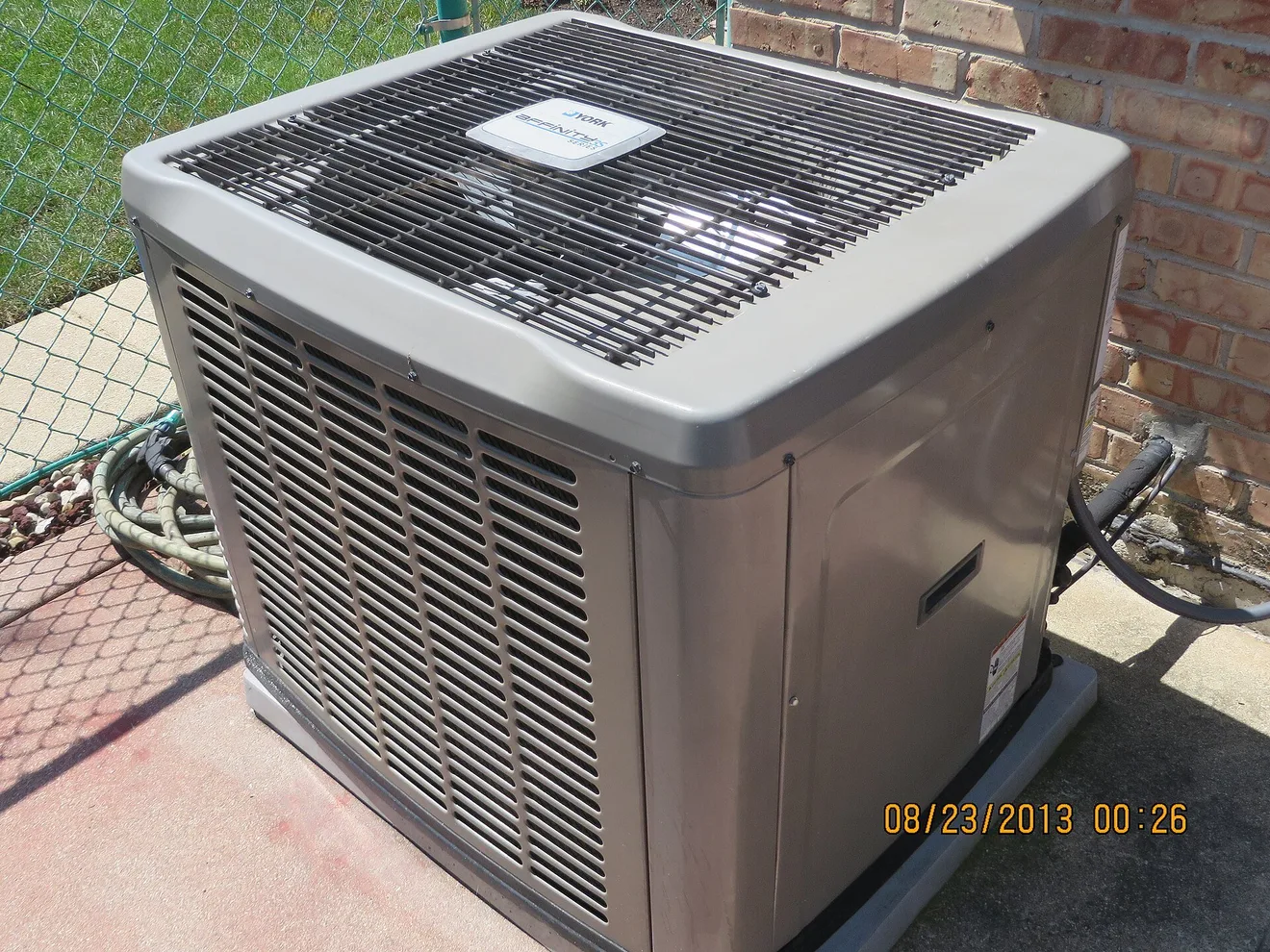
Charlotte could soon make air conditioning a basic requirement of its housing code, not just something landlords have to keep running if they already offer it. City Council members discussed a change this week that would require cooling equipment able to hold at least two rooms at 80 degrees or cooler from May through September (via WBTV). No vote is on the calendar yet, but WBTV reported the council could take it up as early as Dec. 14.
The proposal doesn't demand central air. Window units would count, which the city says would keep costs down for homeowners and landlords, according to WFAE. Once a violation is found, property owners would have 48 hours to make repairs or face fines, WBTV reported.
Right now, Charlotte's rule only covers AC that's already there. If a landlord supplies air conditioning, it has to work and be maintained, but nothing requires it in the first place. North Carolina's building code requires heat, not cooling, WFAE noted in August when the idea first surfaced during a review of the city's Minimum Housing Code.
The city estimates about 3,100 housing units in Charlotte have no AC at all, based on census data, WFAE reported. That's the pool of homes and apartments that would need equipment added if the change passes.
Council member LaWana Mayfield, who chairs the council's Housing Committee and has worked on the proposal, framed it as a public-health move. "We want to get ahead of related illnesses and even deaths that other counties have experienced," she told WFAE. "The committee does believe that this is the right time."
There are teeth beyond the fines. According to WFAE, the ordinance as discussed would let residents stop paying rent during the May-to-September stretch if they don't have working AC. The city also told council it would need to hire more code enforcement staff if the rules take effect.
Not everyone on the dais is sold. District 7 Councilman Ed Driggs worried about the cost landing on the very residents the rule is supposed to help, WBTV reported. "This is almost a kind of gentrification situation: you improve those properties," he said. WFAE pointed out that state law doesn't let the city stop landlords from raising rent to cover new equipment.
City staff said help already exists for people who can't afford cooling, and that Charlotte has handed out about 200 window units over the past two years, per WBTV. On the landlord side, the city's code enforcement site lists a Rental HVAC Investment Pilot Program that helps landlords install new air conditioning in eligible rental properties, defined as single- or multi-family buildings with one to 49 units (City of Charlotte). The page doesn't spell out dollar amounts.
Charlotte wouldn't be first. WFAE noted that New Orleans, Houston and Las Vegas have passed similar cooling rules.
The idea has been moving for a few months. In August, the Housing Committee voted unanimously to draft possible language for the city's legislative agenda, and members raised questions about cost and about whether the city has the legal authority to mandate AC, WFAE reported at the time. Council member Kimberly Owens said then, "I would like to understand what these costs would potentially be." No cost estimate for landlords has been made public in the coverage so far.
Why it matters for Contractors
If you do HVAC, electrical or general repair work for Charlotte landlords, this is worth tracking now. A list of roughly 3,100 units without cooling, a 48-hour repair clock and a cooling season that starts in May could add up to a burst of window-unit installs, added circuits and service calls if the rule passes.
The 48-hour window matters most for small shops. Landlords facing fines will want someone who can show up fast, so a service agreement with a handful of property owners may be worth more than one-off calls. It's also a good time to ask whether the older rentals you work in have the electrical capacity for added units.
Nothing is final. Watch the council's agendas for a possible Dec. 14 vote, and check the city's Rental HVAC Investment Pilot if your landlord clients need help paying for new equipment.