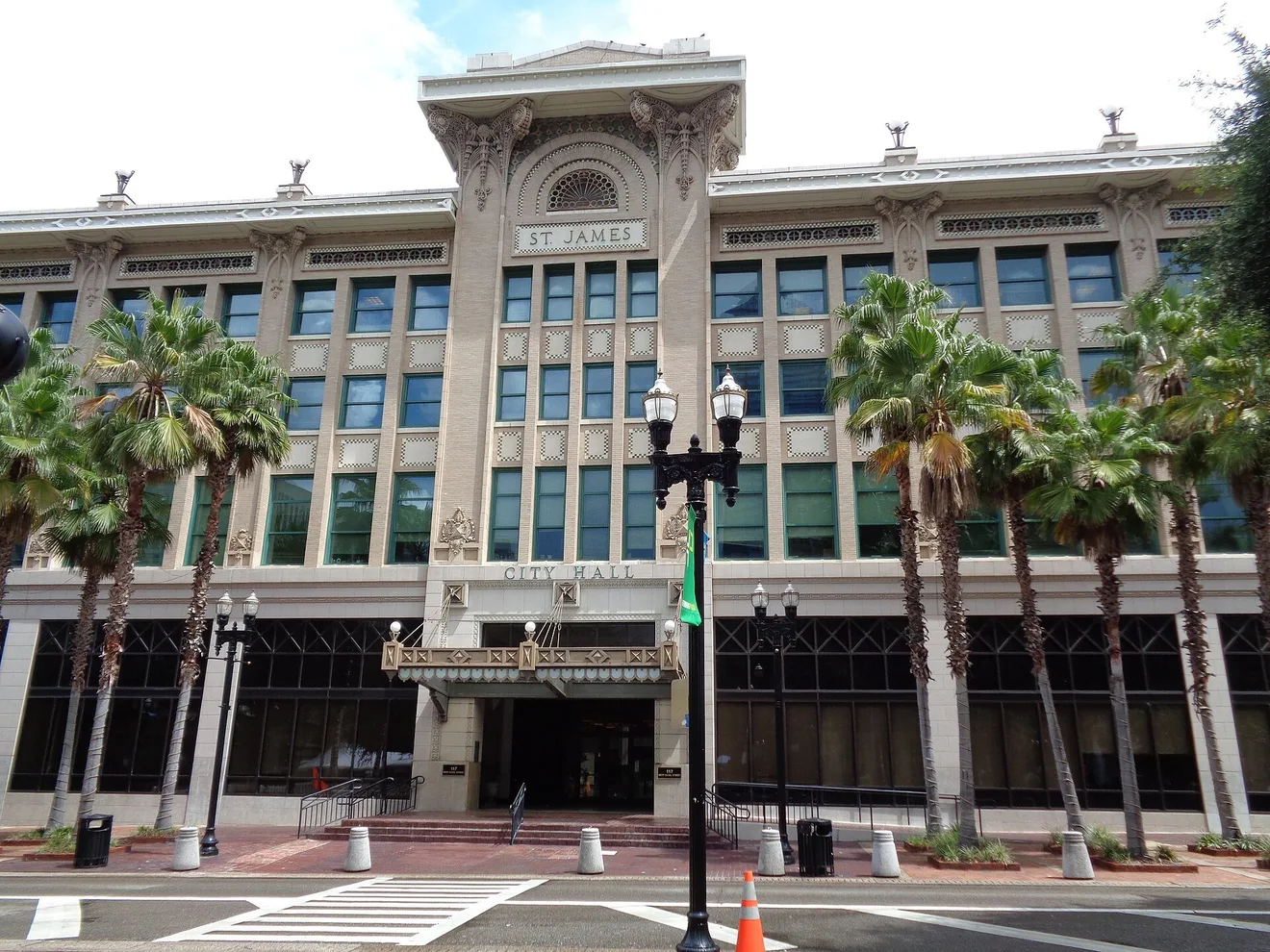
Jacksonville wants to make it easier to build affordable apartments on land owned by churches, synagogues and other houses of worship. Council Member Rahman Johnson, backed by Mayor Donna Deegan, presented a "Yes in God's Backyard" bill at City Hall on Nov. 18 and planned to file it Friday, Nov. 20 (via Jacksonville Today).
The pitch is a faster path through zoning, not money. "We are providing the pathway for it to work, but we are not giving the incentives for that," Johnson said. The city isn't putting in any funds or incentives, and Johnson called it budget-neutral.
According to the draft ordinance Jacksonville Today posted, and News4JAX's reporting, here's how it would work.
Eligible sites are properties owned by a religious institution that have had a house of worship on them for at least 10 years, on parcels of 3 acres or less. The congregation has to keep operating there.
At least 40% of the rental units must be affordable to households earning no more than 80% of the area median income, for at least 30 years after the units are placed in service. Owners would certify that 40% figure to the city's Housing and Community Development Division every year.
Density can go up to the highest level currently allowed in the city, capped at 60 units per acre, without counting bonus density, variances or special exceptions. Height follows the underlying zoning district, with airport and historic review still applying, along with flood rules, Coastal High Hazard Area limits and a required connection to JEA water and sewer.
Projects aren't automatically approved, News4JAX reported, but they get an expedited review. Under the draft, the Planning Department would issue a decision within 30 days of a complete application, after posted signs, mailed notice to neighborhood associations within 350 feet and a 14-day comment window. Parking requirements drop near transit, and a shared-parking deal with the church can reduce them further. The section would sunset five years after approval unless the council extends it.
Churches wouldn't be swinging hammers. They keep the land but must partner with a developer experienced in affordable housing, said Joshua Hicks, the city's affordable housing director. "The church could be considered the co-developer, but they are not going to be the one to build it," Hicks said. "They will just be the land owner."
The model already exists in town. Rosalind Villas, a 121-unit senior apartment community, was built in 2002 next to Greater Macedonia Baptist Church on Edgewood Avenue West by the late Rev. Landon Williams. His daughter, Michelle Williams, spoke in support: "Any time you can get a public-private partnership to work, it is for the good of the people."
The bill builds on a 2025 state law. Florida's SB 1730 lets local governments approve affordable housing on religious-institution land that contains a house of worship regardless of zoning, with at least 10% of units affordable, according to the Florida Senate's bill text. Jacksonville's version sets a much higher bar at 40%.
Johnson made clear it's a starting point. "I'm not saying that this is a done deal," he told News4JAX. "I want us to debate this." We couldn't yet confirm a bill number or committee schedule on the council's legislation site.
Why it matters for Contractors
This is an opening for builders who already know affordable housing. Churches can't build these projects themselves, so every one needs a developer, and those developers need general contractors, site crews and trades. If you've worked on tax-credit or other affordable projects, congregations with an acre or two of spare land could become potential clients.
A 3-acre cap and a 60-units-per-acre ceiling point to small and mid-size buildings, the kind of job a regional builder can handle. With no city money in the deal, financing will come from tax credits or state and federal programs, so expect long lead times and strict paperwork.
The bill still has to clear council. Follow it through committee, and if you have relationships with local congregations, now's a good time to start the conversation.