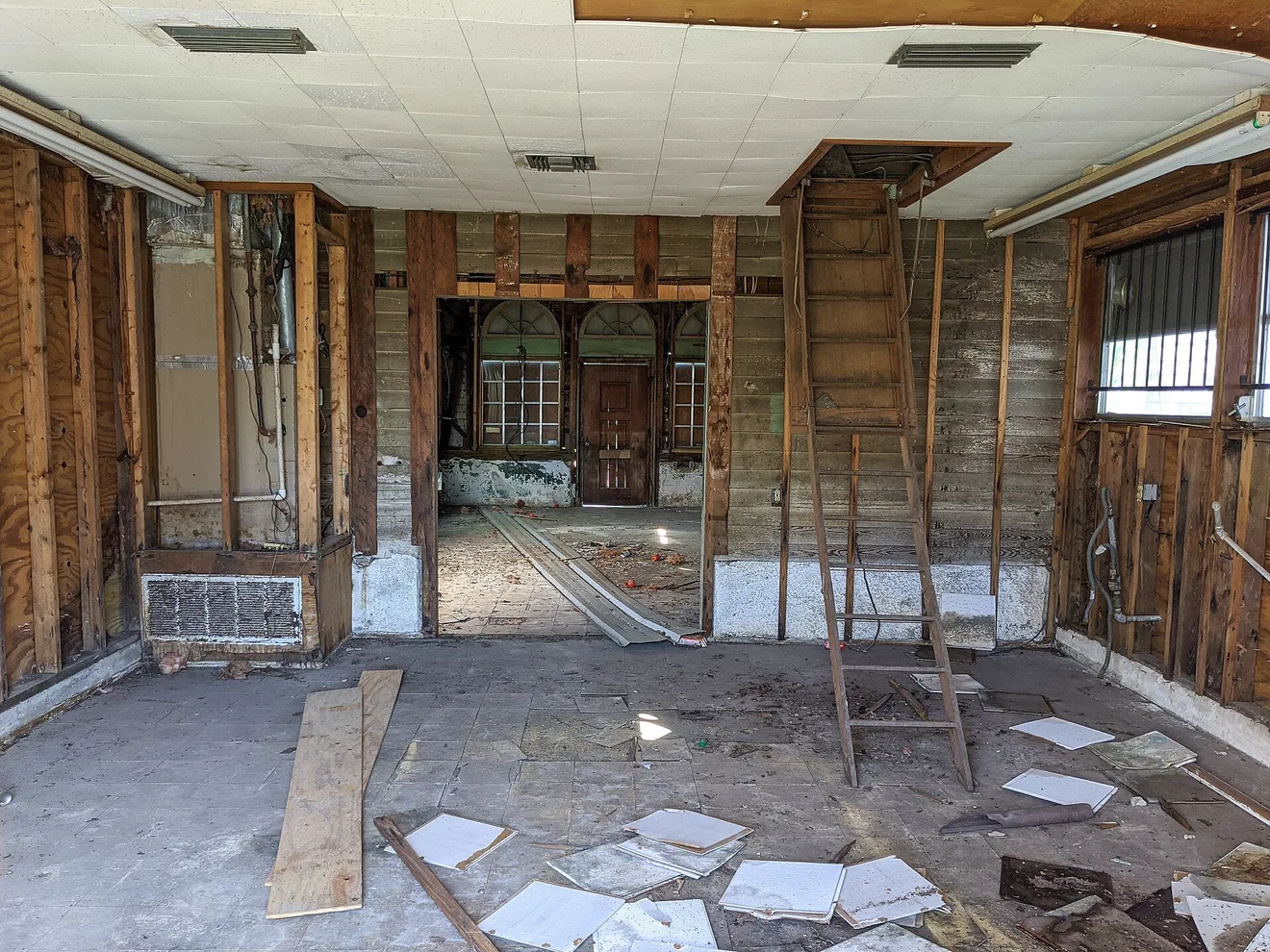
A Northeast Florida remodeling company owner is facing grand theft and construction-fund charges after a homeowner paid him $36,875 for a renovation that investigators say was repeatedly delayed, left subcontractors unpaid and was ultimately abandoned (via News4JAX).
Steven Rounds, 40, owner of Incredible Kitchen and Bath, was arrested Oct. 27. St. Johns County Sheriff's Office property crimes detectives handled the investigation and the charges, and the Jacksonville Sheriff's Office found and arrested him. He's charged with grand theft and with misusing construction funds. These are allegations; he hasn't been convicted, and the news report didn't include any response from him.
According to investigators, the homeowner signed a renovation contract in April 2026 and made several payments that added up to $36,875. Detectives believe Rounds got the money under false pretenses and didn't put it toward labor and materials. Construction kept getting pushed back, the company stopped responding to the homeowner, subcontractors went unpaid and the job site was eventually abandoned.
The homeowner went to investigators on Oct. 2. The sheriff's office says the investigation is ongoing and is asking anyone else who hired or paid Rounds or Incredible Kitchen and Bath to contact Detective Maloney at rmaloney@sjso.org.
Florida treats this kind of case seriously, and the rules apply to every contractor who takes a homeowner's money.
Under Florida Statute 713.345, anyone paid to improve real property has to apply that money to what's owed on the job, such as subs and suppliers, unless the contract or a good-faith dispute allows it to be held back. Knowingly and intentionally failing to do so is called misapplication of construction funds. It's a felony at every level, graded by the total amount: second-degree for $1,000 up to $100,000, and first-degree at $100,000 or more (Florida Legislature). When a contractor is charged, prosecutors forward the case to the state's licensing agency, DBPR.
A separate statute, 489.126, covers deposits. A contractor who takes more than 10% of the contract price up front on residential work has to apply for permits within 30 days and start work within 90 days after permits are issued, unless there's just cause, a refund or a written agreement (Florida Legislature). And under 489.129, a licensed contractor's job can be presumed abandoned after 90 days without work, without just cause or notice to the owner, which is grounds for discipline.
Residential contracts over $2,500 also have to carry a state-required notice warning owners that they can end up facing a construction lien if a contractor or sub doesn't pay subs or suppliers, and advising them to get lien releases before paying (Florida Legislature).
Why it matters for Contractors
If you run a small remodeling shop in Florida, the money a homeowner pays you on a job isn't yours to move around. It's meant for that job's labor, subs and materials. Using one customer's deposit to cover another job's shortfall is the kind of thing that can turn a cash-flow problem into a criminal case.
Some practical steps: track payments and costs by job, not in one pot. Pay your subs and suppliers on time and collect lien releases as you go, because homeowners are being told to ask for them. Pull permits and start work inside the deadlines that come with a large deposit, and if a job gets delayed, tell the customer in writing and say why.
Subs have a stake here too. If a GC falls behind on paying you, don't wait months. Florida's lien rules have strict deadlines, and knowing them protects your money.