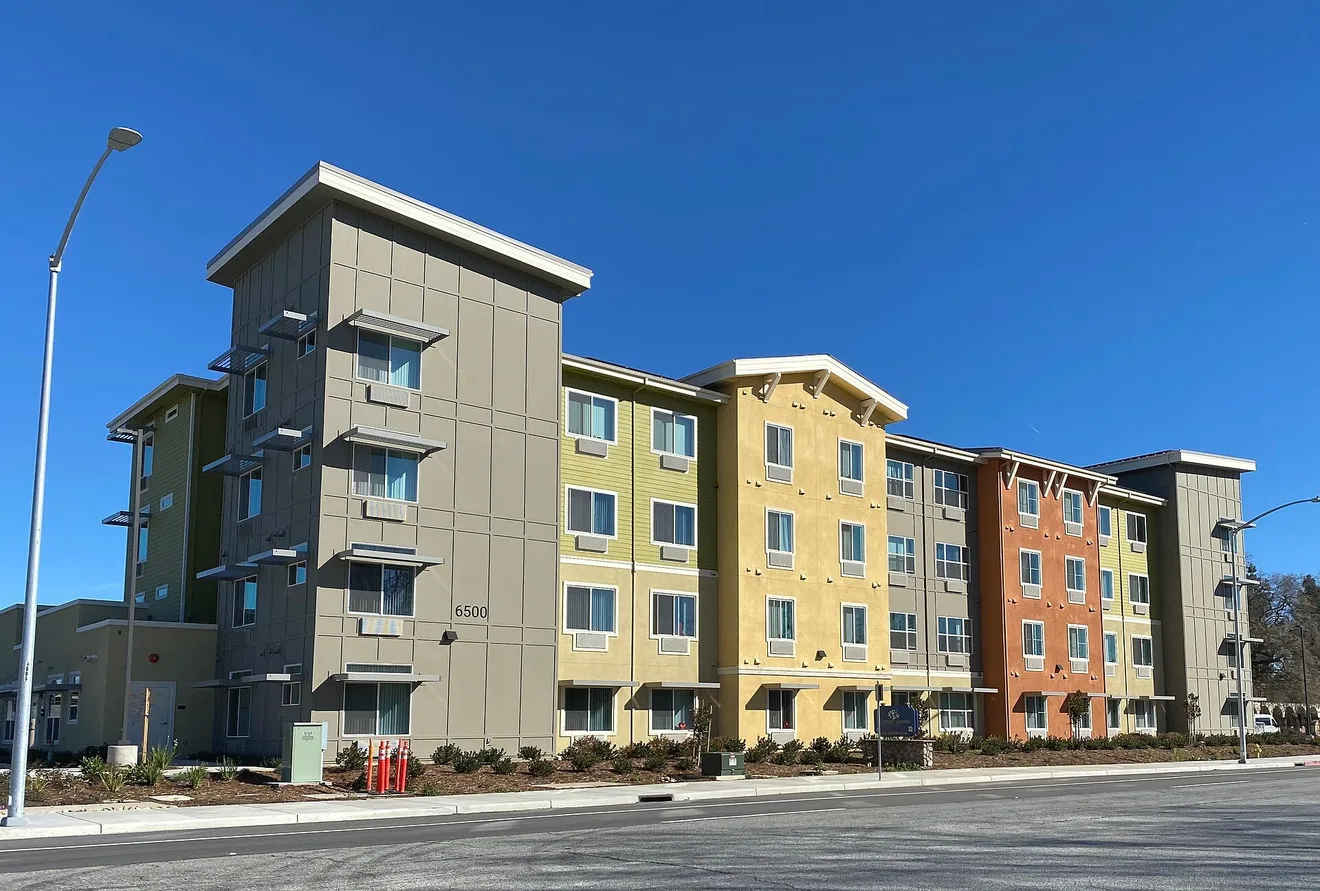
Builder's remedy is no longer an abstract state-law fight in Gilroy. About 40 residents showed up to Mayor Greg Bozzo's monthly "Coffee with the Mayor" at City Hall on Saturday, Nov. 14, and the conversation centered on two large housing projects moving forward under the state rule that lets developers sidestep local zoning (via San José Spotlight).
"Builder's remedy projects proposed in and around Gilroy could significantly affect our community," Bozzo said. Four councilmembers, City Administrator Matt Morley and Community Development Director Sharon Goei also attended.
Builder's remedy comes from the state's Housing Accountability Act. When a city doesn't have a state-approved housing element, developers can propose projects that don't match its zoning or general plan, as long as enough of the units are affordable. Gilroy missed the state's Jan. 31, 2023 deadline, and the state Department of Housing and Community Development didn't find its housing element in substantial compliance until Aug. 21, 2023, according to the Spotlight and Gilroy Dispatch coverage at the time.
That gap is what matters. In a July 2024 letter, HCD told the city that developers lock in their rights on the date they file a preliminary application, and that Gilroy's own May 2023 adoption of its plan didn't count because cities can't "self-certify." Two projects filed during that window are now working their way through.
The bigger one is Park 315 at 315 Las Animas Ave. Gandolfi Investments LLC, a subsidiary of TenSouth, plans 530 rental units in 38 buildings on 27.55 acres, including 33 townhouse buildings and three mid-rise buildings, with 106 units for low-income households, according to the city's project page. The site was zoned industrial, and the developer sued the city in 2024 after it deemed the application incomplete, the Dispatch reported. The project was approved early this year, according to a state environmental filing, and the city's project page now lists it as under construction.
The second is at 2480 and 2740 Hecker Pass Road, where Mana Camden Fund LLC wants to build 116 single-family homes on 24.3 acres, including nine for extremely low-income households. The city says the project conflicts with the Hecker Pass Specific Plan and its 2040 General Plan. A draft environmental impact report came out in August, the comment period closed Oct. 5, and no public hearing date has been posted.
Together, that's 646 homes, 115 of them affordable, which matches the figures the Spotlight reported.
Residents at the meeting mostly said they want growth to follow the city's rules. "We'd just like to see them do it properly without overriding what the city wants," said Greg Felios, a resident and Parks and Recreation Commission member. "Yes we need housing, yes we need people working."
The city says it isn't against building. "The city of Gilroy recognizes the need for more housing, including homes affordable to people who live and work here," spokesperson Rachelle Bedell said. Gilroy's state target for 2023 to 2031 is 1,773 homes, 1,254 of them affordable, and the city has permitted 433 so far, according to the Spotlight.
Why it matters for Contractors
Whatever residents think of builder's remedy, there's real work on the ground in Gilroy. Park 315 is a 530-unit job with dozens of townhouse buildings, the kind of project that needs framers, roofers, drywall and finish crews for a long stretch. No general contractor is named on the city's page, so the city planner assigned to the project, Michael Fossati, at 408-846-0264, is a reasonable place to start asking who's building it.
Hecker Pass is earlier. Public comment on the draft environmental report has closed, but hearings haven't been set. State environmental filings describe a 12-phase buildout over about 23 months if it's approved, so keep an eye on the city's project page.
The bigger lesson for builders anywhere in California: a city's housing element status can open or close doors for years. If you're pitching a project that doesn't fit local zoning, check where that city stands with HCD first.