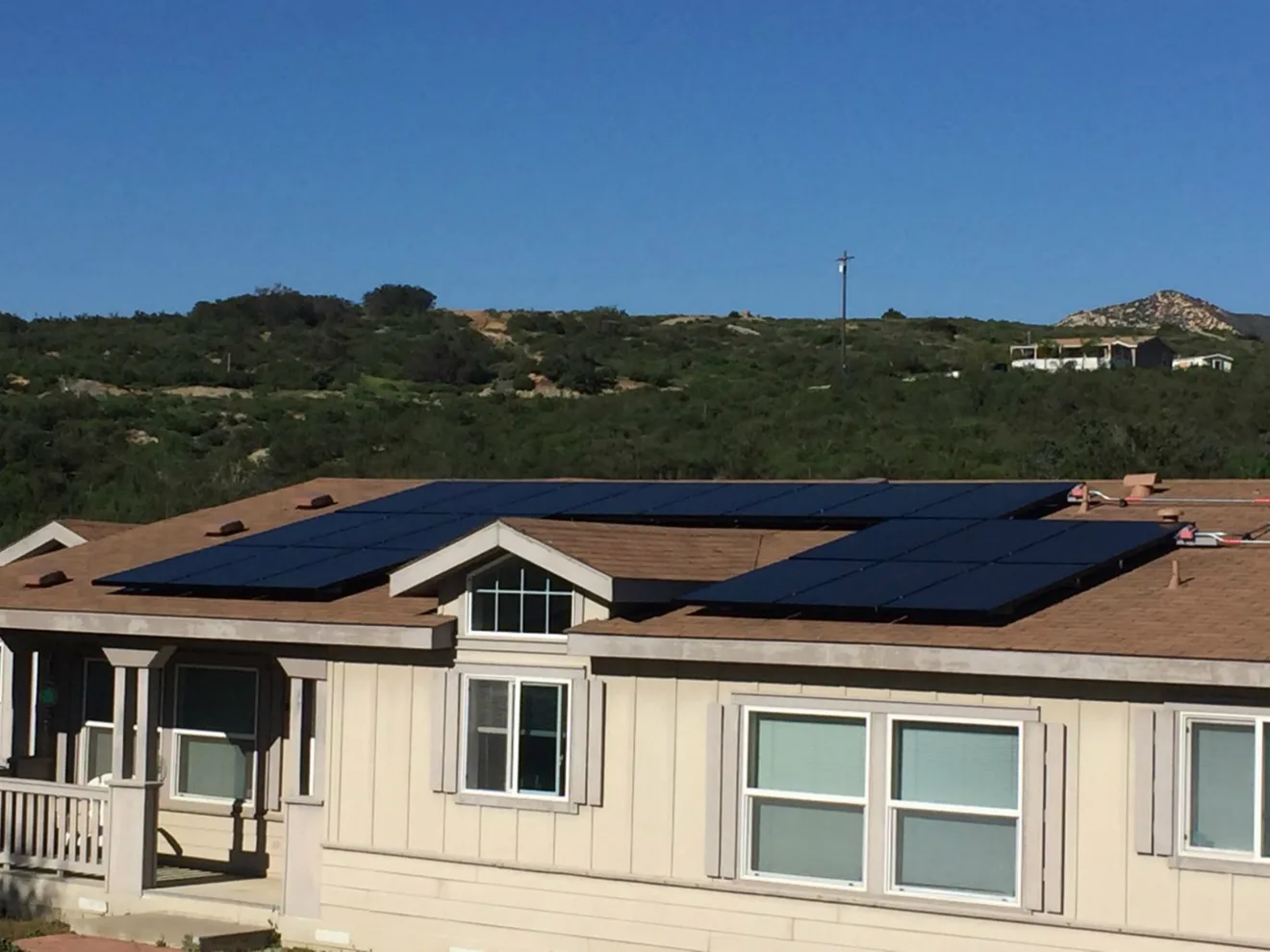
California homeowners and building owners have about five weeks left to get new solar systems finished under a property tax break that's been around since the late 1990s. Riverside County Assessor-Clerk-Recorder Peter Aldana's office put out a reminder last week that the state's exclusion for new solar installations ends Jan. 1, 2027 (via the County of Riverside).
Here's how it works today. Normally, adding something to a property counts as new construction, and the assessor adds its value to the property's assessed value. Under Revenue and Taxation Code Section 73, a qualifying active solar energy system is left out of that calculation, so putting panels on a house or a commercial building doesn't raise the tax bill. The State Board of Equalization is careful to call it an exclusion, not an exemption.
That ends with the new year. Solar systems completed on or after Jan. 1, 2027 won't qualify, according to Riverside County, except for some construction that was already underway. The exclusion has been extended several times. The last extension, in 2022, set the current end date, and a 2025 bill, SB 710, kept that Jan. 1, 2027 date in place, according to the county and a Board of Equalization analysis of the bill.
The details on timing matter. In an August 2024 letter to county assessors, the Board of Equalization said a system completed on any day before Jan. 1, 2027 can qualify. For projects that straddle the deadline, only the construction in place as of 12:01 a.m. on Jan. 1, 2026 can be excluded. Work done during 2026 on a project that isn't finished until after New Year's Day is assessable. The board's examples include a system started in September 2025 and finished in February 2027: the 2025 portion stays excluded, but the work after that doesn't.
Phased projects follow the same logic, per the board. Phases finished before Jan. 1, 2027 keep the exclusion, and later phases get assessed.
Owners who already have the break don't lose it when the program ends. Systems that were excluded stay excluded until the property changes ownership, according to both the county and the Board of Equalization.
There's one more change for new homes. For buyers of newly built homes that come with solar, the exclusion has always required a claim. The buyer files Form BOE-64-SES with the county assessor, and it only applies if the builder didn't already take the exclusion. A 2025 law, AB 1516, sets a three-year window to file that claim, starting Jan. 1, 2027, according to Riverside County and the Board of Equalization's analysis of the bill. A claim filed late can still get relief, but only starting with the assessment year it's filed in.
For a typical rooftop add-on to an existing house, the board says no form is needed. The assessor usually picks up the exclusion from the building permit.
Why it matters for Contractors
If you install solar in California, or build homes that include it, the calendar is now part of the sales pitch. A system finished by Dec. 31 still gets the exclusion. One finished on Jan. 2 gets assessed as new construction and adds to the owner's property tax bill. For projects already on the board, it's worth telling customers plainly where they stand: what has to happen for the job to count as complete, and what happens to their tax bill if a permit, inspection or equipment delay pushes it into January.
Be careful not to overpromise. The board's own guidance says a project started in 2026 and finished in 2027 doesn't get the exclusion for this year's work, so a half-done job on Dec. 31 isn't safe. If you're not sure how your county will treat a specific project, the county assessor's office is the one to ask.
For builders selling new homes with solar, let buyers know about the BOE-64-SES claim and the new three-year filing window. It's a form a lot of homeowners won't know exists, and a quick note at closing can save them money.