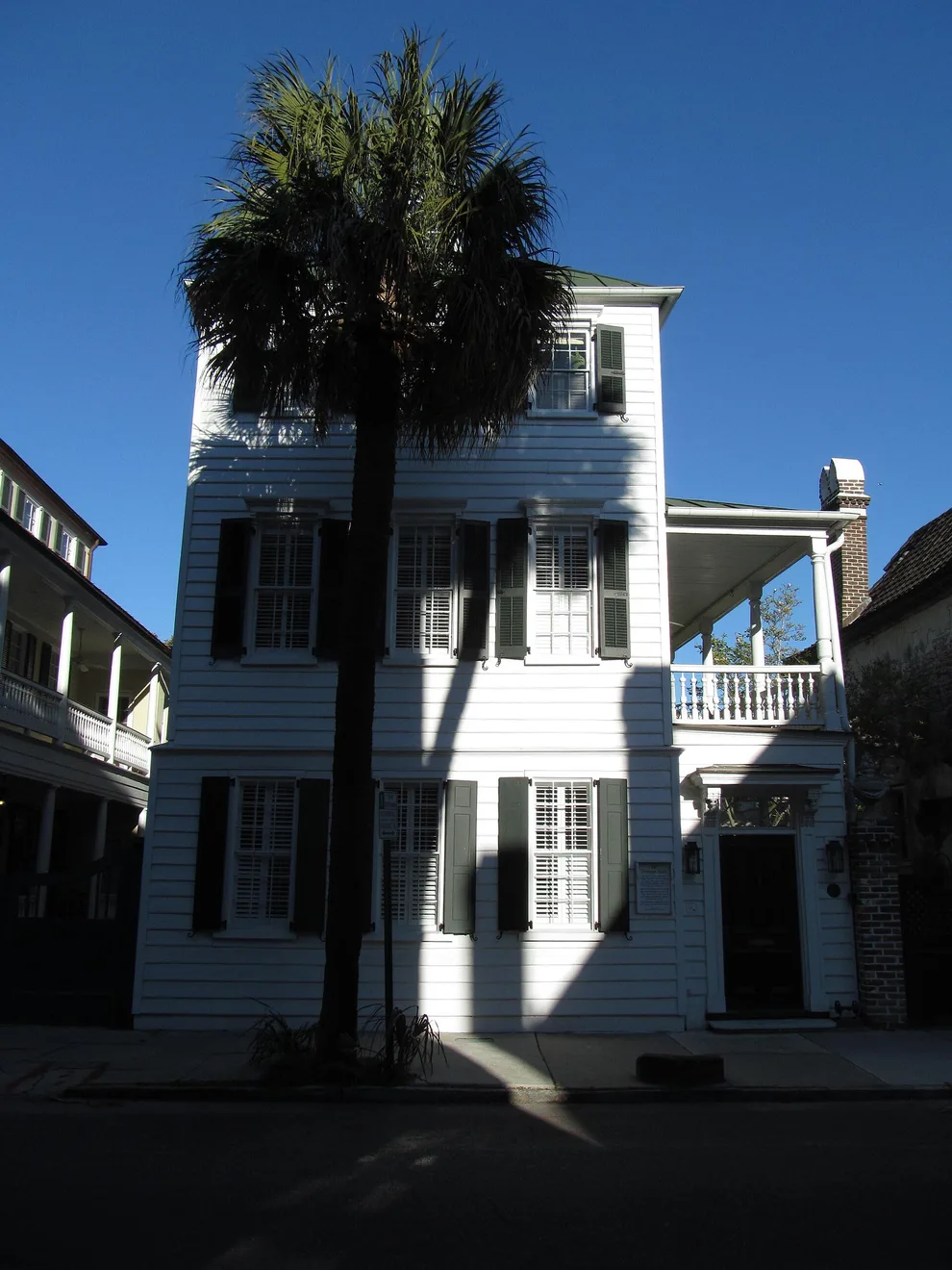
Pulling a permit inside Charleston city limits is about to get more expensive. City Council is scheduled to take its second and final vote Tuesday, Nov. 17, on two ordinances that reset the fees charged by the Department of Development Services and the Department of Planning and Preservation (via City of Charleston). If they pass, the new rates take effect Jan. 1, 2027.
The number getting the attention is residential. The proposal works out to roughly a 50% increase in building permit fees for new homes, according to Live 5 News. It doesn't stop at houses, either. The ordinance also raises fees on commercial buildings, demolitions, swimming pools and renovations, The Post and Courier reported.
Council gave the change unanimous first-reading approval on Nov. 10. Tuesday's meeting starts at 5 p.m. at City Hall, 80 Broad St., where both fee ordinances sit on the agenda under bills up for second reading.
Here's what the new schedule looks like in dollars. The application fee doubles to $80, up from $40 under the 2019 schedule, and plan review is charged at half the building permit fee, according to The Post and Courier. For a project valued between $100,001 and $500,000, the paper put the total building permit fee at $2,343.50 starting in January, compared with $1,117 in 2019. It would be the first increase in about five years.
A handful of smaller charges are changing too. Live 5 reported that some engineering permit fees, the kind that can apply to certain driveway work, go from $25 to $100. There's a new $200 review fee for certain floodplain map revision requests that involve placing fill on a property, and a new $350 fee for commercial certificates of occupancy.
City staff say the fees simply haven't kept pace with the cost of doing the work. Ron Bucci of the Development Services Department told Live 5 the city worked with its budget and finance staff so the fees only cover the city's cost. "So we would never exceed the amount of money that's required to do the work. And we actually came in even under those values," he said. Bucci said the city's math supported a commercial certificate of occupancy fee of up to $600, but because it's a new fee, staff went lower.
City spokesperson Bay Sheehan told The Post and Courier the current fees "no longer cover what it costs the City to do that work." The city compared its numbers against Charleston County and Mount Pleasant, and Sheehan said, "At most project values, the city's proposed fees fall between or below theirs."
Builders aren't thrilled. Adrian Cain, CEO of the Charleston Home Builders Association, called the increase "an assault on affordability" in The Post and Courier. "Oftentimes, we're not going to object to the fees, but we have to be honest about who's paying the fees," Cain said. "The fees are going to be passed on the consumer."
Adrian Barber, who owns Generation Homes in Charleston, gave the paper a real-world example. A $500,000 house he recently built on Rutledge Avenue paid about $2,800 in city permits, or roughly $5,000 once all four trades were counted. Under the new structure, he said, that total would climb past $6,000. Barber said he'd have preferred to see the increase phased in rather than landing all at once, and noted the city had been talking with builders about it for about six months. In return, he wants one-day inspections, quicker plan reviews and better floodplain management.
Why it matters for Contractors
If you build or remodel inside Charleston city limits, the permit line on your estimates is about to grow, and not just on new homes. Renovations, pools and demolitions are in the ordinance too, so remodelers and pool contractors should plan on higher costs as well.
For anything you're pricing now that won't pull a permit until 2027, use the new numbers or write the permit as a pass-through at actual cost. The agenda doesn't say whether applications filed in December lock in today's rates, so call Development Services before you promise a client the old price.
For a small shop, an extra $1,200 or so in permit fees on a mid-priced house won't sink a job, but it can eat a thin margin on a fixed-price remodel if nobody saw it coming. If you want to weigh in, Tuesday's 5 p.m. meeting is the last scheduled vote. If it passes, the bigger fight for builders may be the one Barber described: holding the city to faster reviews and inspections in exchange for the higher fees.