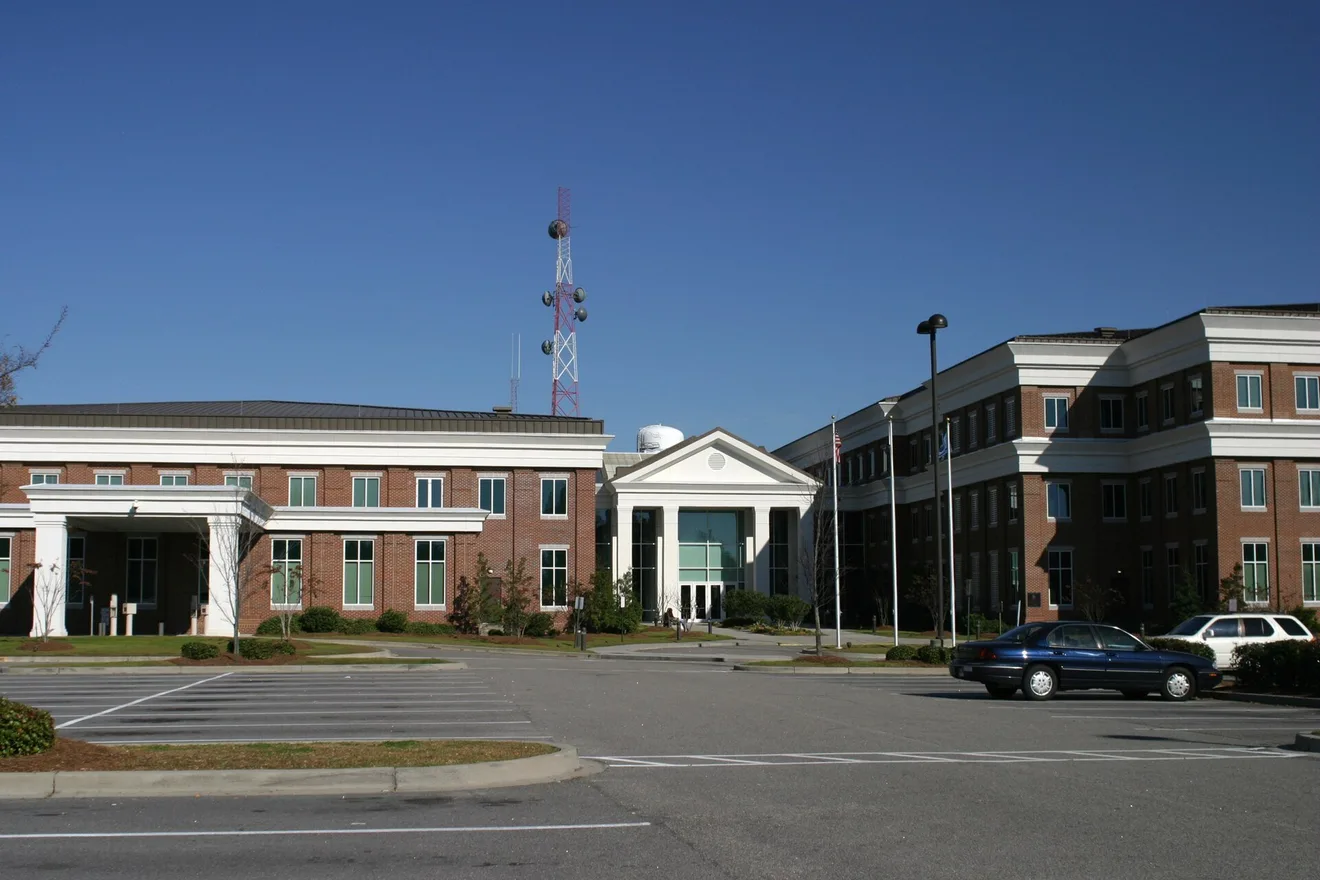
If you've got a rezoning or permit application moving through Horry County, be careful what you pay. The county says scammers posing as its Planning and Zoning staff are emailing fake invoices that demand fees by wire transfer, and one recent target was the agent for an applicant with an active rezoning case (via Horry County).
In that case, the email carried an invoice for an "approval fee" to be paid by wire. The person who got it reported it, and the county says no money was lost.
What the scam looks like
The county's warning, posted Nov. 3, is aimed at residents, property owners, developers and agents. It gives an example of the kind of sender address being used: planningdept.horrycountysc.gov@usa.com. It has the county's name in it, but it doesn't end in the county's own domain, horrycountysc.gov.
The county's red flags:
- A sender address that uses the county's name but isn't a county domain
- A request to pay by wire transfer, payment app, gift card or cryptocurrency
- Payment instructions that only come if you reply to the email
- Pressure to keep the conversation on email instead of calling the county
- Threats that your application or hearing will be delayed if you don't pay right away
If you get one, the county says don't reply, click links or open attachments. Call Planning and Zoning at 843-915-5340, using the number on the county's website, not one in the email. If you've already paid, call your bank immediately to try to stop or recall the transfer, then report it to the FBI at ic3.gov.
It's a national scheme
Horry County isn't alone. On March 9, the FBI's Internet Crime Complaint Center put out a public service announcement warning that criminals are impersonating city and county officials in phishing emails tied to planning and zoning permits. The FBI says the scammers mine public permit records, so their emails can include real addresses, case numbers and the names of real staff, and they sometimes show up in the middle of a legitimate back-and-forth with the planning office.
"The criminals leverage publicly available permit information to identify potential victims," the FBI wrote. It also warned, "Do not assume emails are legitimate based on the use of city or county letterhead, seals."
The FBI describes the same playbook Horry County saw: look-alike addresses on outside domains such as usa.com, itemized PDF invoices, instructions to ask for payment details by email rather than phone, and demands for wire, app or crypto payments backed by threats of delays.
Other local governments have sounded the same alarm this year. Metro Nashville's planning department warned about the scheme in January and says it never asks for fees by wire. Virginia Beach and Evanston, Ill., both posted warnings after the FBI notice, and Gwinnett County, Ga., warned in July that scam emails were copying real employees' names, titles and email addresses, Atlanta News First reported.
Why it matters for Contractors
Your permit and rezoning files are public, and that's exactly what makes this scam convincing. An email that gets your case number, address, hearing date and planner's name right proves nothing. What gives it away is the payment request.
For a small shop, a few habits go a long way. Read the full sender address, not just the display name, every time money comes up. Treat any emailed invoice that asks for a wire, an app payment, gift cards or crypto as fraud until the county confirms otherwise by phone at a number you looked up yourself. In Horry County, pay through the official online invoice portal linked from the county's Planning and Zoning page. And make sure everyone who touches your applications knows this, including office staff, permit expediters and agents. In the Horry case, it was the agent who got the email.
If something slips through, speed matters. Call your bank first, then file at ic3.gov with the sender address, the date, any phone number used, the hearing date, the invoice amount, the payment method requested and any bank details, which is the information the FBI asks for.