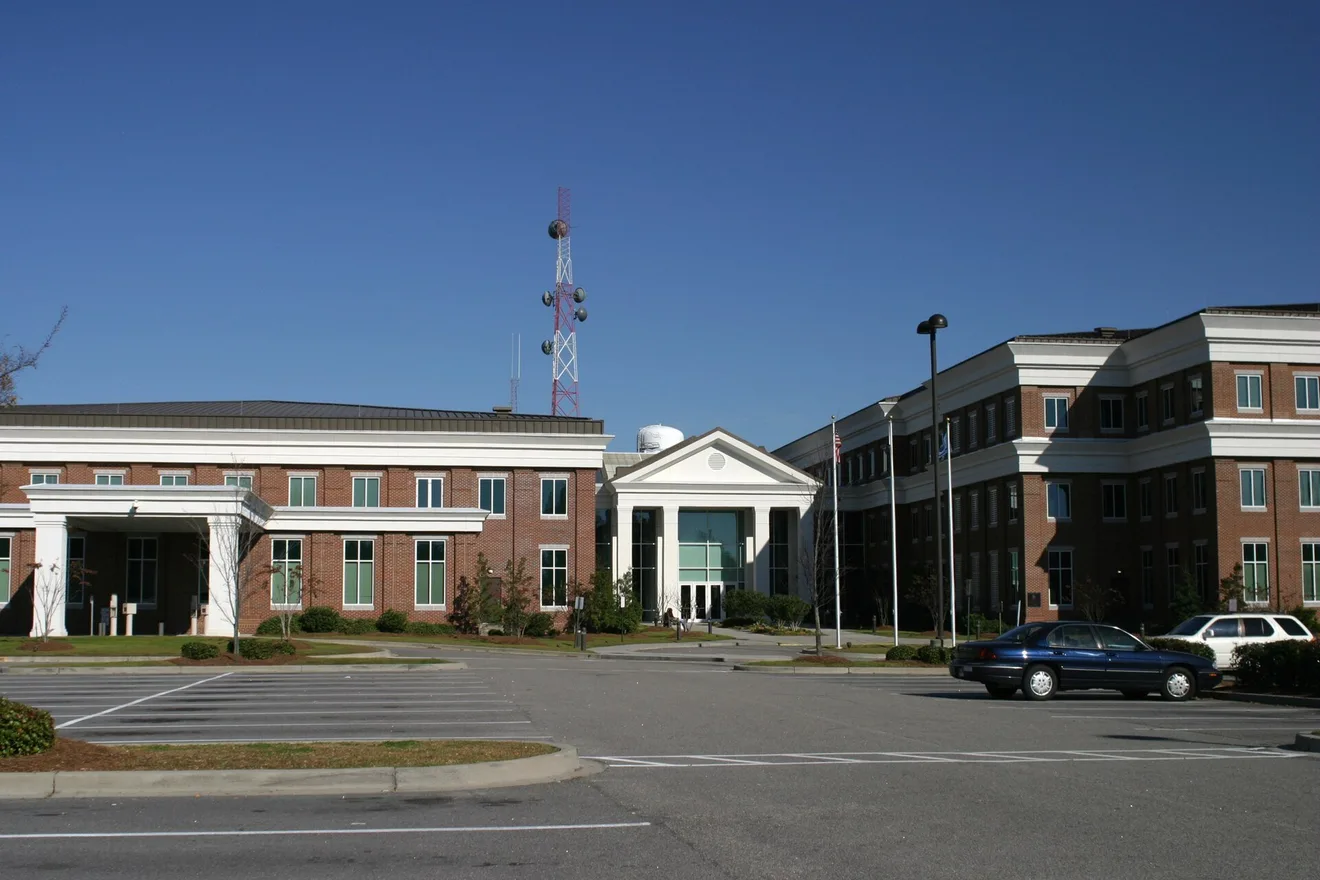
Builders, nonprofits and local governments that want to put up or fix up affordable homes along the Grand Strand and inland have until Nov. 19 to apply for the next round of federal HOME money through the Horry County HOME Consortium (via Horry County).
The consortium is taking applications for two kinds of projects on that deadline, due by 5 p.m.: affordable homeownership housing and tenant-based rental assistance. A third pot, for affordable rental development, is open on a rolling basis until the money runs out or the county stops taking applications. Community Housing Development Organizations, or CHDOs, can also apply for certification.
The consortium was formed in 2018 and covers three counties, Horry, Georgetown and Williamsburg, plus 12 towns and cities including Myrtle Beach, Conway, Georgetown, Andrews, Kingstree and Loris, according to the county's HOME program page. Horry County is the lead agency.
The county's release doesn't say how much money is on the table this round. But the consortium's draft 2026-27 Annual Action Plan expects a HOME grant of about $984,000 for the year that started July 1. The plan budgets roughly $247,000 for new homeowner housing, $200,000 for owner-occupied rehab, $150,000 for rental assistance, $92,000 for rental development and about $148,000 set aside for CHDO projects, with the rest going to administration and CHDO operating support. On paper, that works out to a handful of units: about four new homeowner units, four rehabs and two rental units, plus rental help for 15 households.
The homeownership pot covers acquiring, building, rebuilding or rehabbing affordable single-family homes. Rental development money can go toward new construction, rehab, reconstruction, conversion or acquisition of affordable rental housing. The program can also cover financing costs and temporary relocation.
HOME comes with strings attached. Under the federal program, homeowner units have to serve households earning no more than 80% of the area median income, and most HOME-assisted rental units have to serve households at or below 60%, according to a National Low Income Housing Coalition program guide. Projects also carry affordability periods that can run 20 years for new rental construction.
Local money has to be part of the deal. The consortium's plan says each recipient must match its award with permanent, non-federal contributions worth 25%, and applicants have to show evidence of that match when they apply. Waivers depend on available match funds.
Applications, attachments and the CHDO certification form are posted on the county's Community Development public notices page. The consortium doesn't fund homeowners or tenants directly; it works through the organizations that win awards.
Why it matters for Contractors
This isn't a big pot, and it won't change the market in Horry, Georgetown or Williamsburg counties. But for a small builder or remodeler, it's a real pipeline. The consortium's own page lists for-profit developers as eligible, so a small builder with a lot and a plan for an affordable single-family home can apply directly. Shops that don't want to run the paperwork can partner with a nonprofit or CHDO that's applying and handle the construction or rehab.
If you go after it, budget time for the federal rules. Line up your 25% match before you apply, price in the income limits on who can buy or rent, and expect inspections and record-keeping that a private job wouldn't need. The Nov. 19 deadline is a little over three weeks out, so if you're thinking about it, download the application now and call the county's Community Development office with questions.