Five Washington homeowners who paid registered contractors for work that never got done are getting part of their money back. They're the first payouts from the state's new Homeowner Recovery Fund, and the Department of Labor & Industries says it has approved five applications and sent out more than $115,000 so far, with a cap of $25,000 per applicant (via Washington L&I).
The fund opened July 1 under a law the Legislature passed in 2023. L&I says the money comes from fines and penalties collected under the state's Contractor Registration Act, and the agency told the Building Industry Association of Washington during rulemaking that the program is aimed at ensuring there's no financial impact on compliant registered contractors.
Until now, a homeowner who got burned by a registered contractor could make a claim against the contractor's bond, sue, and hope the judgment actually got paid. The fund adds a backstop for the part that often doesn't.
The first two cases
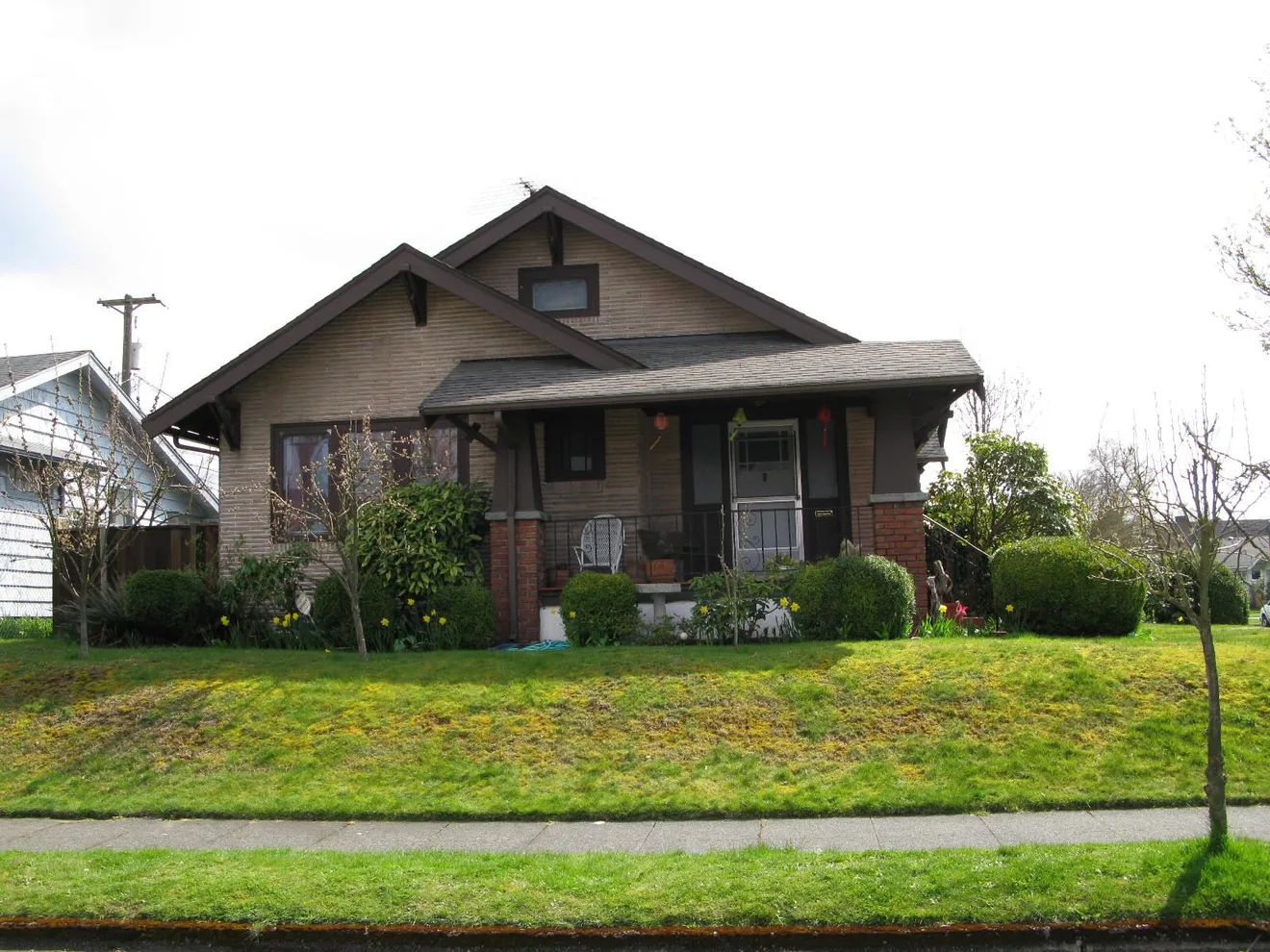
In Tacoma, Dan Morrill went looking for new siding on his 100-year-old house in February. He collected three bids and picked a registered contractor at about $75,000, then wrote a $32,000 check as a down payment. Months went by and no work happened. L&I says that contractor took money from Morrill and dozens of other homeowners. Morrill applied to the fund in August and is getting $25,000, according to L&I and KIRO 7, which reported on the payouts Nov. 8.
In Spokane, Marina Ivankov's family paid close to $70,000 up front for an outdoor pool and spa before their registered contractor disappeared. She's also been approved for $25,000.
In both cases the homeowner is still short. Morrill put down $32,000 and gets $25,000 back; the Ivankovs paid roughly $70,000 and get the same $25,000.
Who qualifies
The rules are narrow, and they're worth knowing if a customer ever asks. According to L&I's program page and the statute, RCW 18.27.410, a homeowner has to:
- Own and live in the home where the work was done. That covers a single-family house or a building with four or fewer units. Condos are out.
- Have hired a contractor who was registered with L&I. Jobs done by unregistered contractors don't qualify.
- Sue the contractor in superior court and win a final judgment for actual damages, ordered after July 1, 2026.
- Go after the contractor's bond first, if there is one.
- Apply within 90 days after the court case ends.
Payments cover actual damages only. Attorney fees, court costs and punitive damages aren't reimbursed. The cap is $25,000 per contractor per property, or whatever's still unpaid on the judgment if that's less. Total payouts in a fiscal year can't exceed 80% of the fund's balance at the end of the prior year, so if the money runs short, applicants go on a waitlist.
L&I says it takes about 14 business days to review an application, and an approved homeowner signs their judgment rights over to the state before getting paid.
The contractor still owes it
A payout doesn't let the contractor off the hook. Under the statute, L&I steps into the homeowner's shoes on the judgment and can pursue the contractor for what the fund paid, plus interest. The agency can set up payment plans of up to 36 months, and plans longer than 12 months carry interest. Paying the state back also doesn't end any other enforcement action L&I takes against that contractor.
Why it matters for Contractors
If you're registered and doing the work you're paid for, this program isn't aimed at you, and it isn't funded out of your pocket. What it does is give homeowners a reason to check that a contractor is registered before they sign, since an unregistered contractor's customers can't use the fund at all. Expect more customers to look you up on L&I's ProtectMyHome.net lookup, which shows registration, bond, insurance and history. It's worth making sure yours is current and clean.
It also puts deposits under a brighter light. Both of the first cases started with a big check written before any work began. For a small shop, that's a good prompt to tie deposits and draws to clear milestones in writing, so a customer can see where their money is going.
And if a job ever does end in a judgment against you, the state can end up as the one collecting it, with interest. Questions about the program go to HRF@Lni.wa.gov or 360-902-5699.