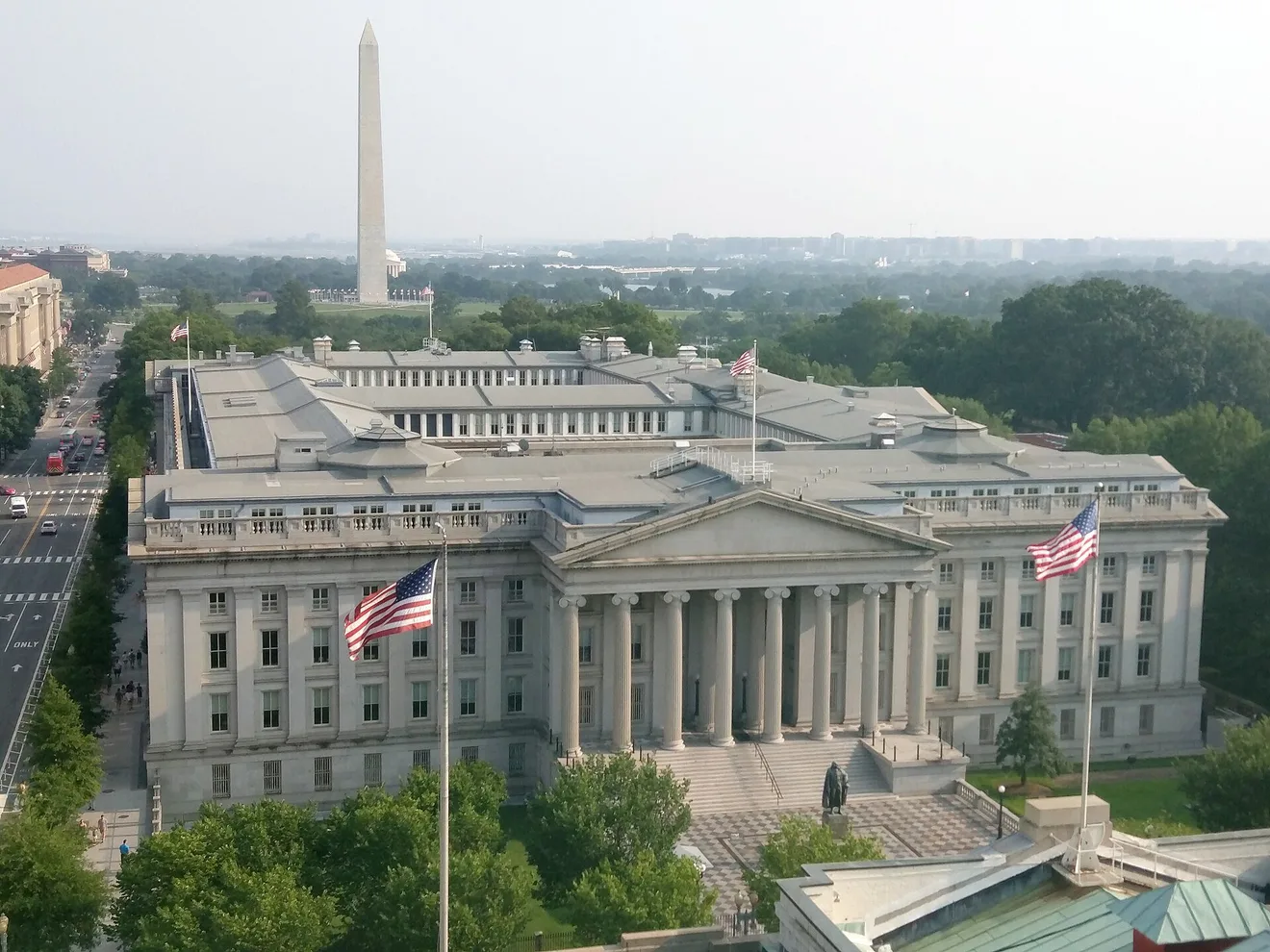
The map that steers a big pool of tax-advantaged investment is about to be redrawn. The U.S. Treasury Department and IRS announced Nov. 5 that 6,576 census tracts across all 50 states, the territories and Washington, D.C., have been designated as new Qualified Opportunity Zones, effective Jan. 1, 2027, for ten years (via U.S. Treasury).
That matters to builders because Opportunity Zone money, raised from investors deferring capital gains, often ends up in real estate. Where the zones are can shape where some housing, mixed-use and commercial projects get financed for the next decade.
How the new map came together
The new zones come from the 2025 tax law that Treasury calls the "Working Families Tax Cuts" and the IRS calls the One, Big, Beautiful Bill Act. It made the Opportunity Zone incentive permanent, added extra benefits for rural areas and set up a process to redraw the map every ten years.
Treasury released a list of 25,332 eligible tracts in April, 8,334 of them rural. Governors and the D.C. mayor started making nominations July 1, and 130 more tracts became eligible during the nomination window. In the end, 6,576 tracts were nominated, 2,594 of them rural, and all were designated. Treasury Secretary Scott Bessent said in the release that the law gives investors, entrepreneurs and local leaders the long-term certainty they need to commit capital to overlooked communities. Fox Business separately reported the same totals.
The new list is smaller than the old one. The IRS counted 8,764 zones under the original program, 3,309 of them all-rural, so the new map has roughly a quarter fewer tracts. The Economic Innovation Group, a think tank that tracks the program, notes eligibility is also tighter now: generally tracts with median family income below 70% of the area median, or a poverty rate of at least 20% with income capped at 125% of the area median. The old rule letting some neighboring tracts qualify is gone.
Old zones don't vanish right away
Here's a detail that's easy to miss. Under IRS Notice 2026-40, the original zones stay in effect through Dec. 31, 2028, while the new ones run from Jan. 1, 2027, through Dec. 31, 2036. That two-year overlap gives projects in old zones some runway.
For investments made on or after Jan. 1, 2027, the notice lays out the new terms:
- Deferred gains become taxable at the earliest of a sale, another triggering event or five years after the investment.
- Holding the investment at least five years gets a basis step-up equal to 10% of the deferred gain, or 30% for a qualified rural opportunity fund.
- Holding at least ten years lets the investor elect to set basis at fair market value, which can wipe out tax on the investment's own gains, at the earlier of a sale or 30 years after the investment.
There's also a construction-friendly change for rural areas. The IRS says the "substantial improvement" test for existing buildings in all-rural zones dropped from 100% to 50% of the property's basis. In other words, a rehab in a rural zone has to put in about half as much new money as before to qualify.
How to check a site
The CDFI Fund, part of Treasury, posted the full designation list on Nov. 5 along with a mapping tool. To check a property, run the address through the Census Bureau's geocoder to get its tract number, then look the tract up on the CDFI Fund's map or list. The CDFI Fund says it can't confirm whether a particular investment is in a zone, so confirm with a tax adviser before anyone counts on it.
Why it matters for Contractors
Most small builders won't raise an Opportunity Zone fund, but the investors and developers who do will be lining up projects in these tracts, and they need GCs and subs. If your market has new zones, expect more deal activity there over the next few years, and get to know the local developers and lenders who play in that space.
Rehab work is the sweet spot. The program rewards substantially improving existing buildings, and the lower bar in rural zones could make small-town renovation projects pencil out where they didn't before. Look up the tracts where you work, and if you own land or buildings in one, talk to your accountant before Jan. 1. Old-zone projects still have until the end of 2028.