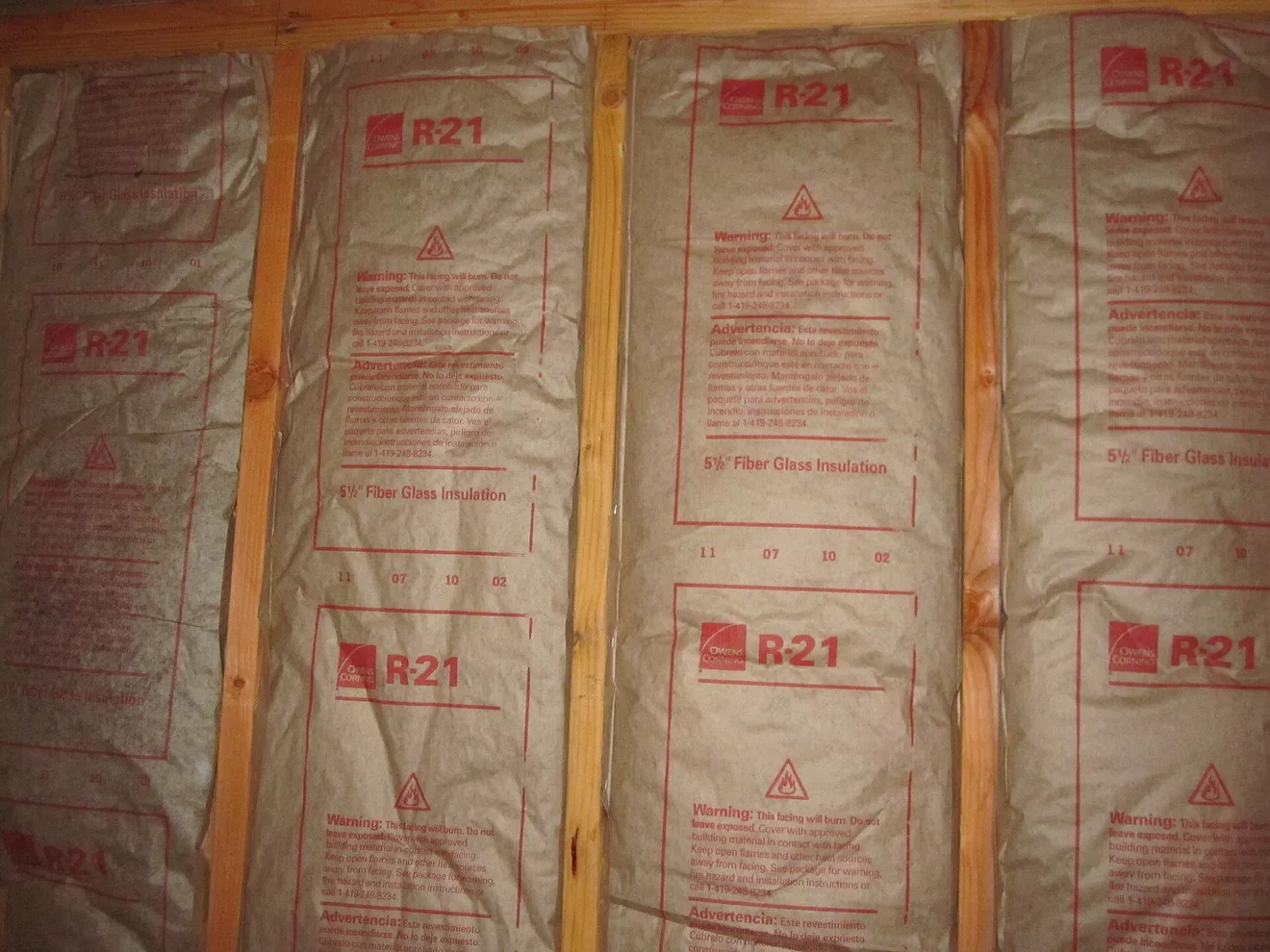
Owens Corning plans to raise U.S. prices on its fiberglass building insulation by 8% across most of the line, and by 15% on a handful of accessory kits, for shipments on or after Jan. 15, 2027, according to a Nov. 12 letter to insulation customers (via Owens Corning letter posted by Performance Pro Supply). No copy turned up on Owens Corning's own website, so the details here come from the distributor-posted letter.
The 8% bump is broad. It covers all batts and rolls, all manufactured housing products, basement blanket, all loosefill and attic vents. In other words, nearly everything a framer, insulation sub or remodeler would pull off the truck for walls, attics and crawlspaces.
The steeper 15% increase lands on three smaller items: the attic stairway fiberglass insulation kit, garage door insulator kits and the ComfortSeal sill and framing gasket. Those are low-dollar parts on any single job, but they tend to show up on a lot of jobs, especially energy-upgrade and remodel work.
For anyone who hasn't handled them, the ComfortSeal gasket is a polyethylene foam strip that goes between the foundation and the bottom plate, or between studs, plates and drywall, to cut air leakage, according to Owens Corning's product page. The garage door kit is an R-8 faced fiberglass kit with eight panels and fasteners, sized to do one single-car metal door up to 9 feet wide by 7 feet 4 inches high, the company's product page says.
The letter, signed by Mike Swift, vice president and general manager of North American building insulation, carries two warnings worth noting. Owens Corning says it reserves the right to limit quantities ahead of the increase, which makes it harder to load up at old prices. And new price sheets are supposed to go out before the effective date, with area sales managers walking customers through them.
The timing follows a mixed quarter for the business. On the company's Nov. 4 third-quarter earnings call, Chief Financial Officer Jonathan Collins said Insulation sales came in around $1 billion, up about 6% from a year earlier, with roughly $215 million in EBITDA. But North American residential revenue was about flat, he said, "as stronger volumes were partially offset by previously implemented pricing actions." He also said inflation, including transportation, outran pricing, leaving the segment with negative price/cost.
President and Chief Operating Officer Todd Fister told analysts that soft single-family construction is weighing on the business, since a single-family house uses more insulation than a multifamily unit. For the fourth quarter, he guided to North American residential insulation revenue down low single digits. He added that "the channel has fairly normal inventory levels," meaning distributors aren't sitting on a pile of cheap stock.
Collins also told analysts that "the ability to do something on price in the short term is somewhat limited," with 2027 pricing still under evaluation at the time of the call. The customer letter went out eight days later. Whether the full 8% sticks in a slow single-family market is an open question; announced increases don't always land at the full number.
Why it matters for Contractors
If you've got jobs bid now that won't get insulated until late January or later, check your numbers. An 8% jump on batts and blown-in can matter on a whole-house job, and 15% on gaskets and attic hatch kits adds up for shops doing a lot of air-sealing or energy retrofit work.
Call your supplier now and ask two things: what their own pass-through will look like, and whether they can hold current pricing on material for jobs that start before Jan. 15. With Owens Corning saying it may limit quantities, don't count on stocking up, and don't assume a quote you got this fall holds past mid-January.
For new contracts, consider a material escalation clause or a short quote validity window, and give homeowners a heads-up that insulation costs are moving. If a customer is on the fence about an attic or garage upgrade, it's fair to tell them pricing changes in January.