If your shop builds cabinet boxes, built-ins or shelving out of imported hardwood plywood, the cost math just changed for good. The Commerce Department has made its antidumping and countervailing duty orders on hardwood and decorative plywood from China, Indonesia and Vietnam official, with both notices published in the Federal Register on Nov. 17, 2026 (via the U.S. Department of Commerce).
The orders cap a trade case that started on May 22, 2025, when a group of U.S. mills calling itself the Coalition for Fair Trade in Hardwood Plywood filed petitions. Its members are Columbia Forest Products of Greensboro, N.C., Commonwealth Plywood of Whitehall, N.Y., Manthei Wood Products of Petoskey, Mich., States Industries of Eugene, Ore., and Timber Products Company of Springfield, Ore.
Commerce issued its final rulings in July. On Aug. 19, the U.S. International Trade Commission voted that domestic producers were being hurt by the imports. Three commissioners voted yes and two didn't take part. That vote is what allowed the orders to issue.
There are two separate duties here. Antidumping duties target goods sold in the U.S. below fair value. Countervailing duties offset foreign government subsidies. Importers post cash deposits under both.
China takes the hardest hit. Every Chinese producer and exporter named in the case, plus the China-wide rate, carries a dumping margin of 187.27%, with a cash deposit rate of 185.96% after a subsidy adjustment. The subsidy rate for China is 88.96% across the board. Add the two deposit rates together and Chinese panels face deposits of roughly 275% of their entered value.
Vietnam's dumping margin is 90.12% for every listed company and the countrywide rate, with a cash deposit rate of 84.95%. Most Vietnamese exporters also face a 47.68% subsidy rate, though one company, Junma Phu Tho, drew 165.39%.
Indonesia is the most mixed. Most exporters get an 18.10% dumping margin (18.06% cash deposit) and a 40.87% subsidy rate. Individual companies range widely. PT Sengon Indah Mas drew a subsidy rate of just 4.22%, while PT Mustika Buana Sejahtera was hit with 84.94% for dumping and 128.66% for subsidies.
Those rates aren't new as of this month. According to the orders, Customs resumed collecting deposits on Sept. 9, 2026, the day the trade commission's final decision was published. The orders also spell out stretches earlier this year when certain entries escape duties because provisional measures had lapsed.
China gets the headlines because of the triple-digit numbers, but it was the smallest of the three suppliers going in. Commerce's figures from the start of the case show 2024 imports of about $337.6 million from Indonesia, $251.6 million from Vietnam and $52.9 million from China. The agency noted those numbers may run high because they include some products outside the case.
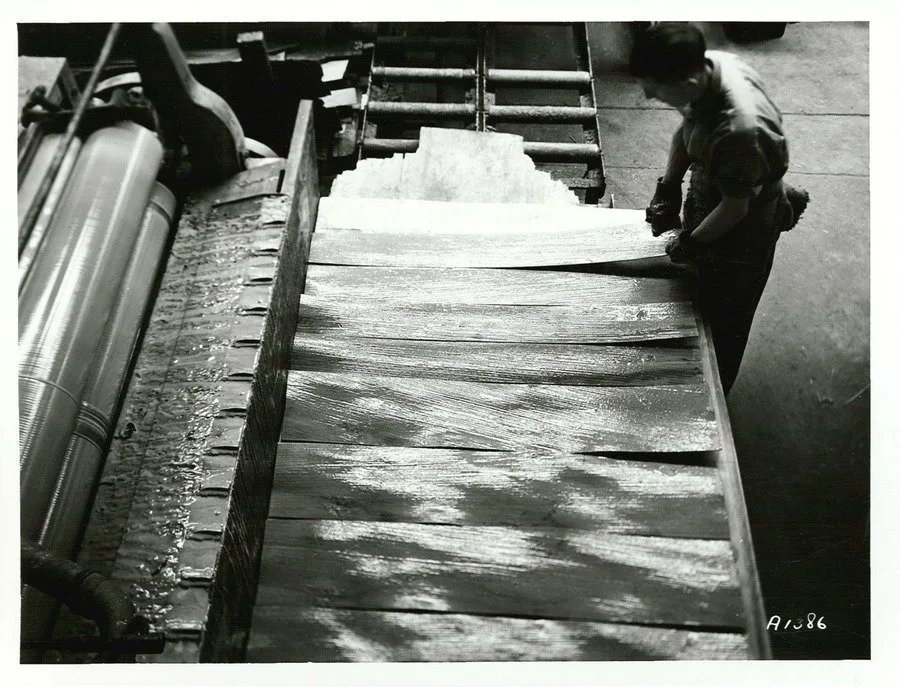
The orders reach flat, multi-ply hardwood and decorative plywood and veneered panels with at least one face or back veneer of hardwood, softwood or bamboo, no matter how the surface is coated.
Structural sheathing is out. The trade commission found imports of stamped and certified softwood structural plywood, and the "downfall" panels that don't make that grade, to be negligible, so those cases ended. Plywood certified to PS 1-22 or PS 2-18 is excluded from the orders.
Other exclusions include fully assembled and ready-to-assemble cabinets and furniture, finished tabletops and countertops, bamboo flooring, Phenolic Film Faced Plyform, and products already covered by earlier U.S. orders on Chinese hardwood plywood and multilayered wood flooring.
Why it matters for Contractors
The sheets most exposed are the ones that go into kitchens, baths, closets and finish carpentry: maple, birch and other veneered panels for cabinet boxes, built-ins, wall paneling and shelving. Certified structural sheathing and subfloor panels aren't part of this case.
For a small remodeling or cabinet shop, the practical step is to ask your lumberyard or panel supplier where its hardwood plywood comes from and whether its pricing already reflects these deposits. Imported sheets bought on older quotes may not. If you're bidding jobs that won't start for months, think about shorter quote windows or a material escalation clause for panel-heavy work.
It's also worth watching what happens to cabinet pricing. Assembled and ready-to-assemble cabinets are excluded from these orders, so a finished cabinet doesn't carry these particular duties even when a loose sheet of the same panel would. Keep that in mind when you're weighing whether to build boxes in-house or buy them.