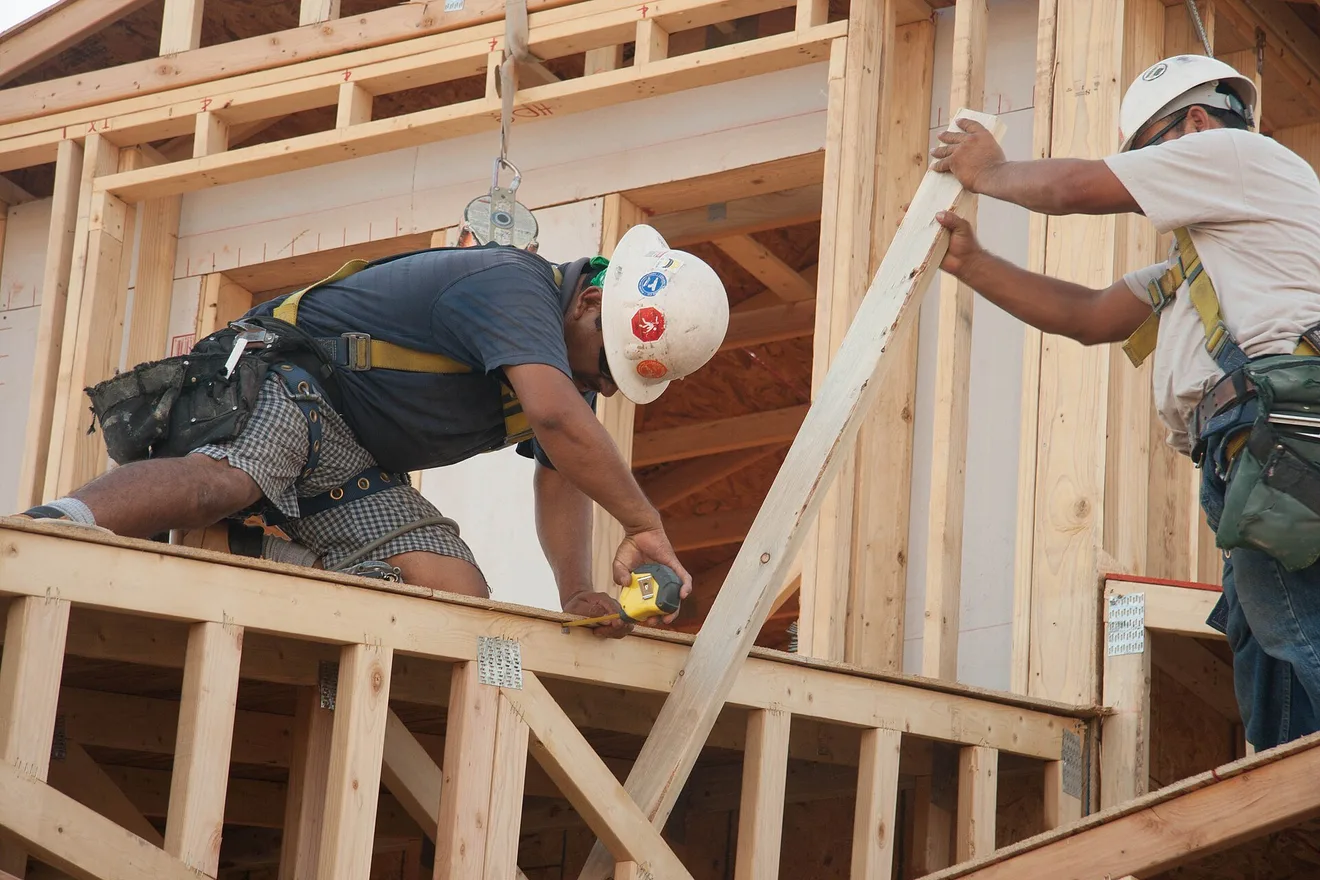
If you bought an Elk River harness because the label said "Made in the USA," the Federal Trade Commission says that label wasn't telling the whole story. On Nov. 17 the agency took action against the Cullman, Ala., maker of safety harnesses and fall-protection gear, alleging its American-made claims were false (via the Federal Trade Commission).
Elk River does final assembly in Alabama. But according to the FTC's complaint, filed in federal court in the Northern District of Alabama, most of the parts and materials come from overseas, including pieces that matter for how a harness works and keeps a worker safe: D-rings, carabiners, snap hooks and self-retracting lifelines.
The complaint puts numbers on it. Of the 143 components and materials in the company's harnesses, 68, or 52%, come from outside the U.S. The FTC counts 34 from Taiwan, 17 from China, eight from Vietnam, four from Japan, three from South Korea and two from Mexico.
The company sells about 130 harness models, mostly through dealers and distributors rather than directly to the workers who wear them. The complaint describes its customers as professional line workers, including construction and tower-climbing crews.
The claims showed up just about everywhere, according to the complaint. The company's homepage advertised fall protection harnesses, anchors and lanyards as made in the USA from at least June 2022 to June 2026. An online catalog carried a "MADE IN USA" footer on harness pages, trade-show flyers carried the same line, and social media posts used hashtags like #madeinusa and #madeinalabama. Harness labels said "Made in U.S.A." or "Made in the USA" from August 2021 until May 2026. The complaint says some authorized distributors repeated the claims, too, and that Elk River stopped only after the FTC started investigating.
Under federal rules, an unqualified "Made in USA" claim means the product is all or virtually all made here, with final assembly, significant processing and nearly all components sourced in the U.S. The FTC says Elk River's harnesses don't meet that bar.
Elk River agreed to a proposed settlement without admitting or denying the allegations. The order, which still needs a judge's signature, bars the company from making unqualified Made in USA claims unless a product actually qualifies, and from misrepresenting where its products come from. It sets a judgment of $4,367,640.74, but suspends all of it except $72,527.50 based on the company's finances. The full amount comes due if the company is found to have misrepresented its financial condition.
The order also requires Elk River to email customers who bought harnesses from Aug. 1, 2021 through June 10, 2026, telling them the harnesses "contain significant imported components, including imported D-rings." Money collected may go to consumer refunds.
Christopher Mufarrige, director of the FTC's Bureau of Consumer Protection, said in the release that American workers who use safety gear advertised as "Made in the USA" deserve to know those claims are "100% truthful." The commission voted 2-0 to file the case.
This is the FTC's fourth Made in USA enforcement action this year, according to the agency. Law firm McGuireWoods noted in a client alert that the $4.4 million judgment tops the previous record of $3.175 million set against Williams-Sonoma in 2024.
Why it matters for Contractors
Nothing in the FTC's complaint or order says Elk River harnesses are unsafe or defective. This case is about where the parts came from, not whether the gear holds. So there's no reason to pull a harness off the job because of this case alone. Keep inspecting fall-protection gear the way you always do and retire anything that fails inspection.
Where it matters is purchasing. Some crews pay more for American-made gear on purpose, whether it's a personal preference, a customer requirement or a spec on a job. If origin matters to you or your customer, don't take a label or a catalog footer at face value. Ask the supplier what's made where, especially for the hardware. If you bought Elk River harnesses since August 2021, watch for the company's settlement email, which goes to purchasers once the order is entered.