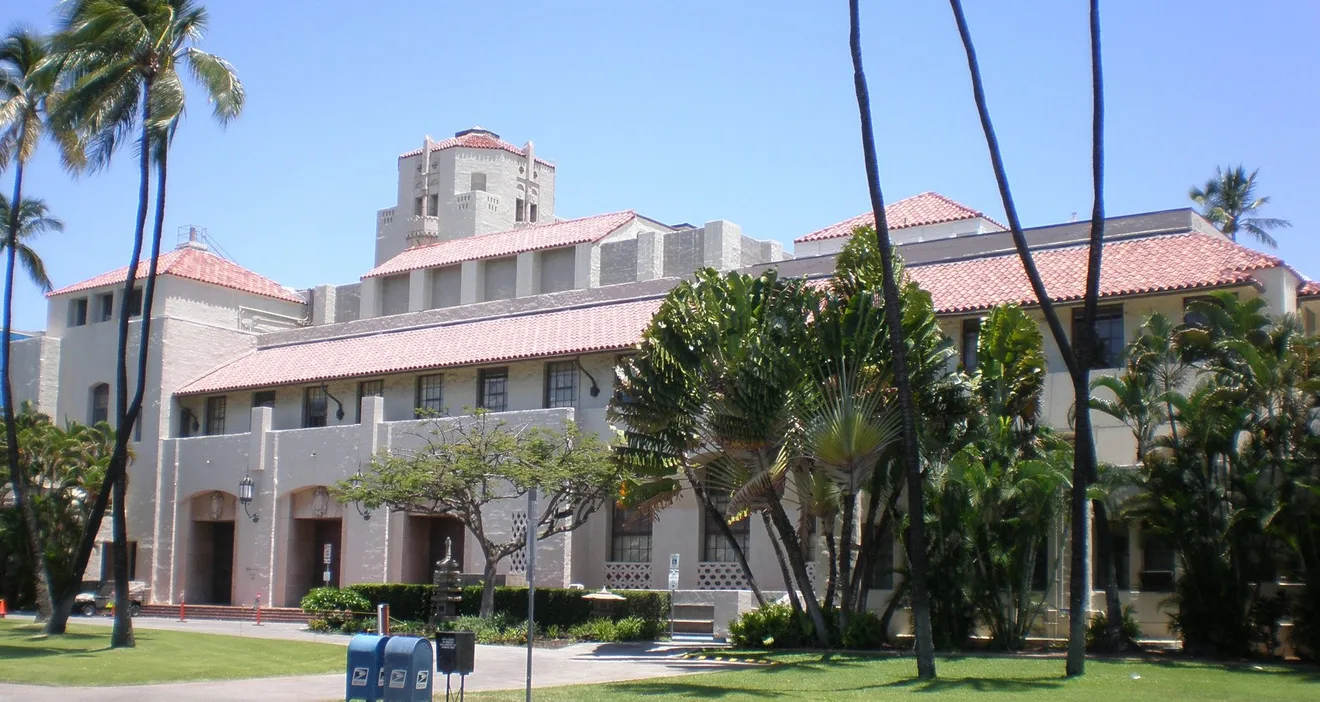
Honolulu is setting deadlines for the people who review building permits, not just the people who apply for them. The city's Department of Planning and Permitting says each reviewer will be expected to finish a residential technical review within two business days and a commercial one within 10, with a one-day limit on the initial completeness check (via Honolulu Department of Planning and Permitting).
There's a catch on timing. The standards don't kick in right away. DPP's Nov. 13 announcement gives participating city and state agencies six months to look at their staffing and procedures, and says that beginning May 10, 2027, the standards will become the expected performance for participating review groups.
The clocks apply to each review assignment in every review cycle, including when you resubmit corrected plans. They cover DPP's own review groups and participating city and state agencies. Private utilities and other outside entities are expected to work toward the same timelines, consistent with their own legal duties. DPP says it will track agency review time separately from the time applicants spend making corrections.
Why does this matter? Because a permit can't move until every required review is done, so one slow sign-off can hold up an entire application.
"Our permitting process is only as efficient as its slowest review, and that is something we are determined to improve," DPP Director Dawn Takeuchi Apuna said in the announcement.
"Delays drive up costs, slow down housing construction and hold back important investments in our community," said Mayor Rick Blangiardi.
The Honolulu Star-Advertiser, in coverage syndicated on Yahoo, reported that DPP says the deadlines don't guarantee a permit within those time frames, since applications can still go through several rounds of corrections. The release doesn't spell out penalties for agencies that miss the targets.
The move is the latest in a string of fixes at a department that's been under pressure for years. Hawaii Public Radio reported in September that the city's backlog stood at 9,252 applications, a count DPP says includes applications waiting on applicant revisions and old dormant permits. HPR reported average times from application to issuance for 2026 permits of 218 days for residential and 469 for commercial.
Some of the newer tools seem to be helping. Civil Beat reported in June that the median wait for a new building permit had dropped to about 2.5 months. Since Sept. 1, DPP has required its AI-assisted plan review tool, CivCheck, for new construction, additions and alterations on single-family homes, two-family homes, duplexes and ADUs. DPP said in June that projects using it averaged 32.5 days of review compared with 73 days without, though that comparison was based on a small sample of permits.
Why it matters for Contractors
Don't expect faster permits tomorrow. The review clocks don't become the expected standard until May 10, and they only cover the reviewers' time on each round. Every correction cycle you trigger still adds time, and the permit still waits on the slowest agency.
That means the best lever is still on your side of the counter: submit complete, clean plans so you need fewer rounds. For residential and ADU work, that means running plans through CivCheck, which DPP now requires anyway, and fixing what it flags before you submit.
Track where your application sits in HNL Build. Once the standards take effect, being able to see which reviewer is holding a permit, and how long they've had it, gives you something concrete to ask DPP about. DPP's main line is 808-768-8000.