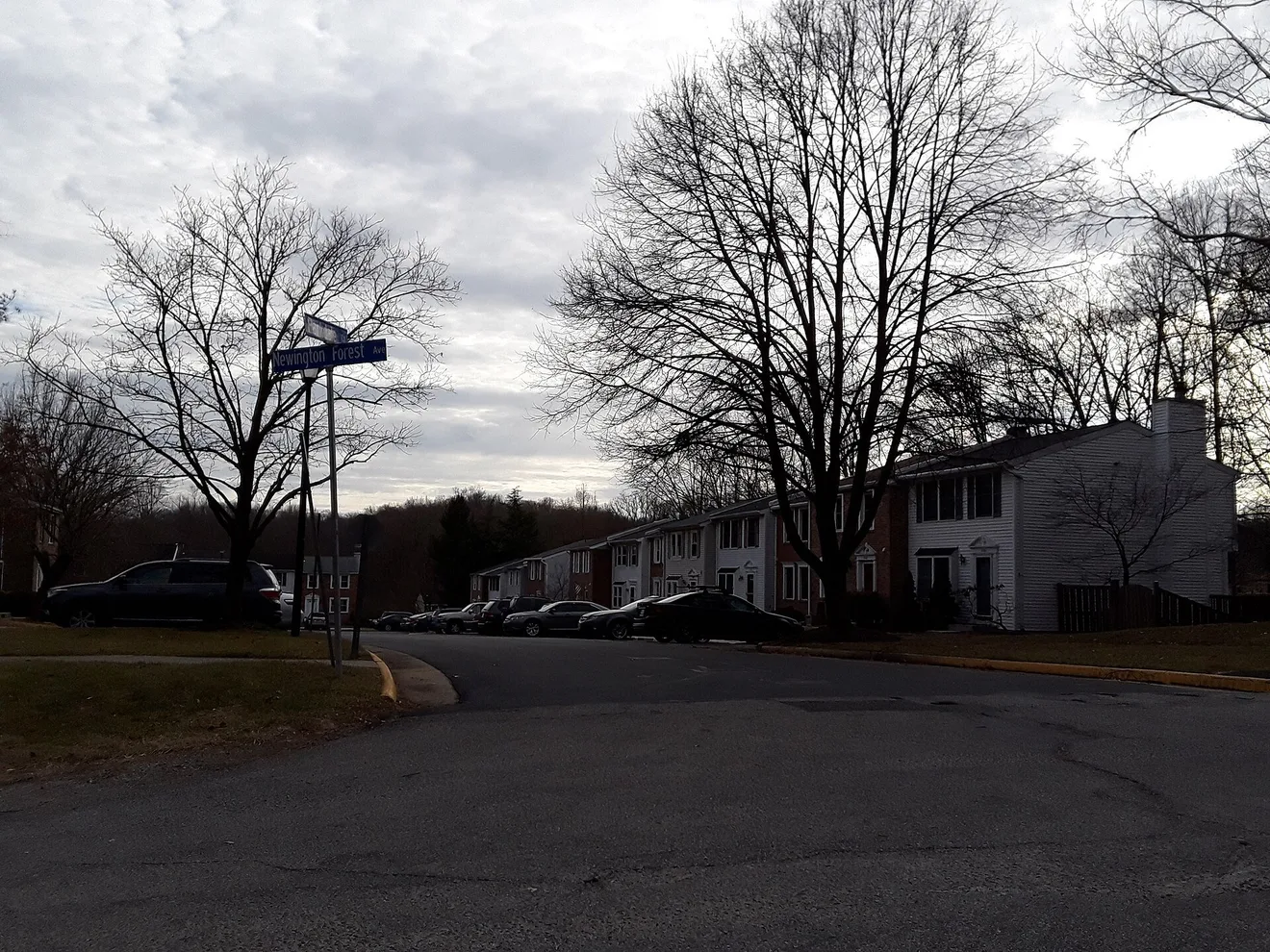
If you build townhouses, duplexes or small apartment projects in Fairfax County, the parking math just changed near transit. The county has written Virginia's new statewide parking limits into its Zoning Ordinance (via Fairfax County).
The Board of Supervisors adopted the amendment Oct. 27, and it took effect Oct. 28, according to the county's 2026 Code of Virginia updates page. The state rules behind it, from House Bill 888, have been in force since July 1.
Here's what the law does. In what it calls a designated area, any parcel within half a mile of the entrance to a mass transit or public transportation station, a locality can't require more than a set amount of parking as a condition of zoning approval:
One-family homes, two-family homes and townhouses: no more than 1 space per dwelling unit.
Multifamily and mixed-use residential: no more than 0.5 space per dwelling unit.
Those are ceilings on what the county can demand, not a cap on what you can build. If your buyers want a two-car garage, nothing stops you from giving them one.
The definition of a station matters. Under the state code, it's a building or enhanced structure where the public boards or gets off. The county notes that a bus stop with a structured shelter doesn't count. The law also leaves out things like school buses, microtransit and charter services. Fairfax has posted an interactive map showing where the designated areas are, and that's the first thing to check on any site.
To make it work, the county added a new "Designated Area" tier to the parking framework in Section 6100.5 of its ordinance.
Outside those half-mile zones, there's a second change. The state law requires localities with more than 20,000 people to set up an administrative process that lets an applicant cut required parking by at least 20%. Fairfax says it met that by raising its existing transit-related adjustment in Section 6100.6.C.(2) to 20%, keeping the criteria it adopted in 2023.
The parking piece was one of eight state-law changes the county folded into its ordinance in the same package. One more worth knowing about for residential builders: manufactured homes are now allowed in every district that allows site-built houses, under HB 655 and SB 346.
The county says its online code, EnCode, will be updated in the coming weeks. Questions go to Michael Davis, the county's parking specialist, at 703-324-3065.
Why it matters for Contractors
Parking eats land, and on infill lots it's often the thing that decides how many units fit. Dropping a townhouse requirement to one space per unit near a station can free up room for another unit, more yard, or a cheaper site layout with less paving and stormwater work.
Before you redraw anything, pull up the county's designated-area map and confirm the half-mile is measured to a station entrance that actually qualifies. A sheltered bus stop down the street won't get you there.
If your lot sits outside the zones, ask about the 20% administrative reduction early in design. It's a staff-level process, not a public hearing, but it still has criteria you'll need to meet.
And if you've got a project in review right now that was drawn to the old ratios, it may be worth a call to see whether the new caps help you.