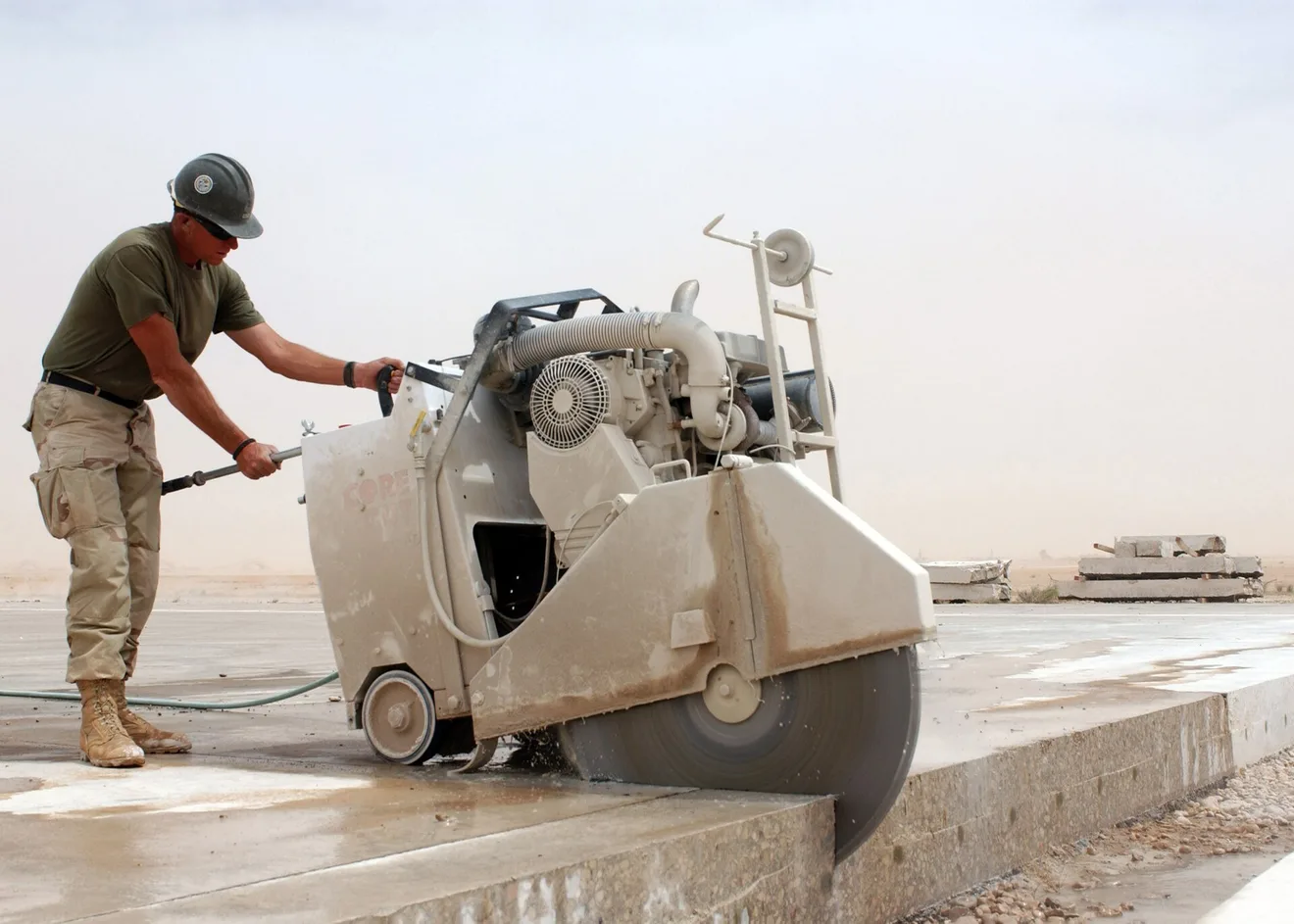
The antidumping duties on diamond sawblades from China aren't going anywhere. The U.S. International Trade Commission voted Oct. 21 to keep the order in place, finding that lifting it would likely hurt U.S. blade makers again (via U.S. International Trade Commission).
If you cut concrete, masonry, stone or tile, this is the order that's been shaping the price of the blades on your saws since 2009. Commerce first published it on Nov. 4, 2009, according to the Federal Register, and it covers diamond sawblades and parts of them imported from China.
Under federal trade law, an antidumping order has to come off after five years unless two agencies agree it's still needed. The Commerce Department has to find that dumping would likely continue or come back, and the ITC has to find that U.S. producers would likely be materially injured again.
Both did. Commerce went first. In final results published July 6, it concluded that revoking the order would likely lead to more dumping, at margins of up to 164.09% for China. No Chinese exporter or other respondent filed a substantive response in the review, so Commerce handled it on an expedited basis.
The ITC followed the same fast track. In June, the commission found that the U.S. industry's response to the review notice was adequate and the foreign side's wasn't, which meant no hearing and no full investigation. Commissioners relied on earlier decisions, the responses that came in, staff data and Commerce's findings. The Oct. 21 vote was unanimous among those taking part: Chairman Brett W. Doyle and Commissioners Jason E. Kearns, Peter-Anthony Pappas, Bart Thanhauser and David Foley Jr. voted yes, and Commissioner Samuel T. Negatu didn't participate.
This was the order's third sunset review, Inv. No. 731-TA-1092. The ITC's full public report, Publication 5807, is due by Nov. 25.
Keeping the order doesn't set a new duty rate on its own. The cash deposit an importer pays on a given shipment depends on the exporter and on Commerce's periodic administrative reviews, and the 164.09% figure is the margin Commerce said would likely return if the order were lifted, not a new across-the-board tariff. The decision is about holding the status quo.
Why it matters for Contractors
For most small shops, the practical effect is that nothing changes, and that's the news. The blades on the shelf at your supplier won't suddenly get cheaper because the duties came off, and they won't jump because of this vote, either. Prices you're paying now already reflect an order that's been in place for 17 years.
If you buy a lot of blades, it's worth knowing where yours come from. Imported Chinese blades and parts carry antidumping duties, and the rate varies by exporter. When a supplier quotes a price that looks too good, ask where the blade is made. For most crews, though, the smarter move is the usual one: match the blade to the material, take care of it, and track how many cuts you really get out of it rather than chasing the lowest sticker price.