If you've priced a wire or conduit package lately and wondered whether your supplier made a mistake, it probably didn't. Electrical distributor Border States says copper ran 35% higher in October than a year earlier, 3/4-inch steel was up 31% and 4-inch PVC was up 21%, according to its Nov. 9 commodity update (via Border States). Aluminum was the mild one at 9%.
Those are Border States' own comparisons, October 2025 to October 2026, and they reflect what an electrical supply house is seeing on the products it sells. Federal price data points the same direction, though the size of the jumps varies a lot by product.
Copper cooled off in October, but only a little. Border States says prices eased after record highs in September, a month when suppliers pushed through two increases on copper wire, and October brought one more. The London Metal Exchange average for October was about $6.59 a pound, nearly 36% above a year earlier, per the update. The 2026 year-to-date average is $6.15 a pound, compared with $4.51 for 2025, and COMEX copper opened at $6.25 the morning the update went out.
The distributor credits strong demand, hyperscale data center construction and mine disruptions, including a major miner's Chilean output falling to its weakest third quarter in nearly 20 years after extreme winter weather.
Government numbers back up the trend. The Bureau of Labor Statistics producer price index for copper wire and cable, as posted on the St. Louis Fed's FRED database, was about 31% higher in September 2026 than in September 2025. The Associated General Contractors of America, working from the same BLS data, said copper and brass mill shapes rose 30% over that stretch.
On steel, Border States says suppliers opened November with increases of 5% to 10% across categories, with data center demand straining mill capacity and keeping backlogs and lead times long.
AGC's read of the September federal data had steel mill products up 27.6% year over year and aluminum mill shapes up 25.2%, a much bigger aluminum jump than the 9% Border States reported for its own products. The narrower BLS index for steel pipe and tube was up about 13%. AGC chief economist Ken Simonson said in the group's Oct. 15 release that "lead times for key steel components have lengthened, making it harder for contractors to keep projects on schedule." Overall, AGC said input costs for new nonresidential construction climbed 11.9%, the largest increase in four years.
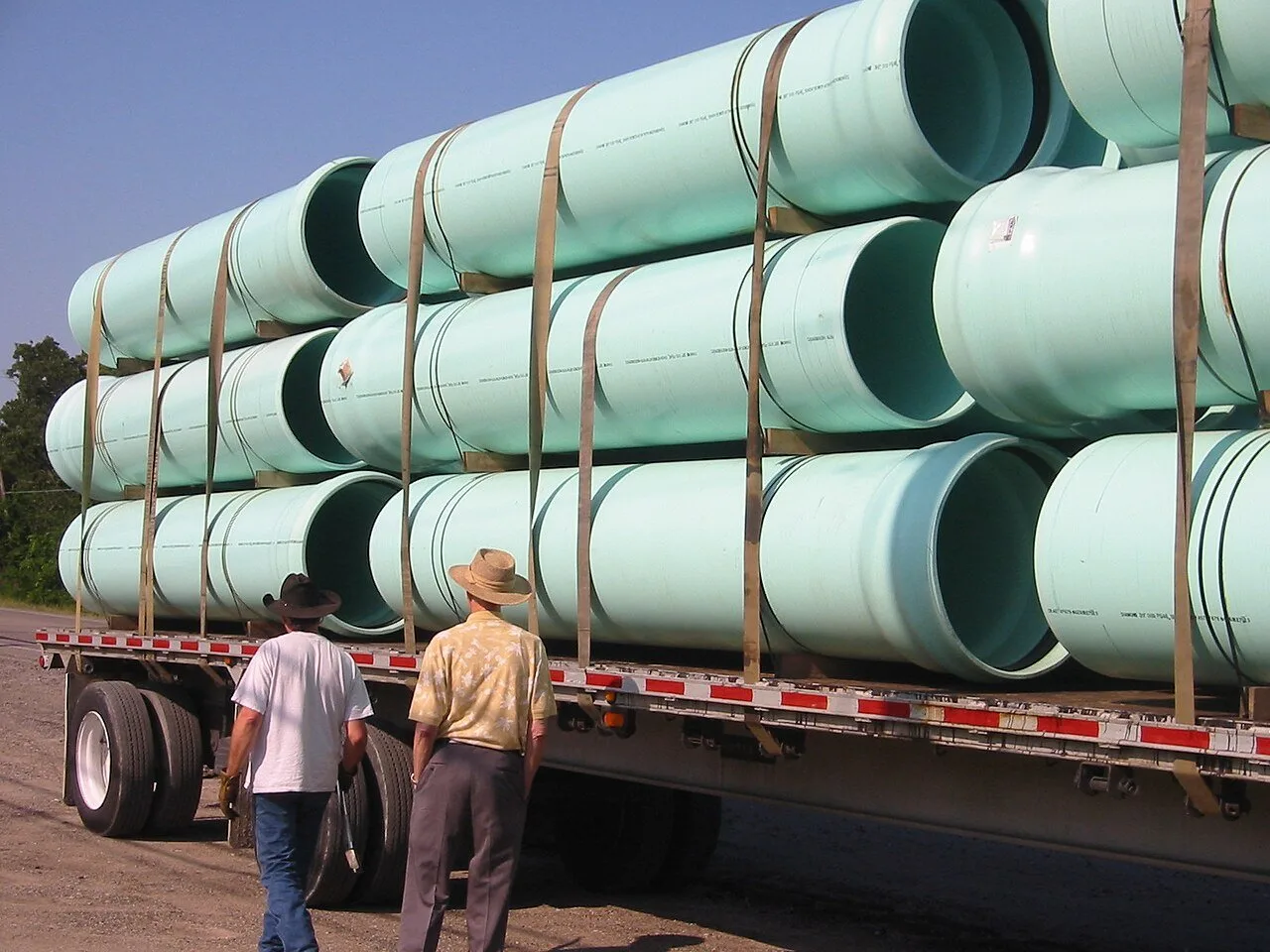
PVC makers announced price increases at the start of November, which Border States ties to stubbornly high resin costs and heavy demand from data center projects that use huge volumes of conduit and pipe. Current lead times, per the update, run 2 to 4 weeks for 2-inch and smaller pipe and 8 to 12 weeks for 3-inch and larger.
That 21% figure for 4-inch PVC is steeper than what shows up in federal producer prices. The BLS plastics pipe index was up a little under 4% from September 2025 to September 2026, according to FRED. The two numbers measure different things, a broad index of manufacturer prices versus one distributor's pricing on one size, and the federal series doesn't yet reflect October or the November increases.
Why it matters for Contractors
For a small electrical or plumbing shop, the biggest exposure usually isn't today's price. It's the gap between the day you quote and the day you buy. With copper wire seeing multiple increases in a single month this fall, and steel and PVC suppliers raising prices again in November, a bid priced off a September material list may already be underwater.
Shorten how long your quotes are good for on wire-, conduit- and pipe-heavy work, and put that window in writing. If you're signing a job where material won't be bought for a couple of months, ask for a material escalation clause tied to your supplier's invoices or a published index, and get it into the contract before work starts, not after the next price jump.
On bigger jobs, ask your supply house whether it will hold pricing on a released order, or buy the copper early if the customer will cover it with a deposit.
Lead times matter as much as price. If a job calls for 3-inch or larger PVC, an 8 to 12 week wait means ordering at contract signing, not at rough-in. Data center work is soaking up a lot of that larger-diameter product, and a five-person shop isn't going to win an allocation fight with a hyperscale project.
And talk to customers early. Homeowners and small commercial clients take a price change a lot better when you warned them about volatile materials up front.