Prices for the goods that go into new nonresidential construction climbed 13.3% between October 2025 and October 2026, the biggest one-year jump in more than four years, according to an Associated General Contractors of America analysis of federal producer price data released Nov. 13 (via AGC).
The headline number is driven by fuel and metals, but AGC's point is that the increases are no longer staying in those lanes. Freight, concrete products and asphalt are all up too.
Here's how the year-over-year numbers break down in AGC's analysis:
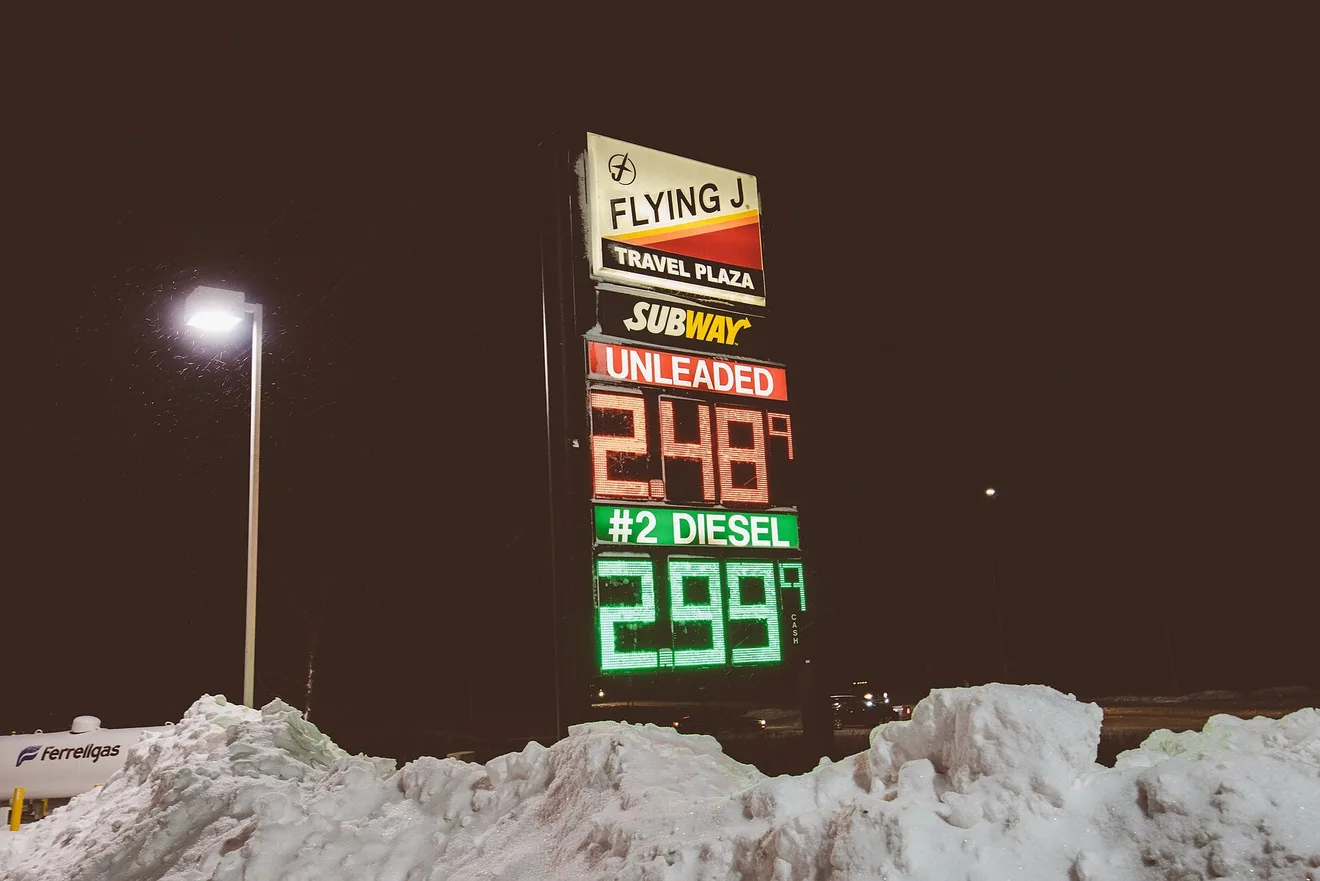
Diesel fuel, measured at the refinery and terminal level, is up 115.2% from a year earlier, even after slipping 4.6% from September. Truck freight costs rose 24.6%, which AGC ties to fuel surcharges. Steel mill products are up 32.9%, copper and brass mill shapes 23.9% and aluminum mill shapes 23.3%. Liquid asphalt rose 11.5% and precast concrete products 9.9%.
AGC also says its members are seeing longer lead times for structural steel, the beams and shapes used in building frames, and for mineral wool insulation.
"Construction firms are experiencing ever-greater impacts from tariff- and Middle East turmoil," said Ken Simonson, AGC's chief economist. AGC notes that tariffs of up to 50% were placed on metals in 2025, and it is pressing the administration to settle the trade disputes behind them. The group is also asking Congress to restore full road and bridge funding before the current partial extension runs out on Dec. 11.
The month-to-month picture is calmer, and that's worth knowing before you reprice everything. The Associated Builders and Contractors, working from the same Nov. 13 Bureau of Labor Statistics release, said overall construction input prices were essentially flat in October compared with September, with nonresidential input prices up 0.2%. ABC put the year-over-year increase at 11.5% for both overall and nonresidential materials, using a different index than the one AGC cites.
"Construction input prices were unchanged in October due to falling oil and lumber prices," said ABC Chief Economist Anirban Basu. ABC reported crude petroleum down 10.3% for the month and unprocessed energy materials down 7.7%, while natural gas rose 3.7%. Basu still expects nonresidential input prices to keep rising in the months ahead, pointing to tariff-affected metals like iron, steel and copper.
The BLS release itself backs up the short-term dip in fuel. It shows diesel prices falling 7.9% in October and lumber prices also declining, while truck freight rose 3.9% for the month. Across the whole economy, BLS said final demand producer prices rose 0.3% in October and 6.5% over the past 12 months.
So both things are true at once: a hard year for materials, especially anything made of metal or hauled by truck, and a pause in October as oil and lumber eased.
AGC's figures cover nonresidential construction inputs, not residential. Still, much of the list, including diesel, freight, copper, steel and insulation, shows up on a remodeler's or home builder's invoices too.
AGC has also put out a new edition of its Construction Inflation Alert, a guide meant to help owners and public officials understand costs, lead times and labor availability.
Why it matters for Contractors
For a small shop, the useful takeaway isn't that prices are up. It's which prices are up, and how fast they could move again.
If your bids lean on copper wire or pipe, steel framing members, aluminum or anything delivered by truck, a quote you wrote last spring probably doesn't hold today. Shorten how long your proposals stay valid, or add a materials escalation clause that ties final pricing to supplier costs at the time of purchase. Fuel surcharges are worth spelling out separately, since diesel is the most volatile number on the list.
Lead times matter as much as price. If a job needs structural steel or mineral wool insulation, ask your supplier for a firm delivery date before you lock in a schedule with the customer.
And don't overcorrect. October was flat, and oil and lumber came down. Price what you're actually paying this month, and keep an eye on next month's BLS release. AGC's Construction Inflation Alert is also a handy document to show a client who's surprised by a number.