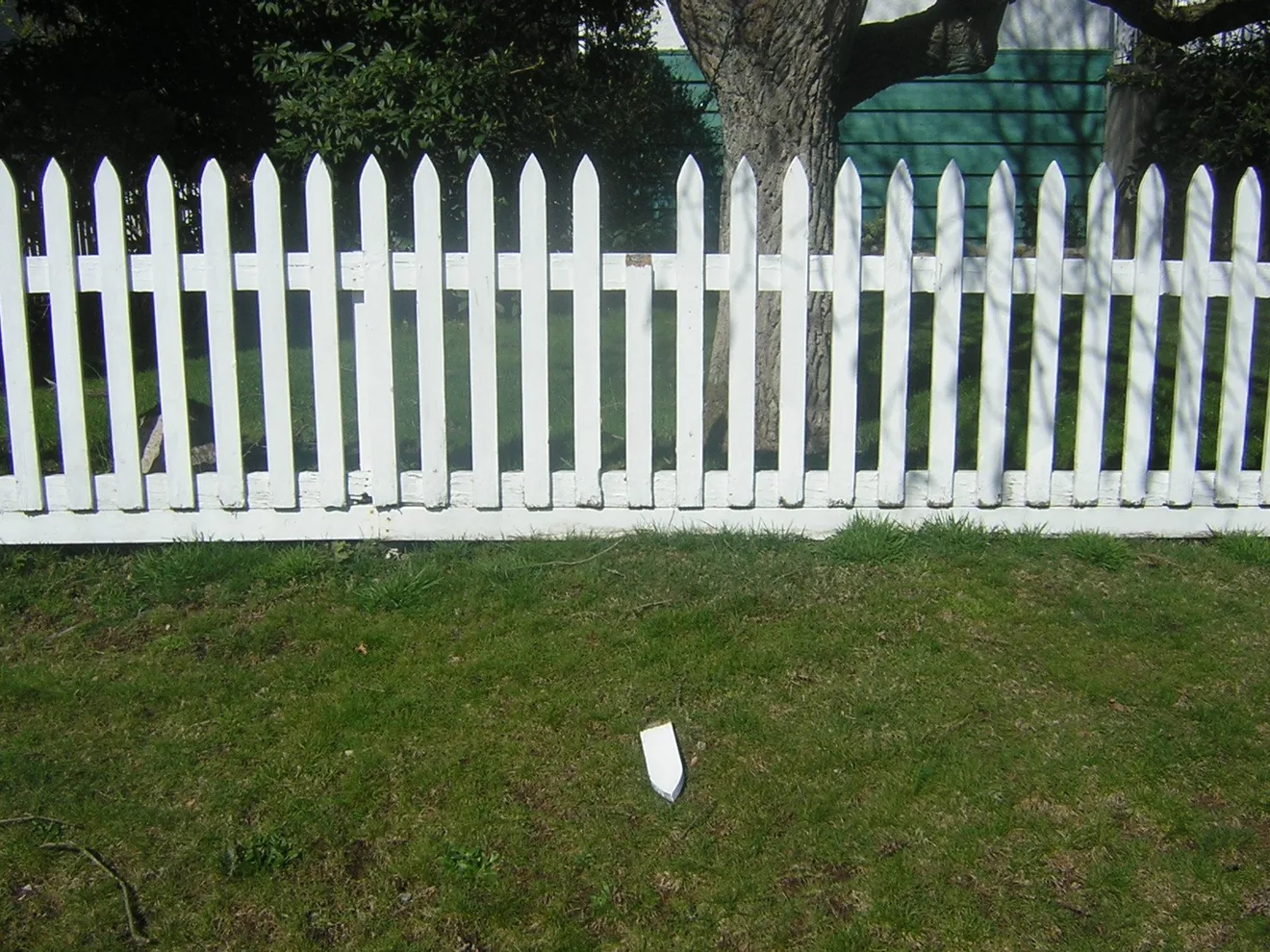
If you build fences, the cedar pickets you buy by the bundle could get pricier next year. The U.S. Commerce Department has opened antidumping and countervailing duty investigations into wooden fence pickets and panels from China, according to notices published Nov. 9 (via Federal Register). No new duties are being collected yet, but the cases set a clock running that could change picket pricing in 2027.
The petitions were filed Sept. 24 by the American Alliance of Wooden Fence Producers, a group made up of Alta Forest Products of Chehalis, Washington, Sierra Pacific Industries of Anderson, California, and Mendocino Forest Products of Santa Rosa, California. They argue that Chinese pickets are being sold in the U.S. below fair value and are propped up by government subsidies.
Commerce estimates dumping margins of 109.01% to 232.23%, depending on which country it uses for comparison pricing. On the subsidy side, the department found enough information to look into 37 programs the petitioners say benefit Chinese producers.
The scope is broad. It covers wooden fence components, commonly called pickets, finished or unfinished, sold loose, bundled, in kits with framing lumber or as fully pre-assembled panels. Covered pickets are no more than 1 inch thick, no more than 12 inches wide and at least 3 feet long, and the notice says they're typically 5, 6 or 8 feet when finished. Flat top, dog ear, gothic, pointed and stockade styles are all in, and so are pickets that have been painted, stained or pressure-treated.
Most of the product is Japanese cedar, also known as sugi, according to the notice, but the case also reaches other species, including Western red cedar, redwood, Douglas fir and Chinese fir. Pickets made only of bamboo, Brazilian pine or Southern yellow pine are excluded.
According to the International Trade Administration, U.S. imports under the product codes named in the case from China were worth about $92.7 million in 2024 and about $56.3 million in 2025, though the agency notes those figures may include products outside the case.
Next up is the U.S. International Trade Commission, which decides whether the domestic industry has been hurt. The ITC has a vote scheduled for Friday, Nov. 20, according to its calendar, and the ITA lists the preliminary determination for on or around Nov. 30. If the ITC votes no, the cases end there.
If the cases go forward, Commerce's preliminary subsidy decision is expected around Jan. 8, 2027, and its preliminary dumping decision around March 24, 2027, according to the ITA, and both dates can be pushed back. Importers typically start posting cash deposits only after affirmative preliminary decisions.
"The U.S. wooden fence pickets industry has suffered years of injury at the hands of unfairly traded Chinese wooden fence pickets," Timothy C. Brightbill of Wiley, the law firm representing the petitioners, said when the cases were filed.
Why it matters for Contractors
Nothing changes at the lumberyard today. But if a lot of your fence jobs use imported cedar pickets or pre-built panels, this is worth tracking over the next few months.
Ask your supplier where their pickets come from. If it's China, ask whether they're planning around possible duties starting in early 2027 and whether they expect to shift to domestic or other imported product.
Be careful with long-dated fence quotes. A job you price now for spring could be affected if preliminary duties land in January or March. A shorter quote window or a materials clause can protect you.
Watch the Nov. 20 ITC vote. If the commission finds no injury, the cases stop and pricing pressure from this source goes away.