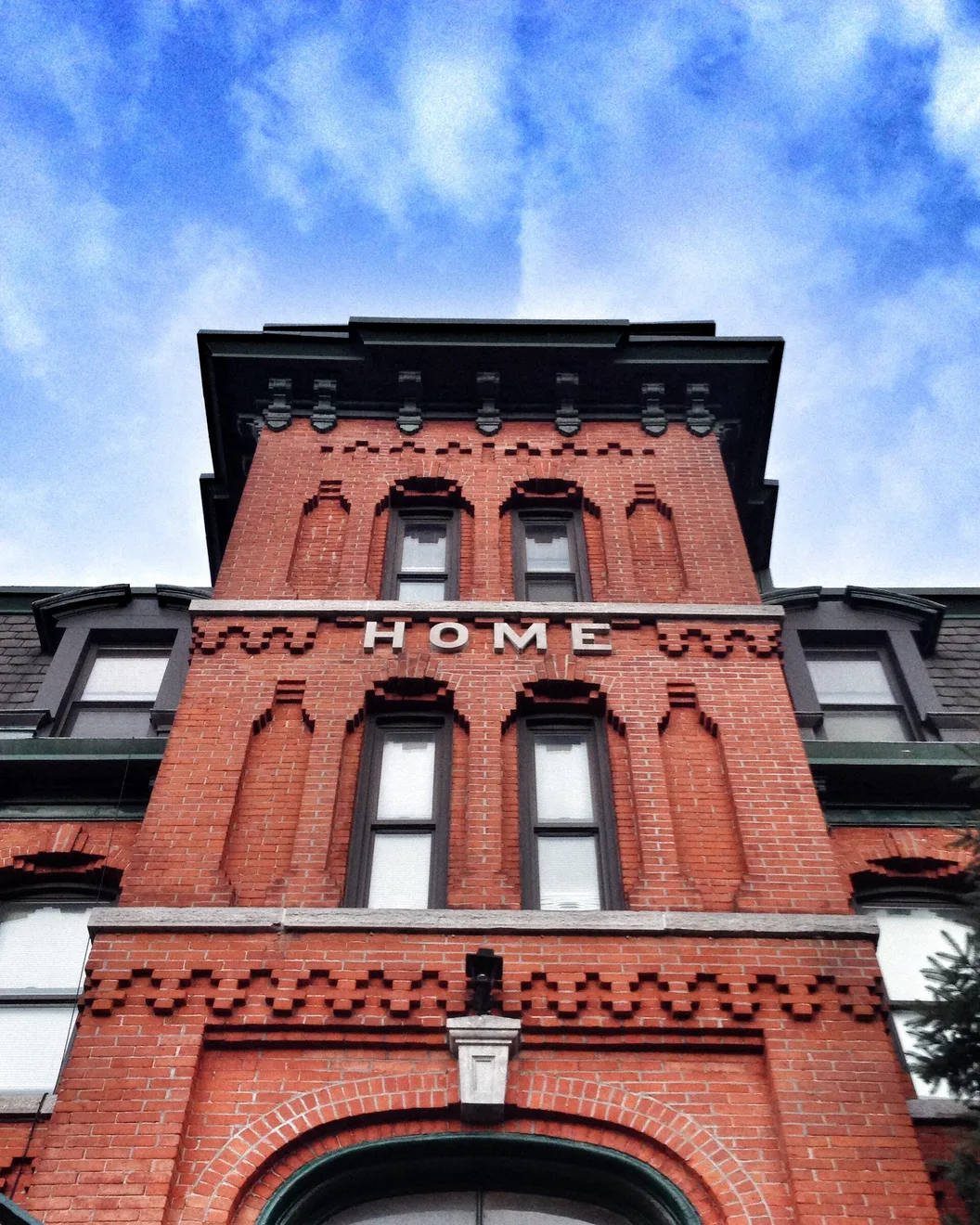
A Syracuse landlord who was supposed to hire certified lead professionals and instead started doing the work himself is now headed out of the rental business for good. New York Attorney General Letitia James announced Nov. 20 that William D'Angelo must sell every rental he still owns and will be permanently barred from owning or managing residential rentals anywhere in the state (via New York Attorney General).
In 2023, the AG's office, Onondaga County and the City of Syracuse jointly sued D'Angelo after investigators counted roughly 336 lead-paint violations across close to two dozen of his properties. At least 16 children living in his units had elevated blood lead levels.
Over about three decades, D'Angelo has owned or managed at least 48 Syracuse rental properties with at least 116 units, according to the AG. City and county records show every one of them was built before 1940, so they're presumed to have lead-based paint.
In February 2024, D'Angelo agreed to a $310,000 consent judgment. Of that, $80,000 went to tenants as restitution. The rest, at least $230,000, was earmarked for fixing lead hazards at 18 "priority" properties with a history of violations. The terms were specific: an EPA-certified firm had to do the work, under a work plan the AG's office signed off on, with an approved monitor watching. The deadline was December 2025.
That's not how it played out. D'Angelo paid the restitution but fell behind on repairs and grew hard to reach, the AG's office said. A City of Syracuse inspection in June 2026 found violations were still there. Around the same time, the state learned he'd been doing lead repairs on his own, with no certified firm, no approved plan and no monitor, using methods the AG said broke city, county and federal lead-safety rules.
The AG asked the court in August to hold him in contempt, and the judge agreed. Some problems have since been fixed, but lead hazards are still present at 10 of the 18 priority homes, according to the AG.
The settlement that resolves the contempt motion gives D'Angelo 180 days to sell all his remaining rentals. The AG, working with the city and county, gets to approve each buyer.
Anyone who buys one of the 10 homes with outstanding hazards has to sign an agreement with the AG first, committing to have EPA-certified professionals clear every identified hazard. That work has a hard clock: 60 days if the unit is occupied, 120 days if it's empty. New owners can't collect rent from existing tenants, or lease vacant units, until the hazards are resolved.
If an occupied hazard home doesn't sell within 90 days, D'Angelo has to pay for the repairs himself, again using an EPA-certified firm and an approved monitor. The penalties are steep: $100 a day per property for missed deadlines or other noncompliance, and $37,500 per property if he does lead work himself rather than hiring a certified firm. State Supreme Court Justice Joseph Lamendola told him in open court that jail time is on the table if he doesn't comply.
The backdrop is a city full of old housing. According to the AG, 81 percent of Syracuse's homes went up before New York banned lead paint in 1970, and 9.4 percent of children tested in the first half of 2026 had elevated blood lead levels.
Why it matters for Contractors
The clearest lesson: the state treated uncertified lead work as its own violation and attached a $37,500-per-property price tag to it. Federal rules already require any firm paid to disturb paint in pre-1978 housing to be EPA lead-safe certified, sole proprietors included, with workers trained by or working under a certified renovator, according to EPA. Enforcement in Syracuse is now clearly checking who did the work, not just whether it got done.
There's also near-term work. Ten homes need lead hazards cleared on 60- or 120-day deadlines by EPA-certified professionals once they change hands, and new owners can't collect rent until that's done. Buyers will be looking for certified crews that can move quickly. It's worth knowing that EPA's RRP renovation certification and lead abatement certification are separate programs. Check which one a given job actually calls for before you bid it.
The city's Lead Hazard Control Office requires owners with violations to correct them using lead-safe work practices and pass a final inspection, and the Syracuse Lead Grant Program only uses EPA-certified contractors for the window, door, siding and porch jobs it funds. For small shops around Syracuse, a current RRP firm certification is close to the price of entry for a big share of the city's housing stock.