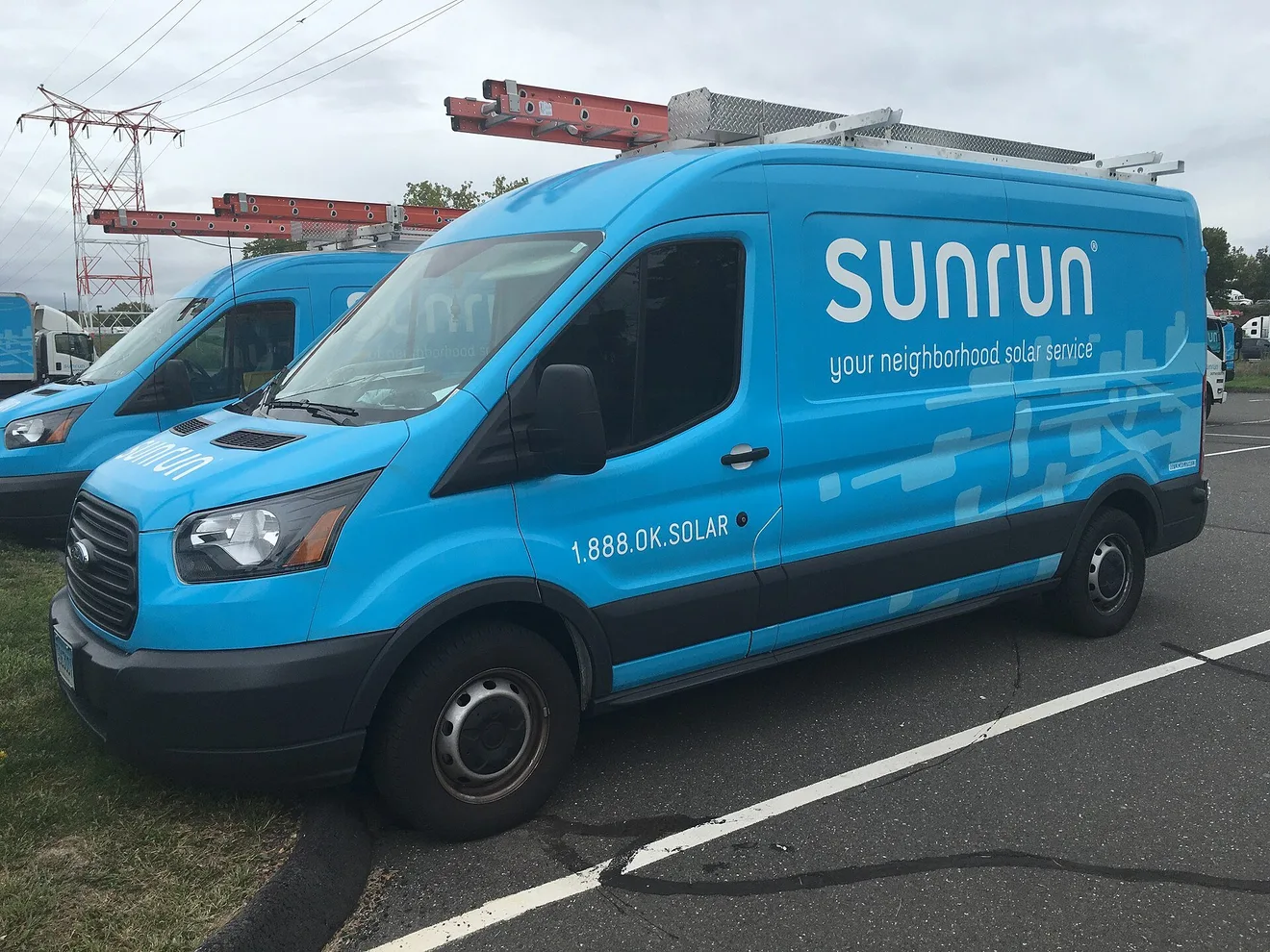
Sunrun will pay Connecticut $300,000 and open a claims process for homeowners who say they were signed up for solar leases they never agreed to, under settlements Attorney General William Tong announced Oct. 23 (via Connecticut Office of the Attorney General).
The deals close out most of a lawsuit Tong's office filed in July 2024 against SunRun Inc., Sunrun Installation Services, two local sales firms that sold its systems, and two salespeople. The state accused them of violating the Connecticut Unfair Trade Practices Act and the state's Home Improvement Act. None of the defendants admitted liability.
Sunrun doesn't knock on most Connecticut doors itself. It contracts with local companies to market, sell and install its systems, and two of them, Bright Planet Solar and Elevate Solar Solutions, were at the center of the case.
The 2024 complaint laid out three homeowners' stories. In Windsor, a homeowner turned down a 25-year lease, and so did the homeowner's father, who lived in the same house. The state says a signature was applied anyway, with the homeowner's initials reversed and backdated, and that someone impersonated the homeowner on the confirmation call. Sunrun then installed a 36-panel system.
In Stafford Springs, the state said the homeowner wasn't told the lease payment would climb 2.9% a year, which the complaint put at roughly $135,700 in extra charges over the term, and never got a copy of the signed contract. In Stafford Springs and Wethersfield, the state said panels went up without the required building permits, were never turned on, and the homeowners kept getting billed anyway.
When the suit was filed, Connecticut Public reported that Sunrun told WFSB the salespeople and installers involved weren't its employees and didn't meet its standards.
Sunrun pays the state $300,000. Its bigger obligation may be the relief program, which has no dollar cap. Sunrun has to notify every customer whose contract was solicited by Elevate, its former principal or its former registered agent, or others tied to them who are believed to have done the same thing. It has to investigate any fraud claim and answer within 60 days. If the fraud is substantiated, Sunrun has to offer some mix of cash, account credits, contract cancellation or removal of the system. Customers who say they never got a copy of their contract, and whom Sunrun can't show got one, can cancel. If there's a dispute, Sunrun pays for an independent arbitrator. Claims go to CTSupport@sunrun.com.
Elevate, Dakota Grumet, its former principal and managing member, and Sierra Howes, its former registered agent, agreed to a $200,000 penalty, with $100,000 suspended as long as they stay in compliance. Elevate has to dissolve. Grumet can't own a business that does home solicitation sales, home improvement included, for 10 years and has to keep records of any unsolicited door-to-door or phone marketing. Howes surrenders all home improvement salesperson registrations and can't apply for a salesperson or contractor registration for 10 years.
The case against Bright Planet, which no longer has a lawyer, is still pending.
"A signed contract is one of the strongest forms of protection that a consumer and business can have," Consumer Protection Commissioner Bryan T. Cafferelli said, adding that locking people into a long-term deal without their consent "is illegal and will not be tolerated in Connecticut."
It's not Tong's first run at the solar business. His office points to a $5 million judgment against Vision Solar in 2024 and a $100,000 settlement with Spruce Power earlier this year, among other actions.
Why it matters for Contractors
If you sell or install residential solar in Connecticut, or any home improvement work through door-to-door or phone sales, this case is a checklist of what the state goes after: signatures the customer didn't make, payment escalators nobody explained, no copy of the contract left behind, and work done without permits.
The basics protect you. Hand over a copy of every signed contract and keep proof you did. Spell out escalators and the total cost over the term in plain numbers. Pull permits before panels go on the roof, every time. And if you work as an installer or sales partner for a national brand, know that the brand's contract with you won't shield you. Here, the two salespeople face 10-year limits on their work and the local firm has to shut down.
For the many honest solar and roofing shops in the state, there's also a sales angle. Homeowners who've heard about cases like this are going to ask harder questions, and a contractor who walks them through the contract line by line has an easier close.