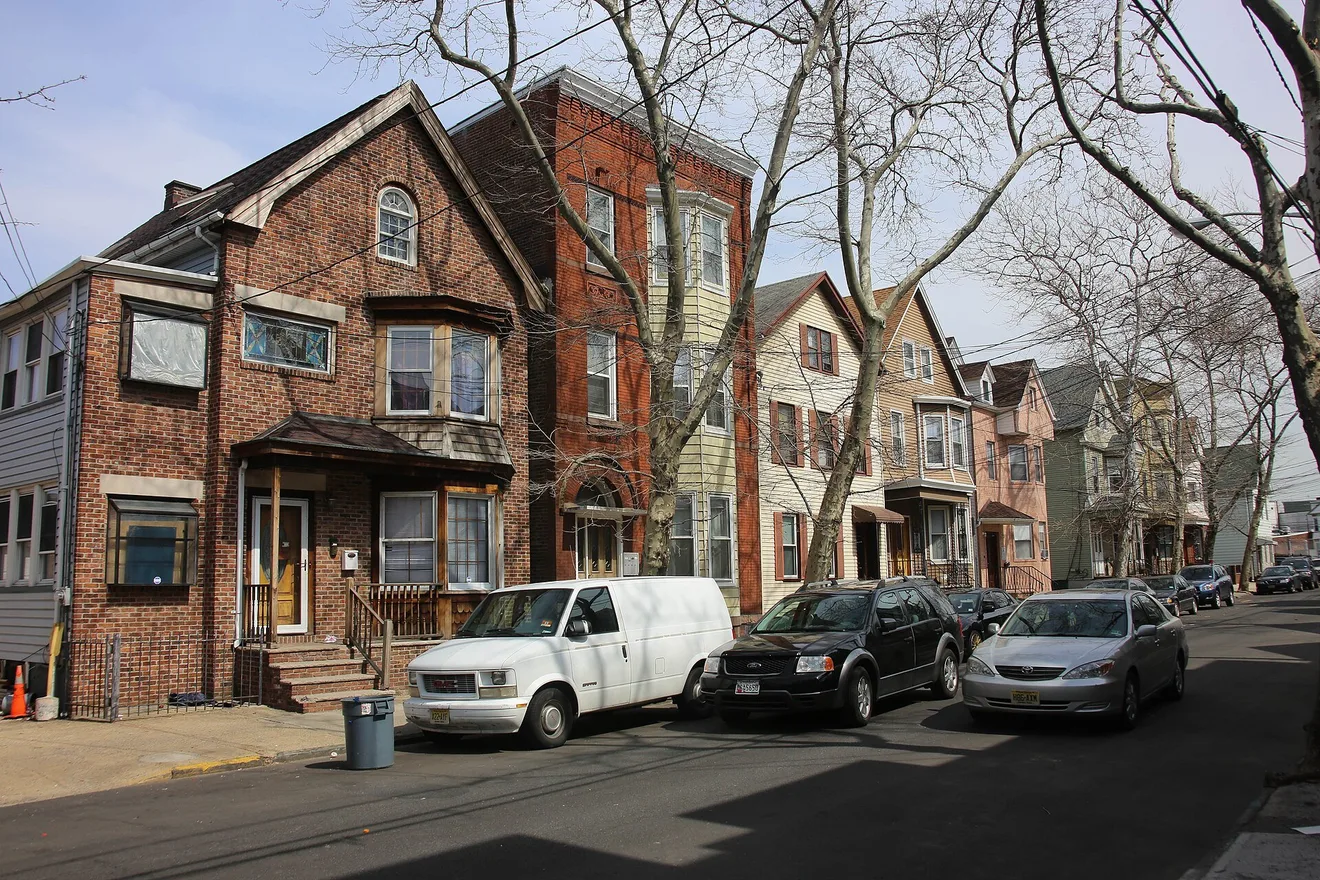
Newark homeowners who've thought about putting a small rental unit in the backyard now have a way to pay for the paperwork. The city has opened an accessory dwelling unit loan program that covers design, permit and fee costs for income-qualified owners in its single-family zone, and the loans disappear over time as long as the owner keeps living there (via City of Newark).
Mayor Ras Baraka framed it as a way to get more affordable housing out of bigger single-family lots. "This ADU program expands the capacity of large single-family lots to create more affordable units in our city," he said, according to Patch.
Here's how the money works. Owners can borrow up to $40,000 to build a new ADU, or up to $20,000 to rehab one that already exists. The loan carries no interest, runs 10 years and is secured by a recorded mortgage on the property. Each full year the home stays the owner's primary residence, 10% of the balance is forgiven.
The money is aimed at soft costs, not the build itself. Eligible items include architecture and engineering, permit and application fees, board hearing fees and utility connection fees. Owners are expected to line up their own financing for construction.
Eligibility is narrow. The applicant has to own and live in a legally established single-family house in Newark's R-1 zone, on a lot of at least 5,000 square feet. Title has to be in the names of individuals, not an LLC or other business. Property taxes, water and sewer bills and the mortgage all need to be current. Household income can't top 80% of area median income for the Newark HUD Metro FMR Area, which works out to $106,800 for a family of four under the federal limits that took effect May 1, 2026.
The units themselves have tight rules too. Newark allows one ADU per property, attached or detached, between 400 and 600 square feet, with one off-street parking space. Basements, cellars, attics and garage conversions don't qualify, and no trees can come down to make room. The house and the ADU have to stay under the same ownership, the owner has to live in one of them, leases must run at least six months and short-term rentals are off the table.
There's also a deadline for anyone with an unpermitted unit. Any ADU built or converted without approvals, in any zoning district, needs a Certificate of Occupancy by Dec. 31, 2027, and a pending application or scheduled hearing won't count. R-1 owners can apply for up to $40,000 in soft-cost help to legalize; owners in other districts are on their own.
The legal footing goes back to 2023, when the City Council adopted Ordinance 23-1473, a full rewrite of the city's zoning and land use rules tied to the Newark360 master plan. That ordinance made ADUs a conditional use in R-1, which means each one still needs Planning Board approval. The city's federal PRO Housing profile lists ADUs among the new housing types the rewrite was meant to unlock.
Funding comes from the $4 million Pathways to Removing Obstacles to Housing grant Newark won from HUD in 2024. Baraka said in his most recent State of the City address that $1.4 million of it is set aside for ADUs.
The city hasn't published a formal application process yet. Questions go to the Office of Planning and Zoning at (973) 877-9433 or adu@ci.newark.nj.us, or in person in Room 112 at City Hall, 920 Mayor Kenneth A. Gibson Blvd., weekdays from 9 a.m. to 4:30 p.m.
Why it matters for Contractors
Small builders and design-build shops in Essex County should read this as a pipeline of motivated homeowners who suddenly have their design and permit costs covered. The catch is that the loan doesn't pay for construction, so the clients who move forward will be the ones who can finance a 400- to 600-square-foot unit on their own. Having a rough cost range and a lender contact ready will help close those jobs.
The rules also set the scope for you. Since basements, attics and garage conversions are out, nearly every project will be a new detached cottage or an addition, with Planning Board review, utility connections and a parking space. That's work for general contractors, framers, and plumbing and electrical subs who know Newark's approval process.
The legalization deadline may be the bigger near-term opportunity. Owners with illegal units have until the end of 2027 to get a Certificate of Occupancy, and bringing an existing unit up to code is exactly the kind of job a small remodeler is built for. With about $1.4 million on the table, early movers will have the advantage.