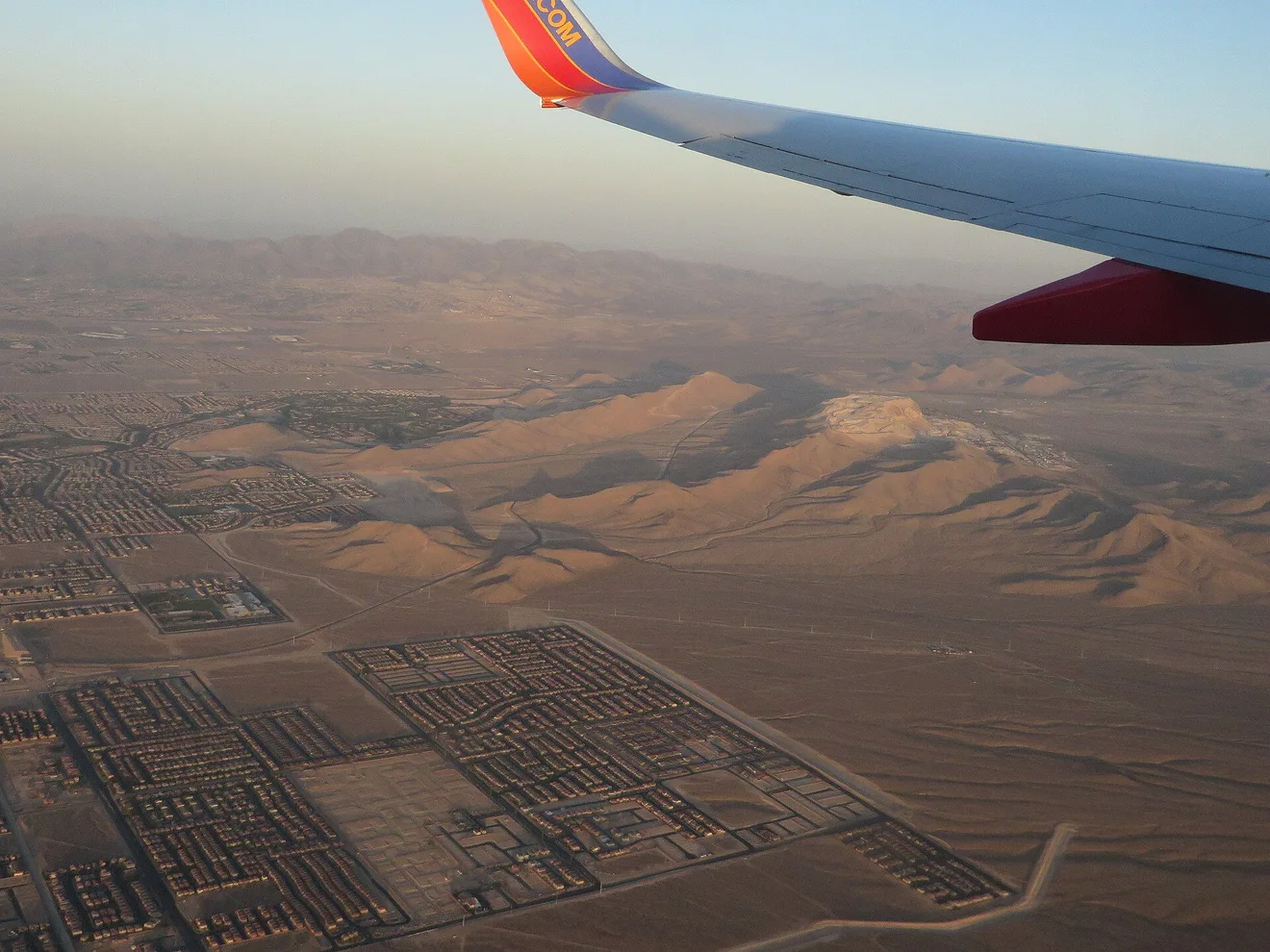
Nevada is near the bottom of the country when it comes to permitting new homes, according to a new ranking from UNLV's Lied Center for Real Estate. The state placed 49th out of 50 states plus Washington, D.C., in the center's 2026 Housing Supply Pipeline Rankings, which use U.S. Census Bureau permit data from January through August (via UNLV).
The biggest reason is momentum. Nevada saw the steepest permit decline in the nation, according to the report, falling from 12,662 units in the first eight months of 2025 to 8,986 this year, a drop of 29%. The state is also permitting about 1,123 homes a month while it's projected to add about 1,245 new households a month. Only Nevada and North Dakota are permitting fewer homes than their projected household growth.
The overall ranking hides a more mixed picture. On permits per resident alone, Nevada ranks a respectable 22nd, at 2.74 per 1,000 residents, close to the national rate of 2.83, according to the full report (Lied Center for Real Estate). Where it falls apart is the trend line. Nevada ranks last in the country on one-year momentum and 50th on keeping up with household growth.
The report scores every state in four equally weighted categories: permits relative to population, permits relative to households that spend 30% or more of income on housing, permits relative to projected household growth, and momentum over one and three years. It compares states with each other and doesn't try to say whether any state is building enough.
Census data shows a similar slide around Las Vegas. Permits in the Las Vegas-Henderson-Paradise metro fell from 8,880 units in January through August 2025 to 6,494 in the same months of 2026, about 27% (FRED, Federal Reserve Bank of St. Louis). Statewide Census figures on FRED show a smaller drop, about 20%, likely because of data revisions, so the 29% figure is UNLV's.
"Alleviating challenges related to the housing crisis really comes down to a city's ability to actually build housing," said Shawn McCoy, director of the Lied Center for Real Estate, who co-authored the report with research director Nicholas Irwin.
South Carolina ranked first overall, followed by Idaho, North Carolina, South Dakota and Kansas. Utah came in seventh.
Kansas stands out. It's only 19th on permits per resident but fifth overall because permits are up 31% in a year, and it leads the nation in "missing middle" housing, two- to four-unit buildings, at five times the national rate. South Dakota leads in permits for buildings of five or more units per resident, at more than twice the national rate.
Arizona, Texas and Florida are all in the top 10 on permits relative to size but near the bottom on momentum, according to the report. Together they permitted 28,538 fewer units than in the same months of 2025.
Nationally, permits through August totaled 968,187 units, essentially flat with a year earlier. Census data through September shows the same story, with year-to-date permits down about half a percent (U.S. Census Bureau).
Why it matters for Contractors
For builders and trades in Southern Nevada, the report puts numbers on what many crews have probably felt this year: fewer new permits and fewer new starts. A 27% to 29% drop in permits is a lot of work that isn't there.
It's worth thinking about the gap between permits and household growth, too. If Nevada keeps adding households faster than it's permitting homes, that pressure doesn't disappear. It tends to show up later as demand. "The supply side will determine what housing or rent prices people will face in 18 to 24 months," Irwin said.
In the meantime, small builders and remodelers may find steadier work in remodels, additions and repairs while new construction is slow. And if you're tracking where the next wave of permits comes from, watch for local permitting and zoning changes. UNLV's researchers said streamlining permitting and broadening zoning are ways officials can bring prices down.