Builders and remodelers working in unincorporated Lake County, Illinois, have some new room to work with. The Lake County Board voted Nov. 10 to loosen several parts of its development code, and the changes took effect the same day (via Chronicle Media).
The package rewrites pieces of Chapter 151 of the county code, the Unified Development Ordinance. It does three main things: it allows accessory dwelling units in every residential zoning district the county controls, it trims minimum lot size rules, and it creates a new incentive that trades zoning flexibility for greener building practices.
The county says it's short more than 16,000 homes, and the vote is part of a broader push it calls Housing Lake, which pulls in towns, employers, developers and nonprofits to work on attainable housing.
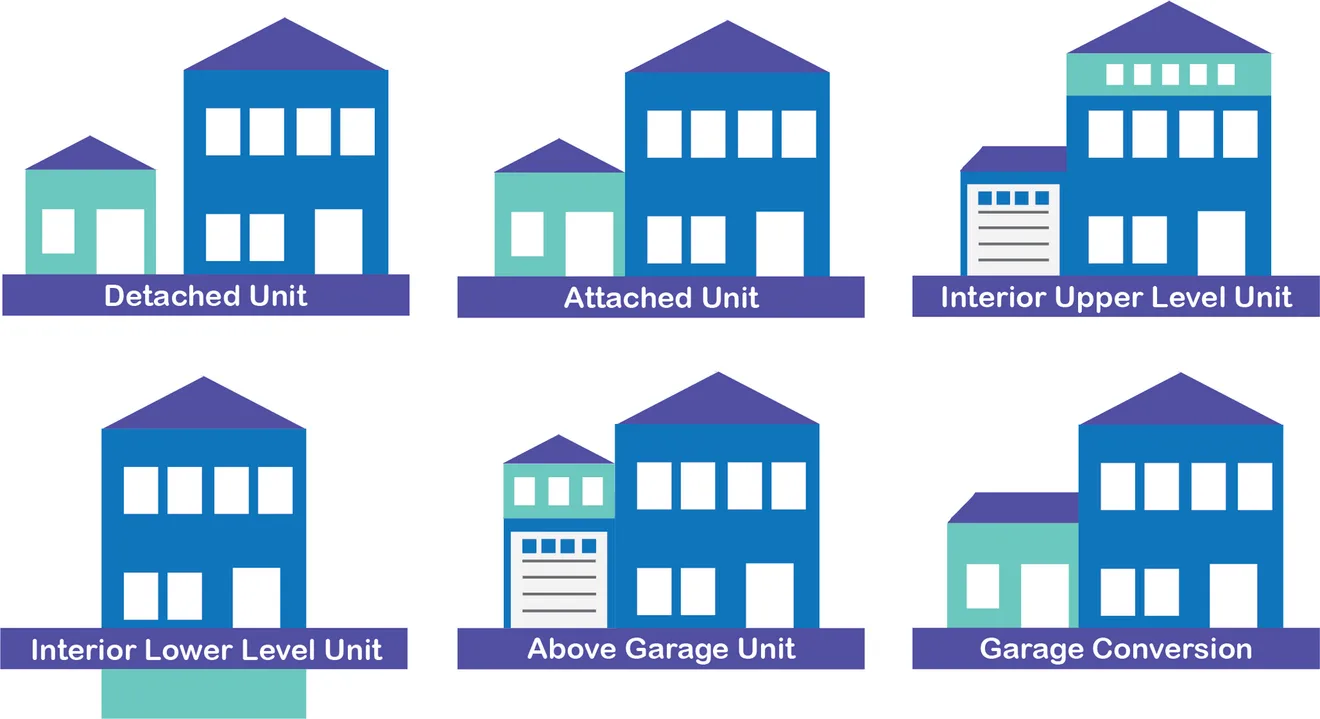
The biggest change for small shops is probably the accessory dwelling unit rule. An ADU is a smaller home on the same lot as a main house, whether that's a detached cottage, a garage apartment or a unit built into the existing home.
Eric Waggoner, the county's building, planning and development director, told Chronicle Media that loosening the ADU rules "doubles the number of eligible properties in the unincorporated area."
The draft language posted ahead of a Sept. 30 Zoning Board of Appeals hearing gives a sense of what that looks like. Staff recommended cutting the minimum lot area for an ADU from 80,000 square feet to 40,000 square feet, capping a unit at one bedroom and 1,000 square feet, requiring the owner to live in either the main house or the ADU, and requiring one extra off-street parking space. Those were staff recommendations going into the hearing, so check the adopted text with the county before you price a job around them.
The ordinance also widens the mix of housing allowed in conservation developments, the subdivisions that cluster homes to keep more open space. According to the county, a broader range of housing types is now allowed in more zoning districts for these projects. The staff draft for that piece listed townhouses, duplexes, twin homes and similar types and proposed shrinking the minimum lot for a detached conservation house from 6,500 to 5,500 square feet.
The new sustainable development incentive offers reduced setbacks and more density for projects that use qualifying environmentally friendly practices. In the hearing draft, the menu of practices included things like native plantings, cool roofs, solar and EV-ready infrastructure, with rewards such as up to a 10% density bump on conventional multi-dwelling projects and 10% setback reductions.
The amendments went through the Zoning Board of Appeals and the Planning, Building, Zoning and Environment Committee before the full board adopted them, and every vote was unanimous, according to Chronicle Media. Waggoner pointed to a 2023 Lake County Partners housing study that found production "is not keeping pace with demand."
The work ran alongside the Lake County Housing Coalition, which the county launched with the Chicago Metropolitan Agency for Planning in 2025. CMAP has described that group as a mix of business leaders, elected officials, municipal planners, developers and advocates working toward recommendations on attainable housing.
"Any housing items are important to the county board," said Matthew Meyers, the county's deputy administrator.
One key limit: none of this applies inside city or village limits. Municipalities in Lake County keep control of their own zoning, so a lot in Libertyville or Waukegan follows that town's rules, not the county's.
County staff are still working out the administrative guidelines for the new rules.
Why it matters for Contractors
If you build or remodel in unincorporated Lake County, the ADU change is the piece to watch. Twice as many eligible lots means more homeowners who can legally add a backyard cottage or a garage apartment, and those are right-sized jobs for a small crew. It's worth telling past clients on larger rural and estate lots that the door may now be open.
Before you design anything, confirm the parcel is actually under county zoning and get the final adopted standards. The county points developers and contractors to its early assistance process, which gives feedback on residential projects before you sink money into design. Use it, especially while staff are still writing the guidelines.
For small builders doing subdivisions, the conservation and green incentive changes could make tighter lots and mixed housing types pencil out. Just budget time to learn the new practice list before promising a client the bonus.