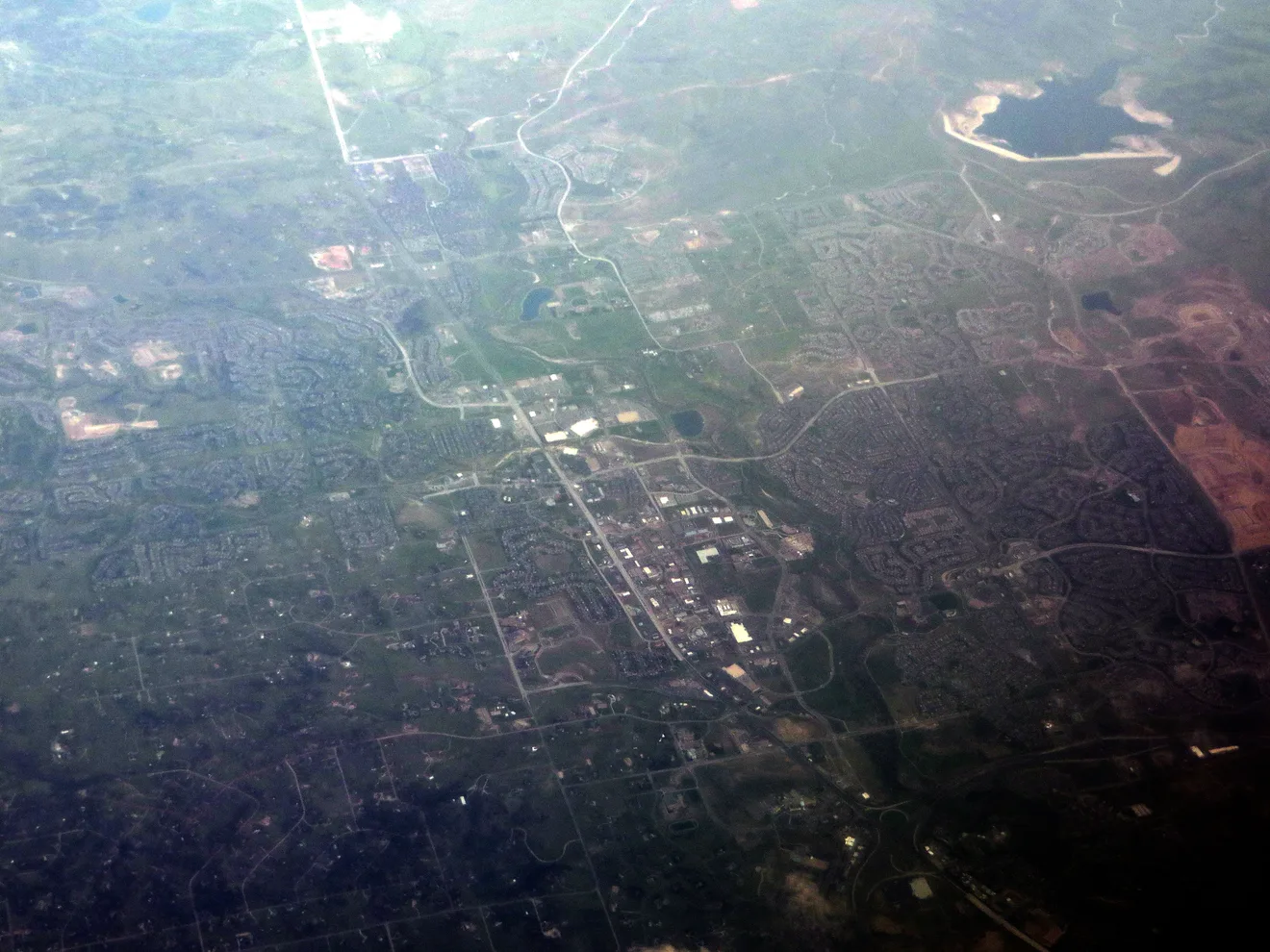
If you've been building, reroofing or residing in the foothills south of Denver since July and still have questions about Colorado's new wildfire code, here's a chance to ask the people who teach it. The Douglas County Building Division is hosting a question-and-answer session on the state's Wildfire Resiliency Code from noon to 4 p.m. Friday, Nov. 20, in the County Commissioners' Hearing Room (via Douglas County).
The speakers are Aaron Johnson and Kim McDonald, wildland-urban interface code educators with the Colorado Division of Fire Prevention and Control. They'll walk through the code, which took effect July 1, and take questions. The county's Office of Emergency Management will also cover local wildfire mitigation projects, DougCo Alerts and evacuation planning.
The county is inviting homeowners, contractors and HOA representatives. An RSVP is required through the online form linked from the county's announcement. The session will be recorded and posted to the county's YouTube page afterward. The county lists the commissioners' hearing room at 100 Third St. in Castle Rock.
The code grew out of Senate Bill 23-166, which lawmakers passed in 2023, after the Marshall Fire destroyed 1,084 homes in Boulder County, according to ProPublica. The law created a state board to write minimum building standards for wildfire-prone areas. The board adopted the code July 1, 2025. According to a Colorado Counties Inc. briefing, local governments with wildland-urban interface areas had to adopt it by April 1, 2026, and start using it by July 1, 2026. A 2026 bill to delay the code a year failed, according to AIA Colorado.
The code uses a state hazard map. Under the state's model code, lots in lower-risk areas get Class 1 requirements, including Class A roofing, noncombustible gutters and ember-resistant vents. Lots in moderate- and high-risk areas get Class 2, which adds requirements for eaves, exterior walls, decks, windows, doors and nearby accessory structures. The model code also sets defensible-space zones around new homes and additions, starting with a noncombustible strip in the first 5 feet. It's not a retrofit code; it applies when you build or do major work.
Cost will come up on Friday. Garfield County, citing a Headwaters Economics study of California homes, has said wildfire-resistant construction adds about 2% to 3% to building costs, though it cautioned that figure may not hold locally.
The county adopted its version as part of its 2024 code package, and the Building Division's handout lists it as effective July 1, 2026. The county's code covers unincorporated areas outside town limits and outside fire protection district boundaries; towns and fire districts handle their own adoption, so check who your permit runs through.
Under the county's amendments, the code is triggered by new construction, additions of 500 square feet or more, and replacing 25% or more of a roof or exterior wall, which pulls the whole roof or wall into compliance. Interior work, small additions, minor repairs and painting are exempt. The county says it hasn't set any fees tied to the code, and owners can ask for a review of their parcel's hazard rating if they think the map is wrong.
One catch for remodelers: in areas covered by the code, the county's amendments say the usual permit exemption for replacing windows and doors doesn't apply.
Why it matters for Contractors
If you do roofing, siding, decks, windows or additions in unincorporated Douglas County, this code is already on your jobs. The 25% roof and wall triggers are the ones that catch remodelers off guard, because a partial reroof can turn into a whole-roof Class A job, and a window swap can need a permit it didn't need before.
Look up each address on the state hazard map before you bid, so you know whether you're pricing Class 1 or Class 2 materials. Build the cost of compliant vents, gutters, siding and decking into the number up front.
Four hours on a Friday is a lot for a small shop, so send whoever runs estimates, or catch the recording later. Questions for the Building Division go to 303-660-7497.