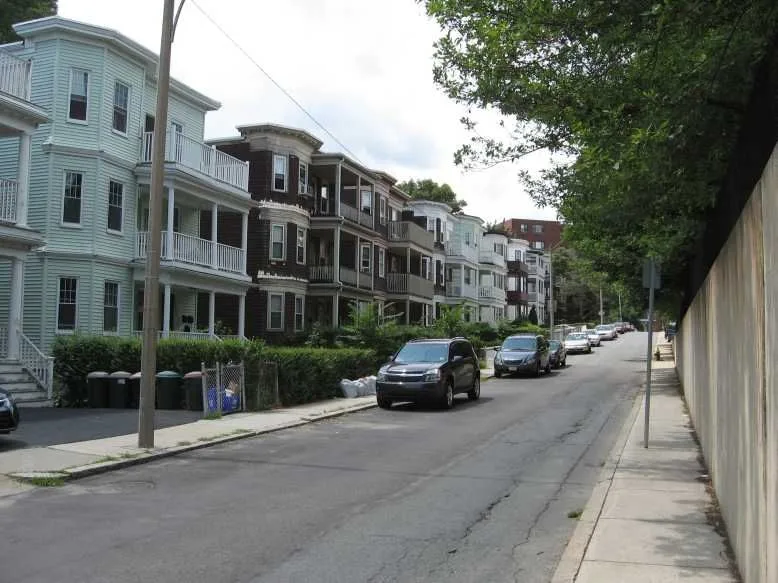
Small multifamily projects in Boston could soon skip the city's affordable housing requirement altogether. Mayor Michelle Wu's administration on Monday proposed raising the inclusionary zoning threshold from seven units to 10 for two years, along with several other changes meant to get stalled projects moving (via WBUR).
Right now, any Boston project with seven or more units has to make 17% of its homes income-restricted, plus another 3% for households with housing vouchers, or pay into the city's affordable housing fund instead. That bar was dropped from 10 units to seven in reforms Wu pushed through earlier in her term. Under the new proposal, projects of seven to nine units would be exempt during the two-year window, after which the city would review the change.
Chief of Planning Kairos Shen said the city has averaged about 14 projects a year in that seven-to-nine-unit range, but recorded just one in 2026, according to the Dorchester Reporter. "There are many projects that are smaller than 10 units or 7 units that are not feasible currently," Shen said. The city estimates the exemption could add at least 100 units a year, WBUR reported.
The package also changes how and when developers pay. Instead of two installments, developers paying into the affordable housing fund in place of building units on site could spread the money over seven annual payments. Condo developers would get a lower fee: the payment would drop from 75% to 50% of the gap between a unit's market value and its income-restricted value, which the Dorchester Reporter said restores the fee level under the city's previous policy.
Developers who build their affordable units off site would no longer be held to the zoning code's half-mile limit. The city's official announcement says that rule would move into Mayor's Office of Housing policy, and the Dorchester Reporter said officials would work with developers and neighbors on locations. The units would still have to be in Boston. Asked about off-site housing outside the city, housing chief Sheila Dillon told WBUR, "Over my dead body."
The 17% requirement and the extra 3% for voucher households aren't changing. Dillon said the goal is to help projects advance while still protecting affordable housing.
On the commercial side, linkage fees, which commercial projects of 50,000 square feet or more pay toward affordable housing and job training, would be frozen at current levels through 2027. Without action, they would rise about 4.09% on Jan. 1, 2027, according to the Dorchester Reporter. The housing portion of linkage could also be paid in seven installments, while the job-training portion stays at two.
The proposals still need approval. The city's planning board was scheduled to take them up Thursday, Nov. 12. The inclusionary zoning changes then go to the City Council, which has 60 days to reject them by a two-thirds vote, and on to the Zoning Commission. The linkage changes need Zoning Commission approval before the scheduled increase on Jan. 1.
The push comes as permitting lags. Boston permitted 2,448 units in the first nine months of 2026, WBUR reported. That puts the city on pace for its best year since 2022 but still behind Wu's goal of 13,000 units over her first term. The city's announcement included support from the Boston Tenant Coalition's Kathy Brown, who called the changes "preferred over rolling back IZ from 20% to 13% of units built," and from Evan Lank of Juice Capital, who said projects "between seven and nine units have not been financially viable in this economic climate."
Why it matters for Contractors
This one is aimed squarely at small builders. A seven-, eight- or nine-unit building is the kind of infill project a small developer or general contractor can actually take on, and until now it has carried the same affordable housing obligation as much bigger jobs. If the change survives the council, those projects would shed that cost for two years, which could make some shelved deals pencil out again.
Even for projects that still owe, seven annual payments instead of two means less cash tied up before a building is earning anything. If you build or bid small multifamily in Boston, it's worth revisiting projects that didn't work under the current rules and keeping an eye on the council vote. The two-year window is short, so projects that are ready to move may get the most out of it.