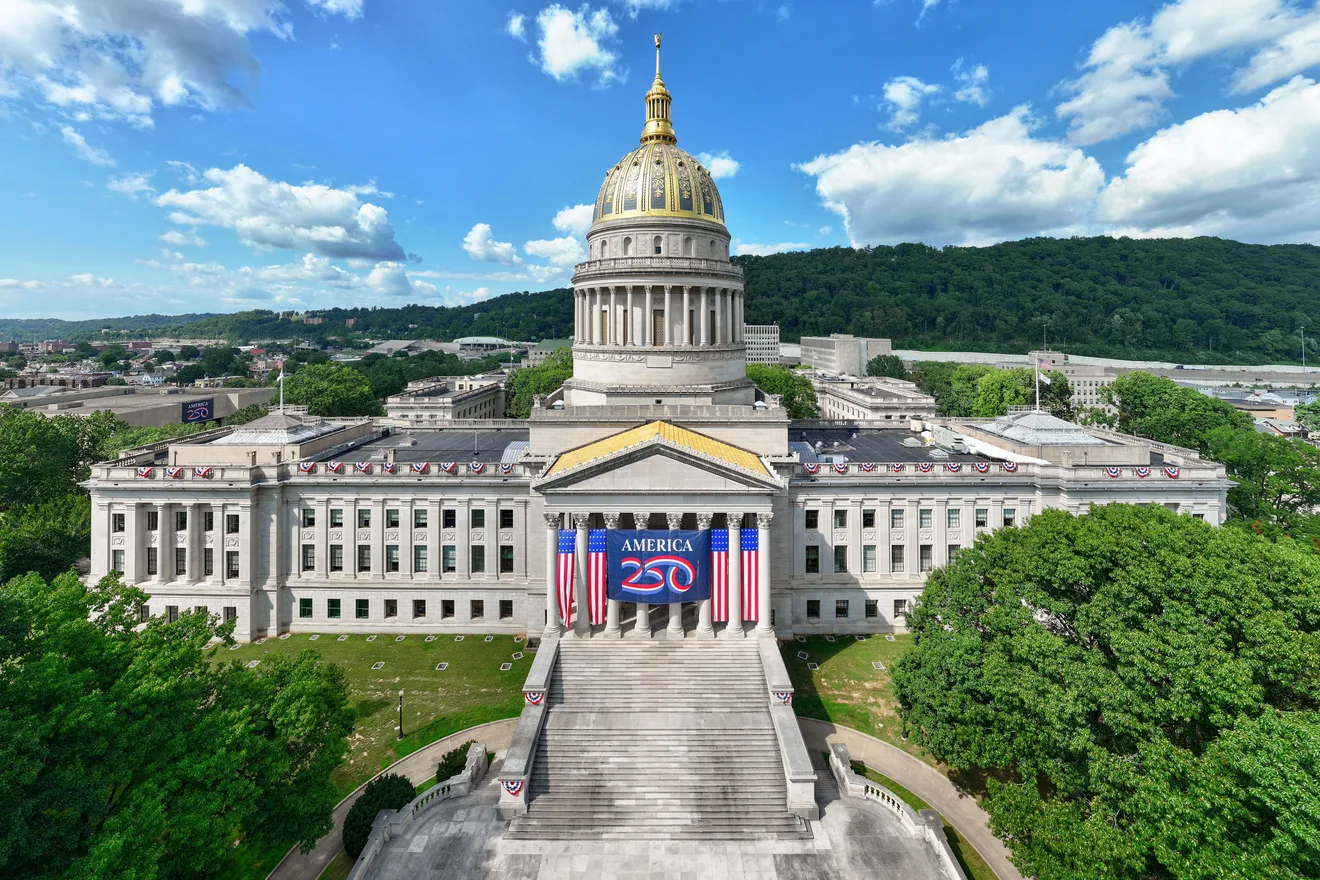
West Virginia now has one website for state permits. Gov. Patrick Morrisey announced Oct. 28 that the One Stop Shop Permitting Portal at SpeedToBuild.wv.gov is up, giving businesses a single account to apply for permits, pay fees and see where an application stands (via the Office of the Governor).
The site actually opened quietly on Oct. 1, three months ahead of the Jan. 1, 2027, deadline lawmakers set in House Bill 2002 during the 2025 session. That law told the Department of Administration to pull permitting from several state agencies into one online dashboard. Morrisey pitched it as a way to beat the neighbors. "Every time a company decides where to build or expand, you know, it's looking in the geographic area around you. It's looking at Ohio, looking at Kentucky, Pennsylvania, Virginia, Maryland," he said, according to West Virginia Public Broadcasting. When the state first started planning the portal in 2025, it pointed to Pennsylvania's one-stop permit system as the model.
Here's what the portal is supposed to handle. Users can file applications, upload documents, pay, check status, get updates and renew permits and licenses, all from one login. A searchable database and a guided assistant are there to help people figure out which permits a project actually needs, which is often the hardest part.
The agencies plugged in so far are the Division of Highways, the Bureau for Public Health, the Department of Environmental Protection, and several divisions of the Department of Commerce: Forestry, Labor, Natural Resources, Miners' Health, Safety and Training, and the Alcohol Beverage Control Administration. The governor's office didn't publish a full list of the individual permits and licenses covered.
Faster processing is coming, but not until January. Even though the portal is built, the law's schedule doesn't let fast-track options start before Jan. 1, 2027. The state gave two examples of what that looks like: oversized hauling permits drop from a five-day processing deadline to two days, and timber license renewals go from 14 calendar days to seven business days.
The law behind the portal has a couple of provisions the announcement didn't dwell on. HB 2002 lets the state charge an extra fee to fast-track a permit application, but it says that fee can't be more than what it costs the agency to expedite the work. The law doesn't set a dollar figure. And starting Jan. 1, 2027, an agency that misses its processing deadline on a permit has to refund all the fees the applicant paid for it.
Paper isn't dead yet. Using the portal is optional until July 1, 2027, so businesses can keep filing paper applications or using an agency's existing system without penalty. After that date, the law makes the dashboard the only way to apply for covered permits, with exceptions where disability or human rights laws require another route.
To get set up, new users choose "Sign Up" at SpeedToBuild.wv.gov. The state asks users to add Speedtobuilddonotreply@wv.gov to their contacts so status updates don't get lost. Questions about a specific permit still go to the agency that issues it, through the portal's resource guide.
"Businesses shouldn't have to spend unnecessary time navigating government bureaucracy when they could be creating jobs and growing their operations," Morrisey said in the release.
Why it matters for Contractors
Most small shops won't deal with every agency on that list, but a lot of them deal with at least one. If your work touches the Division of Highways, the Bureau for Public Health, DEP or the Division of Labor, this portal is where those applications are headed, and in about eight months it won't be optional for covered permits. Set up an account now and run your next routine filing or renewal through it while you can still fall back on paper if something goes sideways. That beats learning a new system on deadline next July.
Keep a record of when you submit. Once the refund rule kicks in Jan. 1, an agency that blows its own deadline owes you your fees back, and the portal's tracking and email updates should make that easier to document. Whether the fast-track fee is worth paying will depend on the job and the price, which hasn't been posted yet. One thing that doesn't change: this is a state system, and the law doesn't touch city or county building permits and inspections, so local permitting works the way it always has.