Omaha's plumbing code overhaul is going to happen, just not as soon or as fully as Mayor John Ewing wanted. Ewing said Nov. 18 he won't sign the amended ordinance the City Council passed, and he won't veto it either, which lets it stand (via WOWT). The new rules kick in Jan. 1, 2028.
Under the city charter, the mayor gets seven days after receiving an ordinance to approve or veto it. If he does neither, the council's vote holds, KETV reported. The council passed the amended version 4-3 on Nov. 10.
Ewing has said he took the deal because a veto probably wouldn't stick. With a 4-3 margin, he told KETV, the votes likely aren't there to override, and he didn't want to give back what he'd already won. In a letter to the council he wrote, "I cannot in good faith remove some cost savings in hopes that a stronger ordinance — like the one we wanted — would pass."
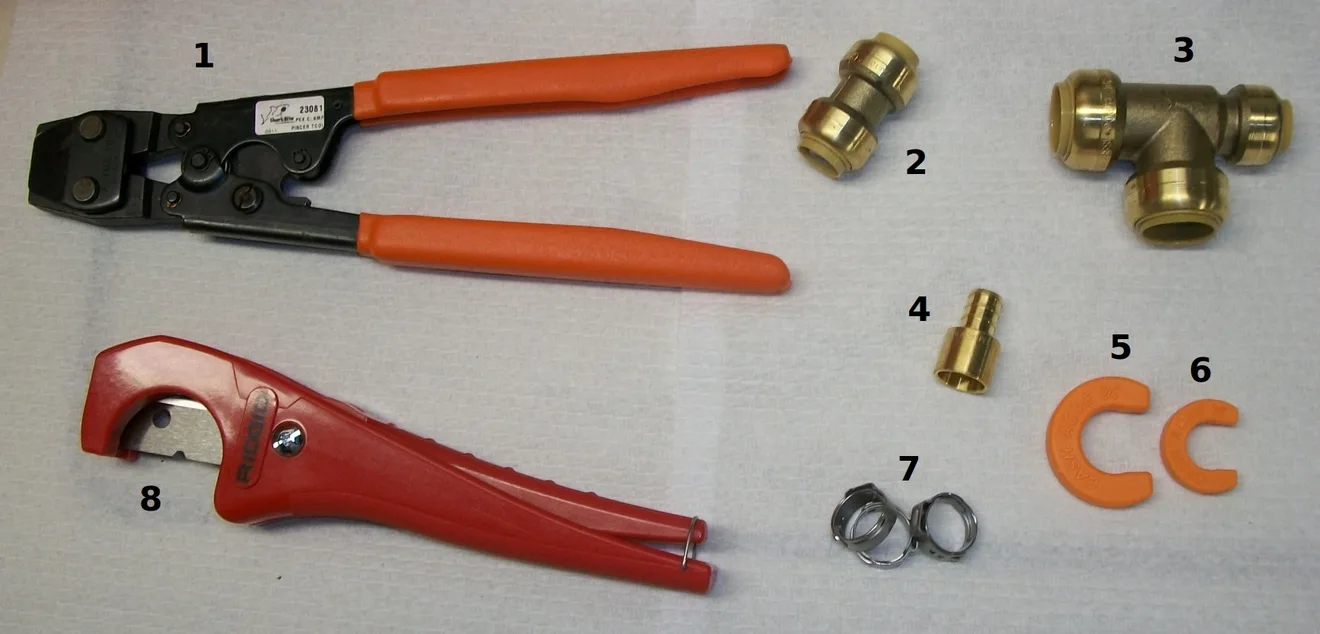
So what's actually in it? The core of the original proposal survived. PVC and other plastic pipe can be used in place of cast iron on all floors, according to KETV and The Reader. Today PVC is mostly limited to single-family homes, restaurants and multifamily buildings under four stories. PEX can also replace copper for water service lines running to Metropolitan Utilities District connections.
The council's amendments, brought by Council President Danny Begley, changed two big things. First, the start date moved back to Jan. 1, 2028. Councilmember Pete Festersen said the delay responds to concerns from MUD. Second, the apprentice ratio. Right now a master plumber can supervise one apprentice. The city's original plan would have allowed two for everyone. The final version allows two apprentices per master plumber only at businesses with 20 or fewer employees; larger companies stay at one-to-one, KETV reported.
Those changes cost the savings. The city's Planning Department estimated the original version would knock at least $4,200 off the cost of a new home in labor and materials. Ewing puts the amended version at about $1,200, according to KETV.
Councilmember Brinker Harding, who voted no, said the council missed a chance. "This was an opportunity missed by a majority of the Council to deliver on that promise," he said in a statement reported by WOWT, noting every member campaigned on the housing crisis. He has argued that "for every $1,000 added to the cost of a home, you eliminate over 600 potential buyers."
Supporters inside City Hall have pointed to commercial work too. Le Nguyen, the city's superintendent of permits and inspection, told The Reader that "for a school project that has the same footprint, it was cheaper to build in Gretna than it is here in Omaha." Ewing has cited a $600,000 cut in material costs on a new school built with PVC instead of cast iron.
The fight may not be over. Ewing told KETV he planned to meet with councilmembers and union officials, and that if there's no room for further changes he'll push for a "universal code." Plumbers Local 16 opposed loosening the rules, and the Cast Iron Soil Pipe Institute sued over how the city's Plumbing Board handled the proposal; a judge found the board violated the Open Meetings Act but didn't stop the vote, KETV reported.
Why it matters for Contractors
Nothing changes on your jobs until Jan. 1, 2028, so keep pricing and building to today's code. But start planning. Once the new code takes effect, PVC drain, waste and vent on every floor and PEX service lines should make plumbing packages cheaper on everything from spec homes to small commercial buildouts, and that should show up in your bids.
The apprentice change is the bigger deal for small shops. If your plumbing company has 20 or fewer employees, you'll be able to run two apprentices per master plumber, which can mean more crews out without hiring another master. It's still not clear from public reporting whether "20 employees" counts everyone on payroll or only plumbers, so confirm that with the city's Permits and Inspections Division before you staff up. And check MUD's own requirements before you plan on PEX service lines.