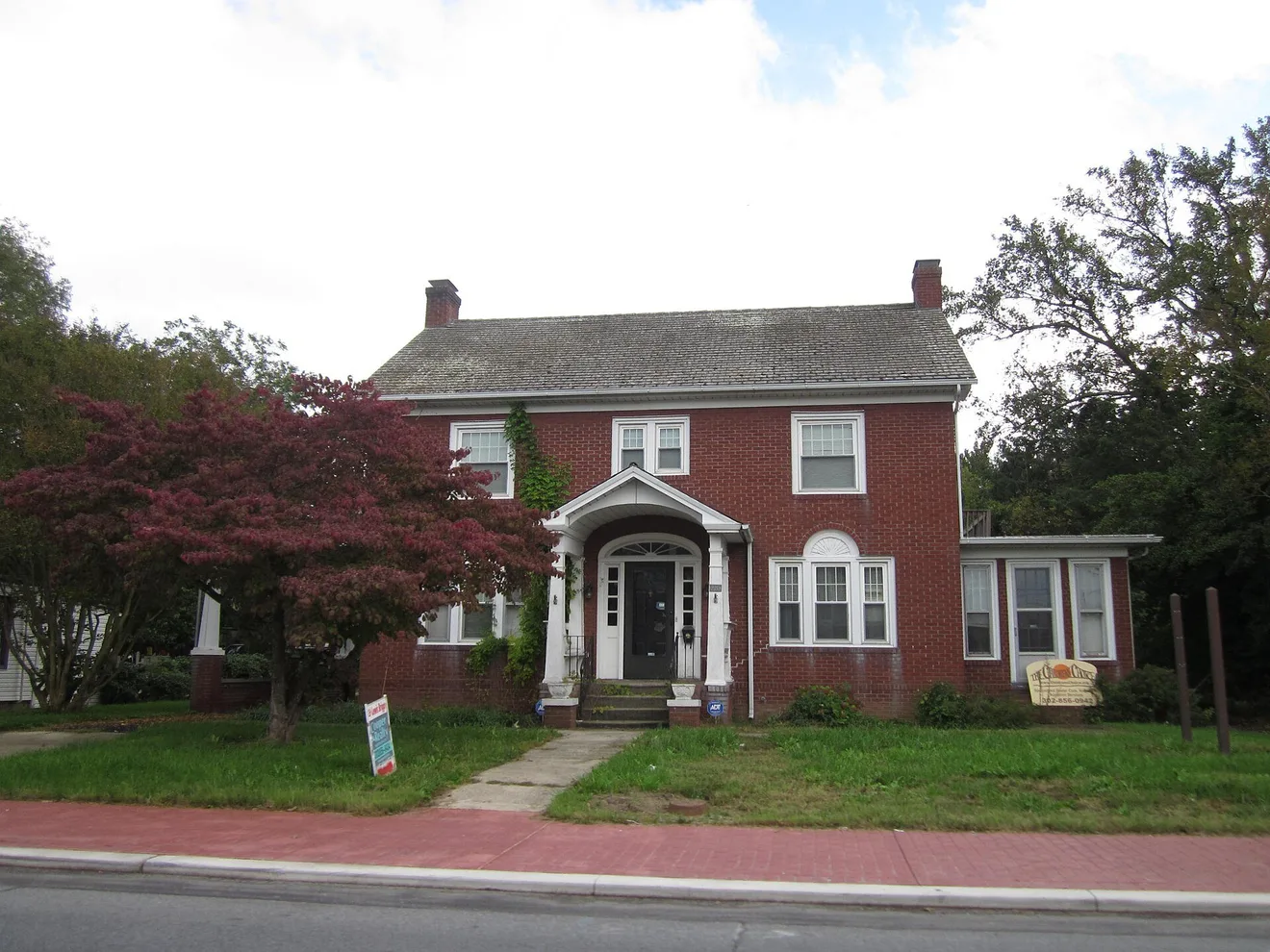
A Georgetown nonprofit that wants to build 122 small rental cottages is taking the town to court, arguing that a summer pause on tiny-home development shouldn't apply to a project it had been working on since January (via Spotlight Delaware).
Springboard Delaware, which already runs a pallet village transitional housing program in the Sussex County seat, filed its complaint in Delaware Chancery Court on Sept. 11, according to Spotlight Delaware. The group plans cottages of 400 to 950 square feet on a 14-acre property near Sussex Academy, aimed at people who can't afford to rent something bigger.
The suit asks a judge to void the pause. Springboard's case is that the project was already moving: a predevelopment meeting with town officials on Jan. 6, where the town didn't raise major concerns, and a Sept. 4 response from the state Office of Planning strongly supporting the plan. When Springboard handed its preliminary plan to the town planning department on Sept. 11, the town refused to review it, pointing to the moratorium.
Springboard's attorney, Richard Forsten, also argues the council broke Delaware's open meetings law because the July and August agendas listed the cottage ordinance as a discussion, not a vote. The town's posted July 13 agenda does list only a "discussion on possible modification or repeal" of the cottage housing section of the zoning code.
Town attorney Stephani Ballard's Oct. 12 response sees the timeline differently. She argues Springboard hadn't formally started the approval process when the council acted on July 13, since no site plan arrived until September. She also noted that Springboard didn't own the property until Sept. 9 and wasn't incorporated until Sept. 4. On the open meetings claim, she wrote that the agenda "clearly put the public on notice" that code changes were on the table. Judge David Hume has the case, and no preliminary hearing had been scheduled as of Oct. 26.
Georgetown's previous council, led by Mayor Bill West, adopted the cottage housing ordinance in December 2025 on a 4-1 vote, WHYY reported. It allows up to 12 homes of 350 to 850 square feet on a single acre. The first project under it, Little Living's 20-home village on Market Street, was approved in February. Mayor Angela Townsend has said the town won't intervene in that one.
The politics flipped with the May 2026 election. Townsend and Councilman Michael Briggs both campaigned on repealing the ordinance. On July 13 the council voted 4-1 to stop reviewing new tiny-home proposals and set up a committee to weigh repeal. That committee recommended repeal in August, and the council voted 3-1 to send the ordinance to the planning commission to start the process.
The planning commission didn't go along, voting 3-2 in September to recommend against repeal. The council pressed on anyway, holding a first reading of the repeal on Oct. 26. The final vote is set for Monday, Nov. 9, at 6:30 p.m. at Town Hall, 39 The Circle.
The math favors repeal. Townsend, Briggs and Councilman Penuel Barrett have all publicly backed it. Councilman Tony Neal opposes it, and Councilwoman Christina Diaz-Malone won't vote because she is married to Springboard's director, Judson Malone. Barrett told Spotlight Delaware he wants to see "proven results, and we're not getting it out of them."
Repeal supporters on the town's committee have tied their case to new state housing laws. They pointed to Senate Bill 23 and House Bill 450, which change how towns approve housing and push for more density, arguing Georgetown needs a broader housing plan rather than a standalone cottage rule. Malone has countered that the existing ordinance already lines up with SB 23 and that repeal would swap a working option for an uncertain one, WHYY reported.
Why it matters for Contractors
The lawsuit turns on a question every small developer and builder eventually runs into: at what point does a project lock in the rules it was designed under? Springboard is betting that early meetings with town staff and a state planning review count. The town says only a formal site plan filing does, and that the applicant didn't even own the land or exist as a corporation until September. However the judge rules, the safer habit is the same: get title, your entity and a complete application on file as early as you can, rather than counting on predevelopment talks to protect you.
It's also a reminder that small-format housing rules can be reversed within one election cycle. If you're pricing cottage or tiny-home work anywhere in Sussex County, watch the Nov. 9 vote and keep an eye on how other towns rewrite their codes under SB 23 and HB 450.