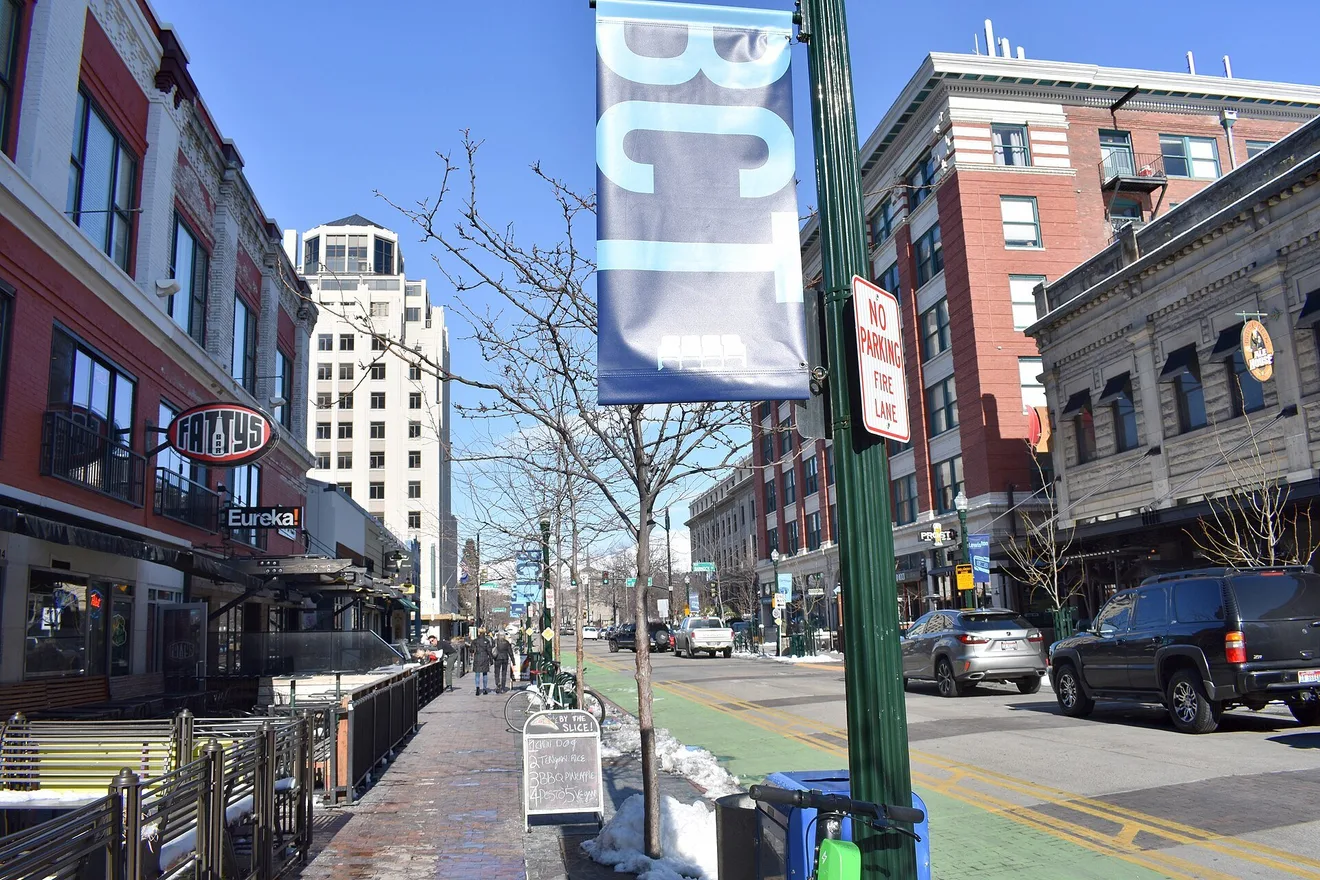
Boise's plan to run its downtown geothermal system into an affordable housing project just got a big check. Micron Technology is giving $2.5 million in gap funding to bring geothermal heat to the Lusk Housing District, a J. Fisher Co. development planned with the city's Housing Land Trust program, the city announced Oct. 27 (via City of Boise).
The city says the project will put geothermal heat into more than 300 new affordable homes, and calls it the first effort by a U.S. city to heat multifamily affordable housing with geothermal.
The site sits in the Lusk District just off Boise State, at 1025 S. Capitol Boulevard and 1020 S. Lusk Street, about three acres inside the Shoreline Urban Renewal District, according to the Capital City Development Corporation. The city used to run 110 aging affordable apartments there and permanently relocated those tenants because the buildings were near the end of their useful life.
CCDC, the city's urban renewal agency, describes the replacement as 337 affordable apartments averaging 60% of area median income, roughly 10,000 square feet of retail or food-and-beverage space along Lusk Street, and a 361-space public parking garage that ParkBOI will operate. The building is a multi-story design shaped around floodplain constraints, and the public side of the job includes streetscape, utility, stormwater and sidewalk work in a part of town that's short on sidewalks.
The money stack is long. Beyond Micron's gift, the city lists tax credits and private activity bonds through the Idaho Housing and Finance Association, plus investments from the City of Boise, CCDC and J. Fisher Co. Ten percent of the homes will be set aside for people leaving homelessness.
The geothermal piece builds on a $1 million award Boise won in February from the Bloomberg Philanthropies Mayors Challenge, which the city said was meant to pilot extending its system to multifamily affordable housing. KIVI reported Boise was one of 24 winners picked from more than 630 cities. The city has said the setup could cut residents' utility bills by up to 80%.
Boise bills its city-owned geothermal utility as the largest direct-use system in the country. It already supplies heat and hot water to about 100 downtown buildings, by the city's count; KIVI put the figure at about 90, including the Idaho State Capitol and the Ada County Courthouse. The system is a closed loop: hot water comes up, the heat is pulled off, and the water goes back to the aquifer. One open problem the grant is supposed to help solve is billing, since tenants in one building use different amounts of energy.
"Affordable housing can lead on clean heat," said Jake Wood, managing director of affordable housing development at J. Fisher Companies. Mayor Lauren McLean said Micron's investment brings the city "one step closer to bringing clean geothermal heat" to hundreds of affordable homes.
On timing, the city's newest release says groundbreaking is expected in spring 2027. The city's Lusk District project page lists demolition and site prep starting this fall, with construction to follow in 2027, and the city has pointed to 2028 for completion. No general contractor has been named publicly.
Why it matters for Contractors
This is a big-builder job, and the prime contract will go to a firm that can handle a 337-unit building over a public garage. But it's also a lot of local work in one spot: demolition and site prep this fall, then utility, stormwater, sidewalk and streetscape work, plus a geothermal tie-in that most mechanical crews in town haven't done on a multifamily building before.
If you're a small shop, the realistic play is subcontract work. Keep an eye on CCDC's project page and bid postings for the public improvements, and watch for J. Fisher's general contractor to be named so you can get on its sub list. Mechanical and plumbing contractors who already know Boise's geothermal system are in a better spot than most, because the city plans to keep expanding it. And the 2027 start is still a target, not a contract, so build it into your pipeline loosely.