If you build or remodel in Casper, the rules you work under are about to change, and you still have a little time to get ready.
On Oct. 20, the Casper City Council voted 7-2 on second reading to repeal and replace Title 15, the part of city code that covers building, licensing and permits. Councilors Sweeney and Jensen voted no. The ordinance still needs a third and final reading, set for Nov. 3. Until then it isn't law, and the code you use today still applies.
The full redlined ordinance and fee tables are in the city's Oct. 20 agenda packet.
What codes are coming
The new Title 15 adopts the 2024 editions of the International Building Code, International Residential Code, International Plumbing Code, International Mechanical Code, International Fuel Gas Code and International Existing Building Code. On the electrical side, it adopts the 2026 National Electrical Code.
That's a big jump for a city whose code was called outdated when this started. If your plans, your subs' habits or your estimating templates are built around older editions, now is the time to look at what changed.
During the debate, Councilor Sweeney offered an amendment to adopt only the electrical code. It failed, so the whole package moved forward together.
What permits will cost
Under the new fee schedule, permits start at $60 for work valued up to $500. Plan check fees are 25% of the permit fee for residential projects over $25,000. For multifamily and commercial projects over $25,000, it's 35%.
Sweeney said during the discussion that residential fees go up under the new schedule while commercial fees come down. For the small builder or remodeler doing kitchens, additions and single-family homes, that's the side of the ledger that matters. Run a few of your typical jobs through the new tables before you bid anything that will be permitted after the change.
Starting work without a permit will cost you. The penalty is double the permit fee, with the surcharge capped at $750. On a small job, that can wipe out your margin. A quick call to the permit desk before you start is cheaper than any surcharge, and it keeps your name off the wrong list.
Licensing, insurance and continuing education
The ordinance also changes who needs a license and what it takes to keep one.
New license classes cover framing, drywall, insulation, flatwork and general concrete, and cellular work. A new fire-protection contractor license covers six trades and three tiers. Subcontractors working under a licensed general contractor don't need their own license.
License holders will need to carry insurance of at least $250,000 per person, $500,000 per incident and $250,000 for property damage. Check your certificate now. If your coverage is lower, call your agent before renewal time, not after.
License holders will also need four hours of continuing education a year. That would make Casper the first Wyoming city to require continuing education for trades beyond electrical.
There's also a $500 penalty for nuisance fire alarms, which is worth knowing if you work on buildings with monitored systems.
Not everyone on the council was sold
The vote wasn't unanimous. Oil City News covered the second-reading debate, where safety ran up against concerns about government oversight. If you have an opinion, there's still one more meeting. A short, specific comment about how a fee or license rule hits your business carries weight.
What to do this week
Pull the packet and find the fee table. Price out two or three of your most common job types under the new numbers. Check your insurance limits against the new minimums. If you do framing, drywall, insulation or concrete work as your own business, figure out whether one of the new license classes applies to you. And put Nov. 3 on the calendar.
Why it matters for Contractors
Casper is close to rewriting the rulebook all at once: new code editions, a new fee schedule, new license classes, insurance minimums and yearly continuing education. For small builders and remodelers, residential permit costs are expected to rise, and working without a permit gets more expensive. Nothing is final until the Nov. 3 vote, which gives you a short window to price your jobs, check your coverage and tell the council what you think.
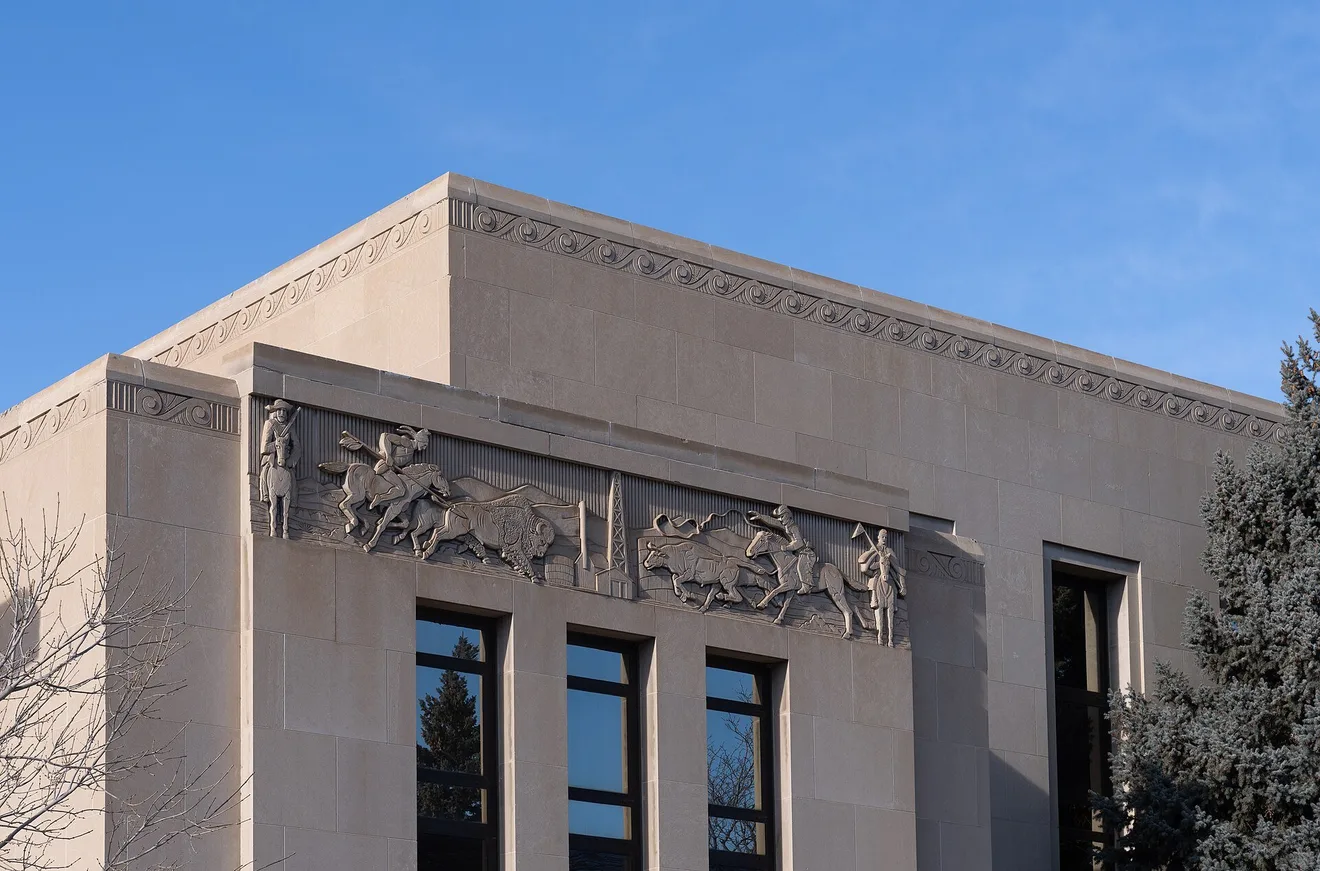
Photo: Natrona County and City of Casper Building - Wyoming by Tony Webster, CC BY 2.0, via Wikimedia Commons
